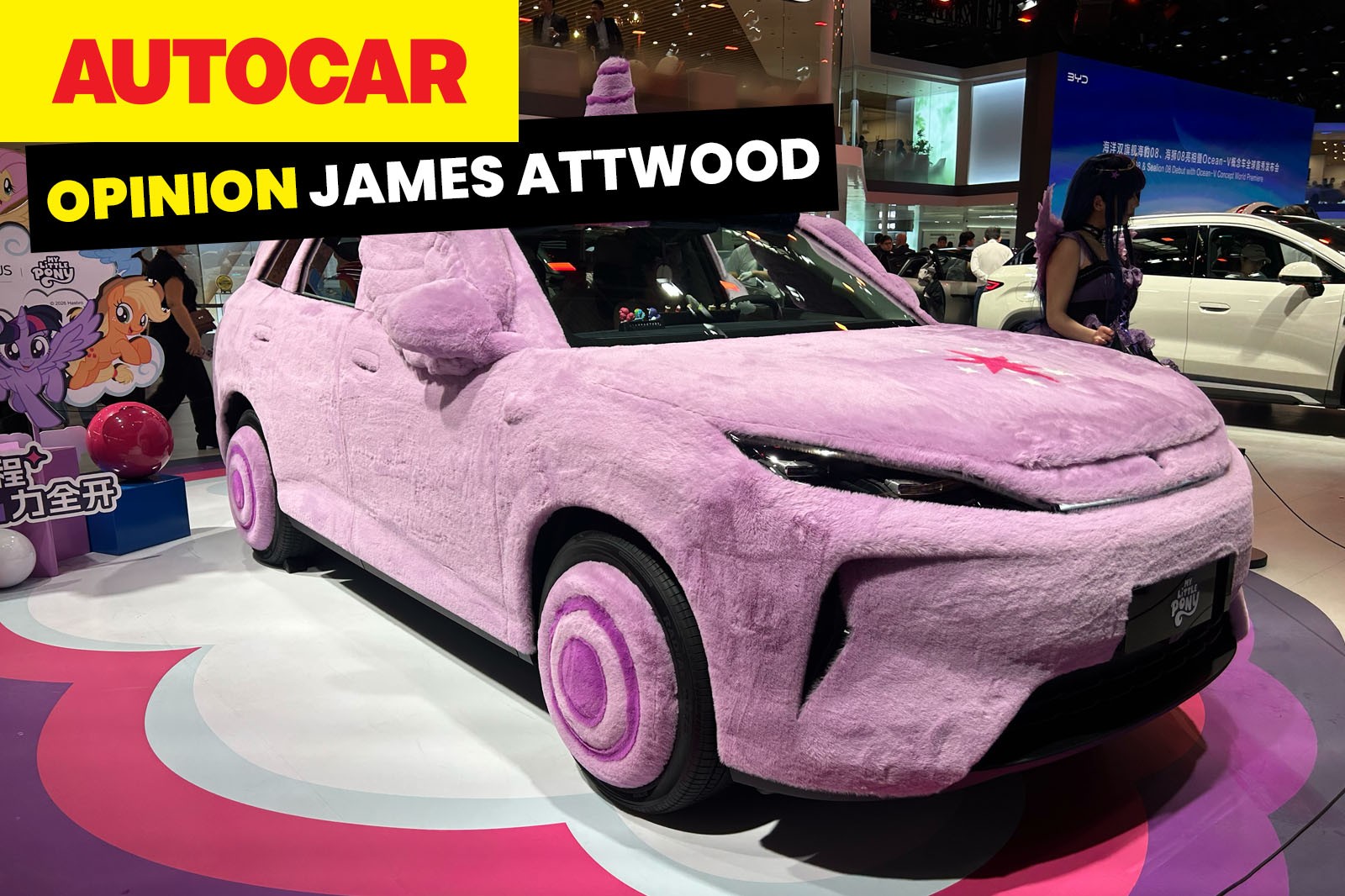
The Beijing Auto Show (Auto China) has officially entered a new era of scale. Spanning 17 exhibition halls across a massive 1.2km stretch, the event featured nearly 1,500 vehicles, including 181 new models and 71 concept cars.
The sheer physical size of the event reflects a larger shift in the automotive landscape: the center of gravity for global automotive innovation and competition has moved decisively toward China.
Зміст
A Show Built on Growth
The scale of this year’s exhibition is a direct result of rapid infrastructure expansion. To accommodate the growing industry, a brand-new convention center was constructed adjacent to the existing China International Exhibition Centre. This expansion allowed the show to grow into a sprawling, neon-lit landscape that dwarfs previous iterations.
This physical expansion mirrors the growth of the industry itself. Where once the Beijing show might have been a secondary event to the legendary Frankfurt Motor Show, it has now surpassed even the most massive European exhibitions in both presence and sheer volume.
The Rise of the Chinese Powerhouse
The most striking takeaway from the show is not just the number of cars, but the nature of the companies presenting them. Chinese manufacturers have moved past the stage of merely imitating Western automotive giants. Instead, they are now setting the pace through:
- Aggressive Global Expansion: Chinese firms are actively targeting international markets, specifically focusing on regions with fewer tariff barriers, such as the UK.
- Technological Independence: Rather than relying on external suppliers, many Chinese firms are bringing critical components in-house.
- Vertical Integration: This is the “secret sauce” of the industry’s rapid growth. For example, Leapmotor reports that it produces 65% of the parts used in its vehicles.
By controlling the production of batteries, motors, semiconductors, and AI systems, these companies can achieve “China speed”—a development cycle where new models are brought from concept to market in under two years. This level of integration makes them incredibly agile and cost-efficient compared to traditional manufacturers.
A New Era of Global Competition
The Beijing motor show has become a battlefield of competing philosophies. On one side, homegrown Chinese firms are leveraging their integrated supply chains to dominate the electric vehicle (EV) sector. On the other, established global rivals—who were once the undisputed leaders—are now fighting aggressively to reclaim their footing and prevent being overshadowed.
The automotive industry is no longer just about building cars; it is about the mastery of the entire technological ecosystem, from semiconductors to software.
Conclusion
The Beijing Auto Show serves as a massive, high-tech preview of the future of mobility. It highlights a shift where vertical integration and rapid development cycles are the new benchmarks for success, setting the stage for an intense era of global competition between established giants and rising Chinese innovators.