


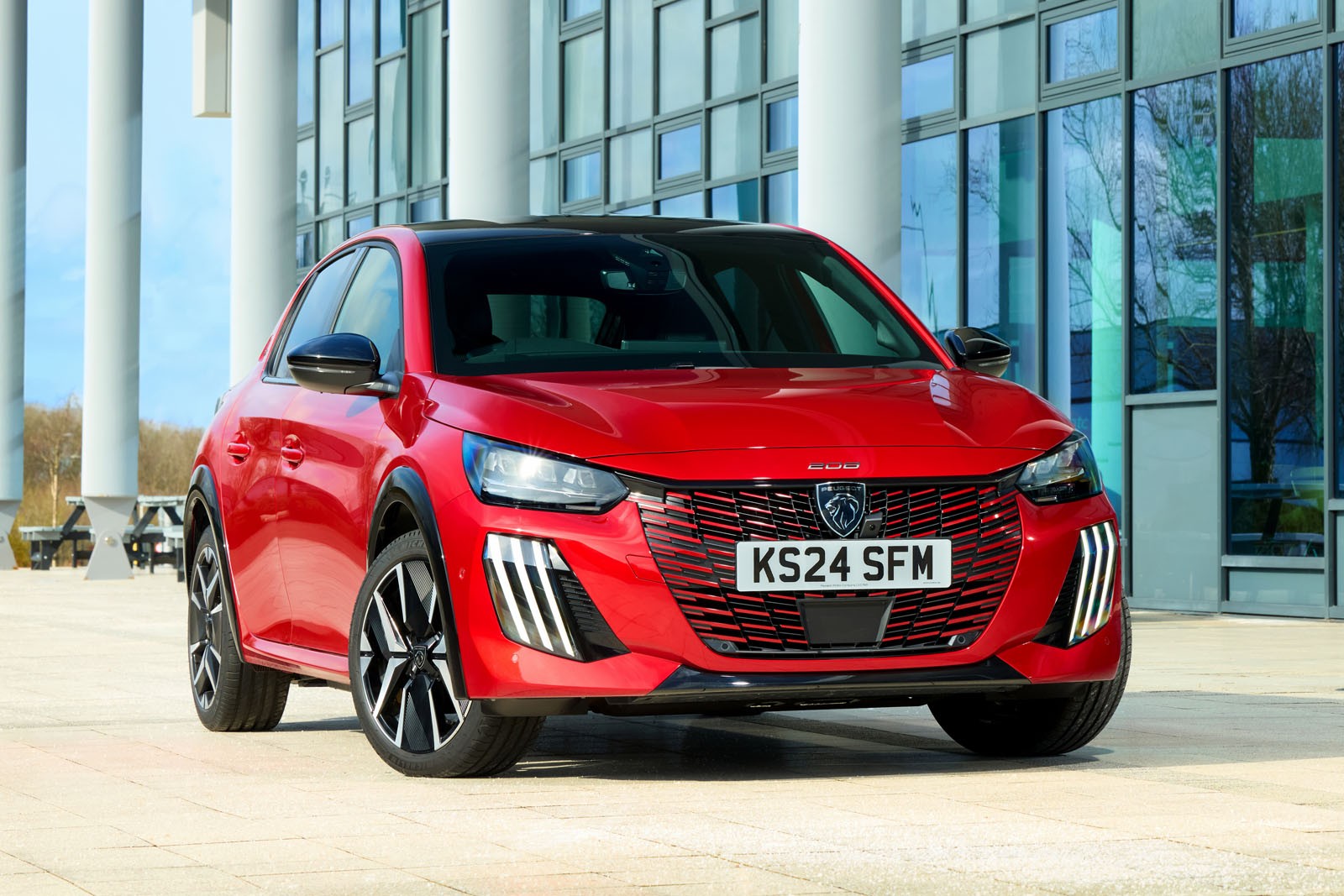
Peugeot isn’t killing the petrol 208 yet. In fact, they plan to keep it in showrooms long past 2030. This isn’t a temporary stopgap. CEO Alain Favey confirmed that the internal combustion engine (ICE) version will live alongside the new electric e-207. They aren’t swapping one out for the other. They are keeping both.
“We will continue to offer the 207 in its current form to cover the market that will still not be electric,” Favey told reporters. The logic is simple: some buyers simply aren’t ready to switch. They need ICE or hybrid solutions. Peugeot will keep those options as long as people buy them.
Зміст
Why the petrol 208 remains on sale
The current model uses two mild-hybrid petrol engines. There’s also a new pure-petrol 1.2-liter turbo-triple, the 100-horsepower unit. It just hit the options list.
Favey admits demand won’t be massive. He doesn’t expect the petrol crowd to grow. BEV demand? That is exploding. Peugeot expects that growth to continue for years. That is where the company’s focus lies. The new e-208 launch is the most important event in their B-segment portfolio.
Yet they still need to sell gas cars. The petrol 208 serves the remaining supermini buyers who aren’t electric-ready.
Will the petrol 208 change?
Under the metal, the current car is largely unchanged. But don’t expect it to look old. Peugeot plans extensive updates. New styling cues. Fresh interior touches. It needs to look like its electric sibling.
The current model is already seven years old. Keeping it fresh visually is key. Otherwise, it looks dated next to the e-208. Buyers care about aesthetics. Even if the drivetrain is familiar.
How the 2028+ 208 competes in a shrinking niche
Most rivals are going full electric by 2030. Peugeot is playing a different game. They are betting on the “not yet” crowd. Who are they? Rural drivers? Cost-sensitive buyers? Those without home charging? The CEO doesn’t say. He just says “demand exists.”
But here is the thing: that demand is shrinking. Favey calls it “not very strong.” So why fight a losing battle? Brand consistency? Market share retention? Or just to keep cash flow alive while EV ramp-up happens?
The answer lies in the showroom. You’ll see both cars side by side. The petrol 208 sits next to the e-207. One charges. One refuels. Both drive away.
Which engine should you choose now?
If you buy today, you have choices. The mild-hybrid 1.2-liter is


