


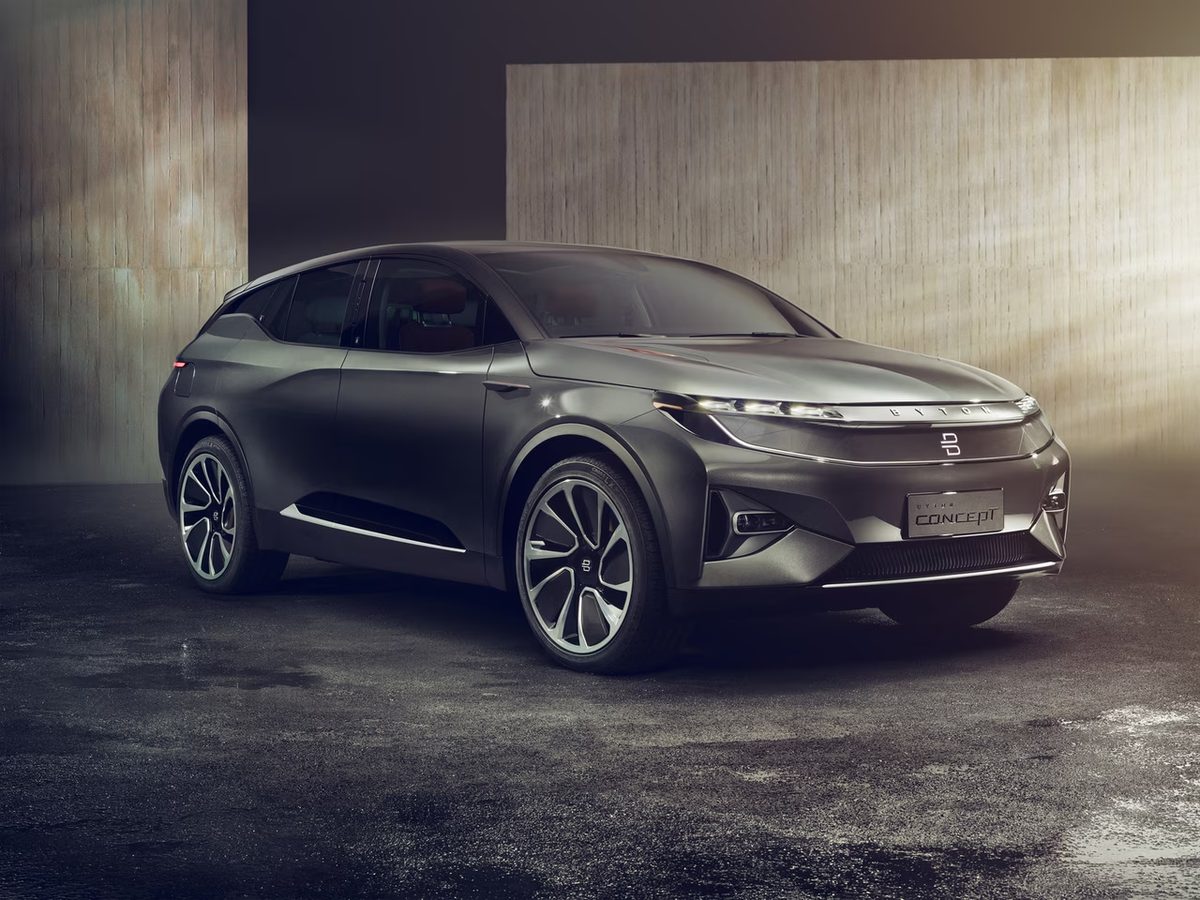
It looks like a production vehicle, but it’s technically a concept. That’s the vibe coming out of CES 2018 from Chinese startup Byton. They unveiled an electric SUV that feels road-ready, with plans to hit European showrooms in 2020 at a starting price of roughly $45,000 (about €37,500). For that money, you aren’t just buying metal and rubber. You’re buying a rolling server.
The headline spec is Byton M-Byte autonomy. Level 3 self-driving capability is standard at launch. Byton claims a software update will push this to Level 4 later in 2020. But the hardware is already there. Three cameras mounted on the B-pillars handle facial recognition. You walk up, the car sees you, unlocks the doors, and adjusts the seat and mirrors to your profile before you even touch the handle. It’s personalized. It’s immediate.
The Dashboard That Defines Cabin Tech
Step inside and the first thing that hits you is the screen. It spans 1.25 meters across the dashboard. It’s massive. It’s not just a infotainment system; it’s the interface for everything. You’ve got individual displays embedded in the steering wheel for critical driving data and screens on the back of the front seats for rear passengers. The whole cabin runs on 5G connectivity. That means low-latency streaming and real-time data for everyone on board.
Voice control is handled by Amazon’s Alexa. You can ask for directions. You can add items to your grocery list. The car listens. It responds. It integrates seamlessly with your digital life, turning the vehicle into an extension of your smartphone.
Battery Performance and Range Realities
Byton is offering two battery packs for the M-Byte. You can choose between a 71 kWh unit or a larger 95 kWh option. The smaller pack promises 400 kilometers of range. The big one stretches to 500 kilometers. Both support fast charging. The spec sheet says you can replenish 80% of the battery capacity in just 30 minutes. That’s competitive. It’s fast enough to make road trips viable without planning every hour around a charger outlet.
The Chinese Contender
Why should you care about a startup with a concept car? Because Byton isn’t starting from zero. They’ve raised $200 million (€160 million). More importantly, they’ve poached talent. Engineers have left Apple, BMW, Google, and Tesla to join Byton. They have the industrial backing of Chinese manufacturers who are positioning themselves for dominance in the EV space.
If they deliver on these promises, the Byton M-Byte becomes a serious threat. It targets Tesla directly. It challenges the established European luxury brands. The specs are aggressive. The price is aggressive. The question is whether execution matches the hype. The industry is watching.


