


Forget buying. Forget leasing. The luxury car hierarchy is shifting under your feet, and it’s happening through a smartphone screen.
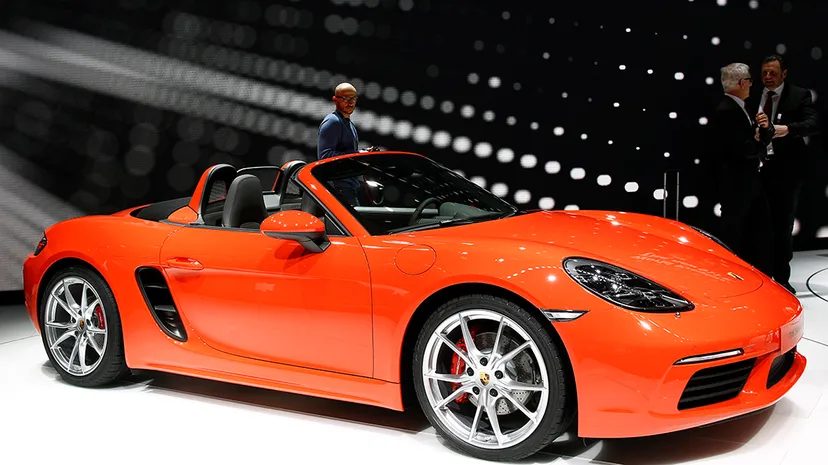
Porsche is launching a pilot program in November 2017 called Porsche Passport. It’s a subscription-based mobile app that delivers high-performance vehicles directly to your driveway. This isn’t a test drive. This is ownership-lite, minus the depreciation headache and the dealer negotiation dance.
The initial rollout is tightly focused: Atlanta.
For $2,000 a month, subscribers gain access to eight specific Porsche models. That’s it. Eight choices. But if you’re willing to drop $3,000 a month, the lock gets thrown open. You get on-demand access to 22 different model variants. The cars can be supplied anywhere in metropolitan Atlanta. No GPS tracking limits. No “go here” restrictions.
“There is actually a target group out there, who’s not so much interested in owning a car, but using a car,” said Klaus Zellmer, president and CEO of Porsche North America.
Zellmer identifies a specific demographic. They don’t want the permanence of ownership. They want flexibility. They want to swap their daily driver for a weekend cruiser without the bureaucratic friction.
The terms are aggressively simple.
Porsche Passport includes unlimited mileage. This is the killer feature for enthusiasts who love to drive but hate the cost per mile on traditional leases. You don’t need to track every trip. You just drive.
Other costs are bundled into the monthly fee. Tax. Registration. Insurance. Roadside assistance. Maintenance. Detailing. The car is kept pristine. The paperwork is handled. All you need to do is download the app, pass a background check, pay a $500 set-up fee, and commit to the monthly rate.
It’s a direct response to changing societal trends. The prestige of holding a title to a depreciating asset is losing appeal to a younger, more transient cohort. They want the badge. They want the drive. They don’t want the liability.
Porsche is monitoring the data closely. If the program cannibalizes traditional sales, it will be discontinued. It’s a controlled experiment in a controlled market.
But Porsche isn’t alone in this pivot.
Cadillac launched its own app-based subscription service in 2017. It targets the New York metropolitan area. The entry price is $1,500 a month. Less than Porsche’s base tier. More accessible.
Then there’s Revolve.
Revolve doesn’t care about brand loyalty. It’s a multi-brand subscription service costing $2,000 a month. The fleet includes Jaguar, Tesla, BMW, Mercedes-Benz, Audi, Land Rover, Cadillac, Maserati, and Porsche.
The catch? It’s a longer commitment. You’re locking in for one to four months. And the geography is even tighter. Revolve currently serves only the South Florida area.
This isn’t just about cars. It’s about the subscription economy bleeding into heavy goods. There are over 2,000 different “subscription box” services in the U.S. alone. You can subscribe to razors. Dog treats. Clothing. Why not a 911?
The model works because it removes the friction of decision fatigue. You don’t buy a car for the next five years. You subscribe to a driving experience for a month. You change it when you get bored. You upgrade when you want something faster.
Is this the end of ownership? Probably not. But it’s a significant crack in the foundation of the dealership model.
Atlanta drivers should look for the app in November. New Yorkers have had their option since earlier in the year. Floridians have a multi-brand choice if they’re willing to commit for a quarter.
The question is no longer which car you want. It’s which car you want this month.


