


Volkswagen isn’t wasting any time.
Just as the first batch of ID.3 electric vehicles hit dealer lots, the company is already pushing the next chapter of its all-electric lineup. The ID.4 is officially here. We’ve discussed this SUV before, but now the details are locked in. Specs. Pricing. Release window.
It arrives in showrooms next spring.
Зміст
Compact SUV Design and Practicality
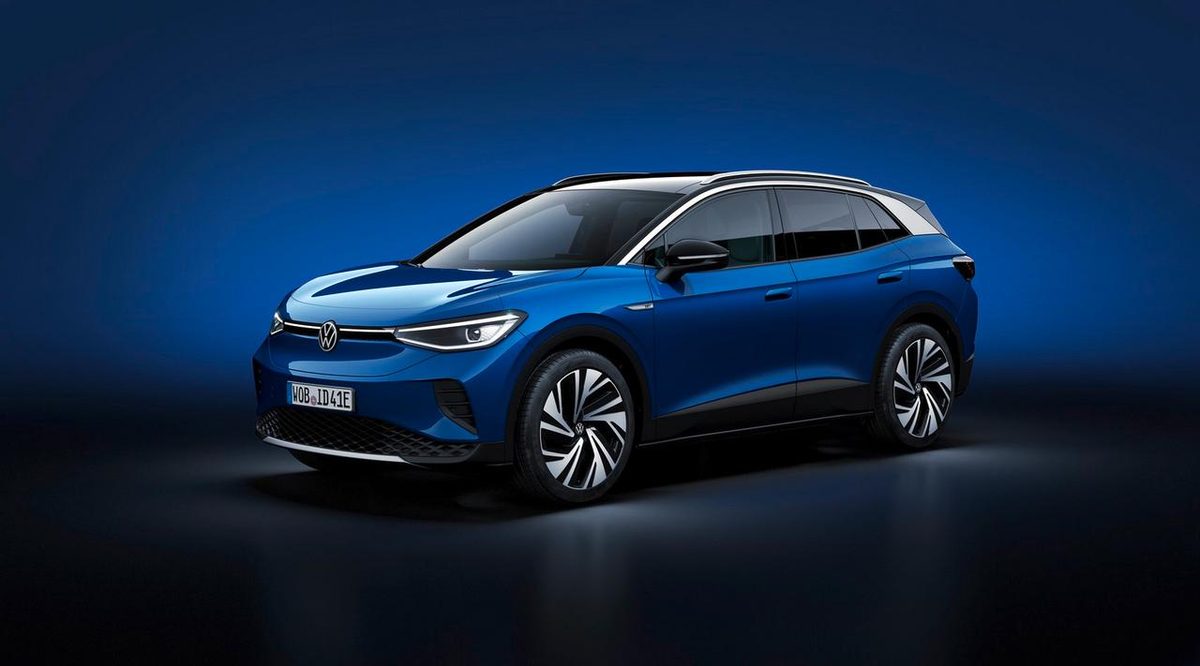
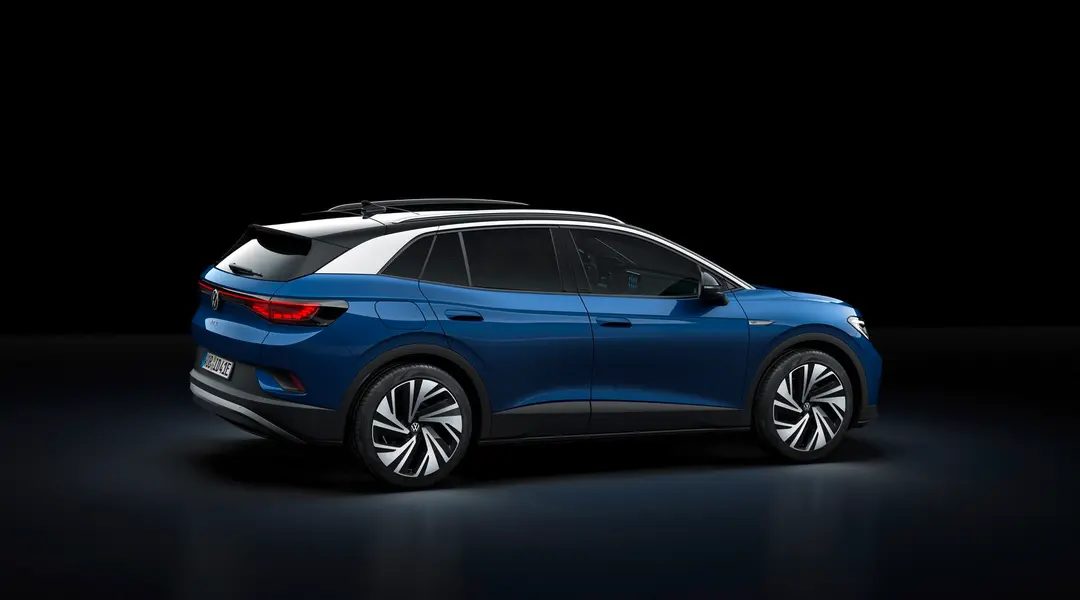
The styling is aggressive. Look at that hood. It dips sharply toward the headlights. The roofline sits low. It looks athletic. You’ve seen it before, but seeing it in metal makes the sportiness real.
Here is the hard data on size.
The ID.4 measures 4.58 meters long. It is 1.85 meters wide. The height is 1.61 meters. The wheelbase stretches to 2.77 meters.
Those numbers matter. They signal a roomy cabin.
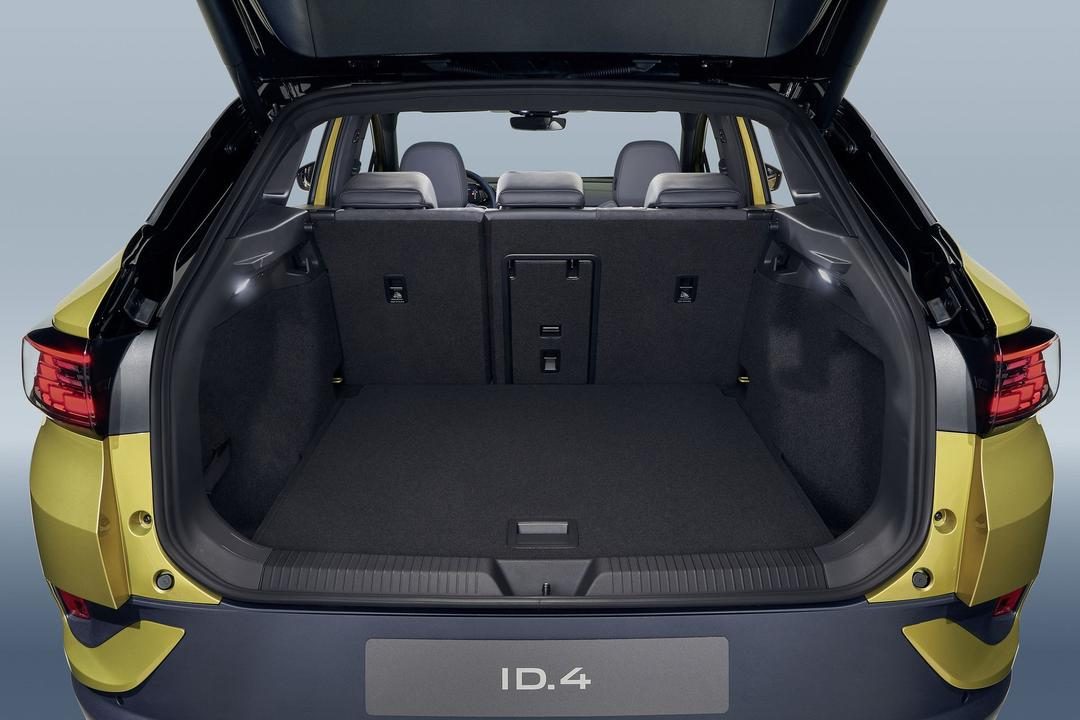
Storage is where this crossover shines. The trunk offers 543 liters of cargo space. Fold the rear seats down, and you unlock 1,575 liters. That is serious utility for a compact electric SUV.
Why This Matters Now
The ID.3 proved the concept. The ID.4 scales it up.
Volkswagen knows buyers want SUVs. They also demand range and practicality. This model bridges that gap.
Pricing details are locked in alongside the specs. No vague estimates. Just concrete numbers for the market.
Who needs a massive EV wagon when you can have this?
The ID.4 targets the heart of the mainstream EV market. It is not a niche product. It is for everyone who wants electric without compromise.
Spring is coming. Get ready.

The MEB Platform Foundation
The ID.4 isn’t built from scratch. It rides on Volkswagen’s MEB platform, a modular electric backbone shared across the group’s fleet. Think Skoda Enyaq iV, Audi Q4 e-tron, Cupra Born. They all speak the same language. It’s a proven architecture. The ID.3 used it first. Now the SUV version follows.
Launch Editions: 1st and 1st Max
Volkswagen isn’t dipping its toe in the water. It’s jumping in with a bang. The ID.4 launches with special “1st” edition trims. Two flavors exist here. The standard 1st. The 1st Max. Both share the same heart.
Under the rear axle sits a 150 kW permanent magnet synchronous motor. That translates to 204 horsepower. Torque output is solid at 310 Nm. It’s rear-wheel drive only. For now.
Performance figures are respectable. Not blistering. Volkswagen claims 0-100 km/h in 8.3 seconds. Top speed? Electronically limited to 160 km/h. That’s enough for highway cruising. Not for drag strips.
125 kW Fast Charging
Charging speed matters. The ID.4 supports DC fast charging up to 125 kW. You can add up to 290 km of range in about 30 minutes at a compatible station. That’s not the fastest in class. Tesla Model Y can ingest more power. But 125 kW is practical. It works with most public networks.

Range and Charging: Beating the Skoda Enyaq
The 77 kWh battery isn’t just a number on a spec sheet. It delivers a real-world range that tops out at 520 km. That is ten kilometers further than the Skoda Enyaq iV. Volkswagen is betting on efficiency here. The strategy works until you hit the wall of physics.
Charging speeds matter more than most buyers realize. The VW ID.4 accepts up to 125 kW at rapid chargers. The math is simple. You can restore 320 km of range in just 30 minutes. That is fast enough for a coffee and a stretch. It keeps the anxiety at bay on long trips.
Interior Tech and Pricing Strategy
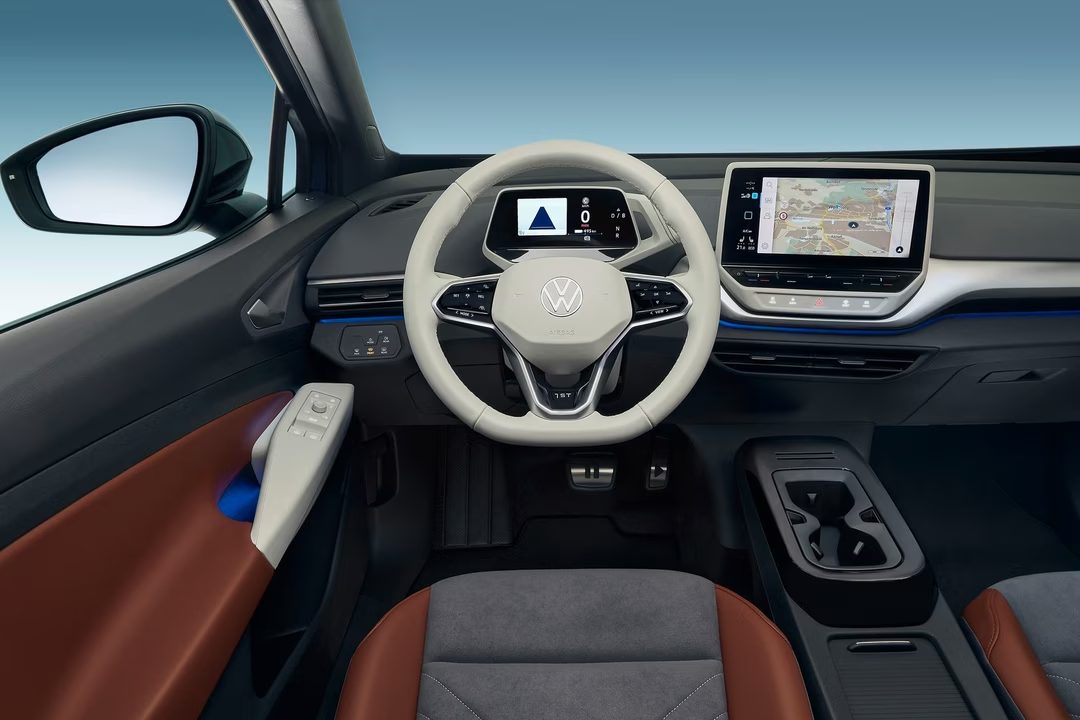
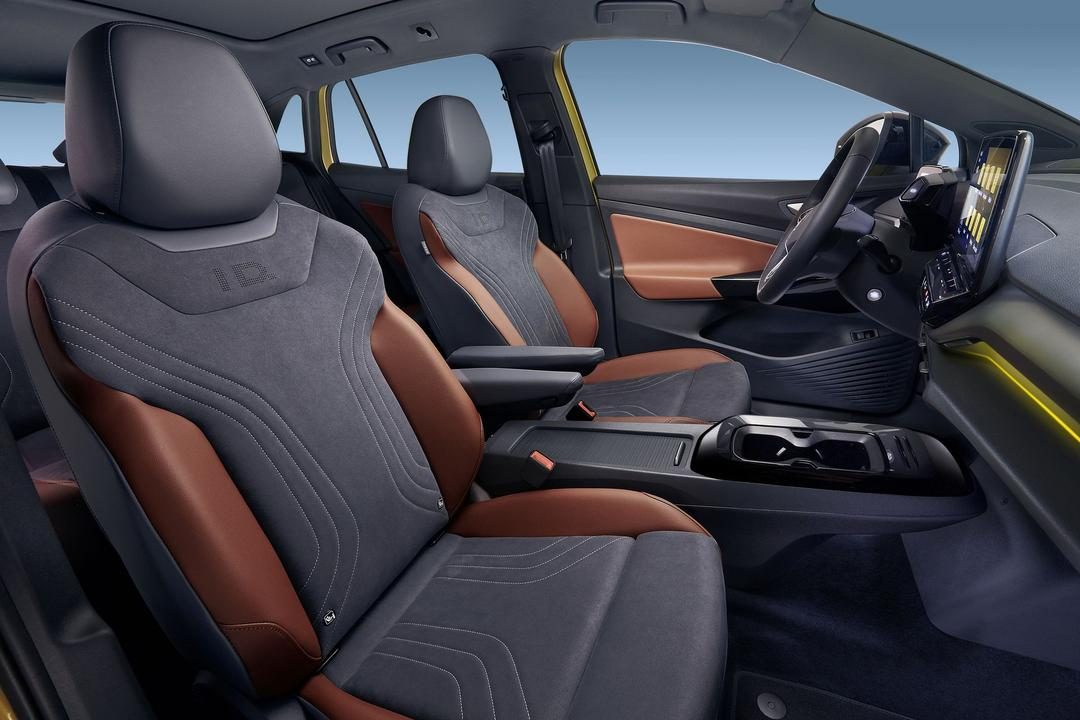
Step inside and the layout feels familiar. It mirrors the ID.3 closely. The center console houses the infotainment system. You get a choice between a 10-inch touchscreen in the ID.4 1st or a larger 12-inch display in the ID.4 1st Max.
The head-up display remains a standout feature. If you were impressed by it in the smaller ID.3, it carries over unchanged. It projects speed and navigation data right into your line of sight. You don’t have to look down to check your speed. That reduces distraction significantly.
French Pricing and Global Trims
Volkswagen has not announced French prices yet. They are waiting. In Germany, the numbers are clearer. The entry-level ID.4 1st starts at €49,950. The top-tier ID.4 1st Max costs €59,950. These are base prices. Options will push them higher.
But the German launch is just the beginning. More variants are coming. Here is how the lineup breaks down globally:
- ID.4 Pure: Entry-level motor. 109 kW output. 52 kWh battery.
- ID.4 Pure Performance: Slightly stronger. 125 kW output.
- ID.4 Pro: Mid-range option. 128 kW output.
- ID.4 Pro Performance: Peak output. 150 kW.
The high-end models will offer all-wheel drive. That is a smart move for winter buyers. It adds grip without complicating the base model too much. The spectrum covers everyone from budget seekers to performance hunters.
Why These Specs Matter Now
The 125 kW charging limit is specific. It isn’t the 170 kW found in some competitors. It’s enough. Most public chargers cap out around 150 kW anyway. The difference is negligible in daily use.
The 520 km range beats the Skoda by a small margin. But that margin adds up. It means fewer stops on highway journeys. It means less planning around charger availability.
Who is this for? The ID.4 sits in a crowded segment. The Skoda Enyaq is its main rival. The ID.4 trades some cabin space for better tech integration. The head-up display tips the scale. It feels more premium.
Prices in France will likely follow the German trend. Expect similar positioning. The Pure model might be too basic for some. The Pro variants offer better value. They balance power and range effectively.
The EV Battery Reality Check
The numbers don’t lie. Or at least, they don’t lie about chemistry.
We’ve been sold a dream of infinite range. A world where plugging in once a week replaces gas station visits entirely. But the physics of lithium-ion is stubborn. It fights back.
Take the Tesla Model 3 Long Range. It claims 340 miles on the EPA cycle. That’s real. It’s also deceptive if you drive fast.
Highway speeds kill EV efficiency. Aerodynamic drag scales with the square of velocity. Go 80 mph and you’re burning through that 340-mile tank in half the time. Suddenly, that “weekend road trip” becomes a planning exercise. You’re calculating charging stops like you’re playing Tetris with time.
The Charging Gap
This is where the infrastructure story falls apart for many buyers.
Level 2 charging at home is fine. It’s slow. 8 to 10 hours for a full charge. It works for daily commutes. It doesn’t work for spontaneity.
DC Fast Charging is the only real solution for long-distance travel. But even there, the gaps are visible.
Look at the Ford Mustang Mach-E. It supports up to 150 kW charging. In theory, you can add 80 miles of range in about 10 minutes. In practice? You wait longer. The battery heats up. The charger throttles power to protect the cells. You’re not getting that peak speed for the whole session. Just the first 20 percent.
Then there’s the Rivian R1T. It’s a truck. It’s heavy. It’s efficient for what it is, but towing changes everything.
Towing an EV is like dragging a boat on land. The drag coefficient matters. The weight matters. The Rivian loses roughly 40 to 50 percent of its range when pulling a load. If you’re hauling a trailer to a campsite, you’re looking at half your advertised range. Maybe less.
The Used Market Trap
Buying new feels safe. Buying used feels risky.
Here’s why.
EV batteries degrade. Not dramatically at first. But slowly.
A 2015 Nissan Leaf is a cautionary tale. Early Nissan batteries had poor thermal management. No liquid cooling. Just air. In hot climates, these batteries degrade fast.
You might find a 2015 Leaf with only 40,000 miles. The odometer looks low. But the battery health might be at 60 percent of original capacity. Range anxiety hits hard when your “daily driver” only has 60 miles left before hitting red.
Compare that to a 2022 Model 3. It has active liquid cooling. The battery management system is sophisticated. Degradation is minimal. Even after 50,000 miles, you’re likely seeing 95 percent of original capacity.
The gap between old and new EV tech isn’t just about features. It’s about longevity.
The Cold Weather Penalty
We talk about range. We rarely talk about temperature.
Lithium-ion batteries hate cold. Chemical reactions slow down. Internal resistance increases.
A Tesla Model Y might get 260


