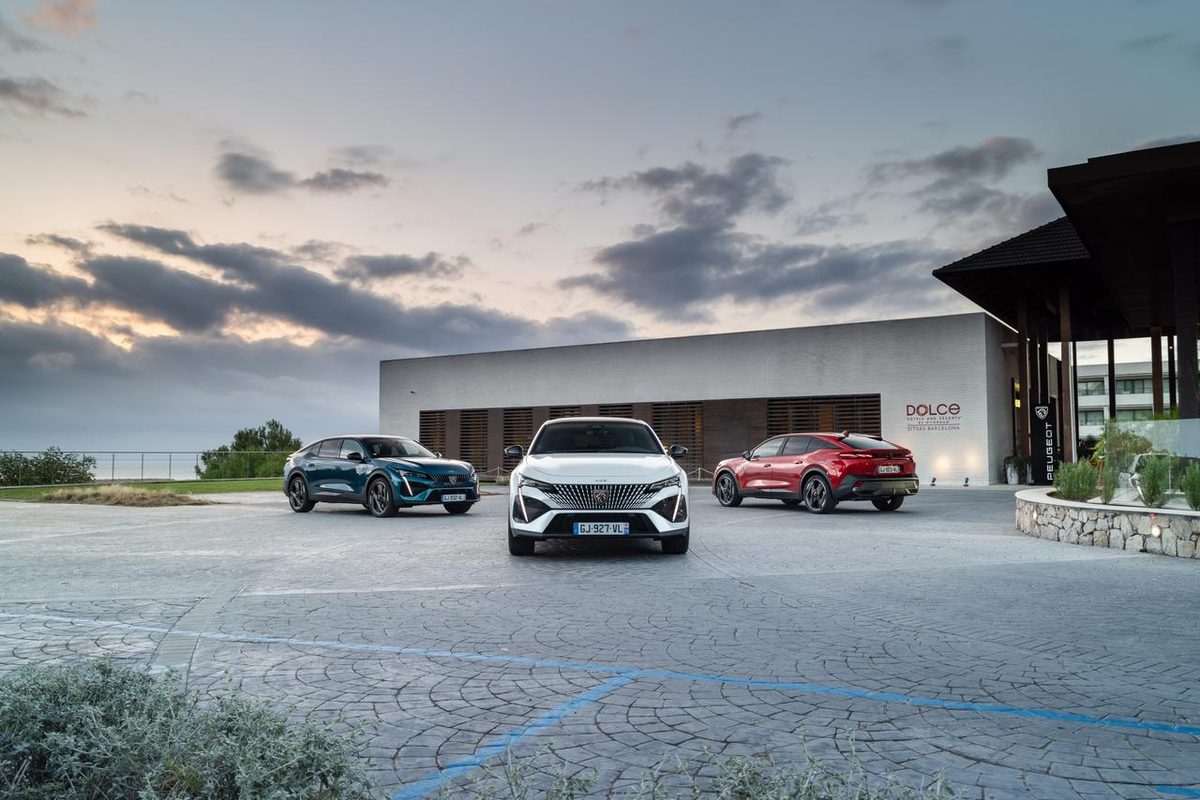
Peugeot’s new electric sedan is more than just a stretched version of the e-308. It’s a completely different beast. The Peugeot e-408 has a larger battery and a more powerful motor. This switch is important. It changes the way the car feels on the road. The range changes. Prices change.
This is where size comes into play. The e-408 is physically larger than its hatchback sibling. The extra space can accommodate a larger battery pack. The bigger the battery, the longer the range. This also means that the motor can be tuned for more power. The result is a vehicle that feels more substantial. More capable.
The increase in power is noticeable. The e-408 outpaces the latest e-308. This is no small adjustment. This is a performance improvement. Drivers who need more oomph will find it here. The same applies to those who prioritize space. The sedan body model improves aerodynamic performance. It increases presence.
Range is a key factor. The bigger the battery, the longer the distance between charges. How long? We’ll see. But the potential is there. This is supported by the strength of the motor. It helps pull that weight efficiently. At least that’s the goal.
Why is this important? The electric market is full. Peugeot needs a winner. That is the goal of the e-408. It is aimed at a market segment that values practicality and power. Competes with other electric sedans. The specs look good on paper. Real-world performance will tell the true story.
The e-408 isn’t just an upscaled e-308. This is a unique offering with greater power and range.
The design follows the look of the new Peugeot family. The lines are smooth. Sharp angles. The shape of the sedan lowers the center of gravity. Improves handling. At least that’s how it should be. Suspension tuning is important.
The interior space has increased. Better legroom. The trunk utilizes the shape of a sedan. This is not a large trunk. But it is usable. The battery is located under the floor, which keeps the cabin flat. This is a plus for comfort.
Charging capabilities is still a priority. A fast charging speed should match the power. If the battery is larger, the charging time may increase unless the rate scales up. Peugeot likely addressed this. It has to. Slow charging speed affects the range.
Price is also a variable. More power and batteries usually mean more cost. Where does it fit into the lineup? Higher than e-308. Cheaper than luxury brands. You have to hit that sweet spot. Features at an affordable price.
Safety features are also standard. Advanced driving aids. Automatic emergency braking. Lane Keeping Assist. These are table stakes. Peugeot integrates them into the digital interface. The design of the i-Cockpit remains the same. small steering wheel. high dashboard. Some people like it. Some people hate it. This is polarizing.
Real-world efficiency will be the test. How does the weight affect consumption? Does the aerodynamics compensate? It will become clear in later tests. So far, the specs show that this is a competitive product.
The e-408 represents Peugeot’s commitment to electric vehicles. It’s not a half-measure. This is a bold step. Bigger. Stronger. More refined.
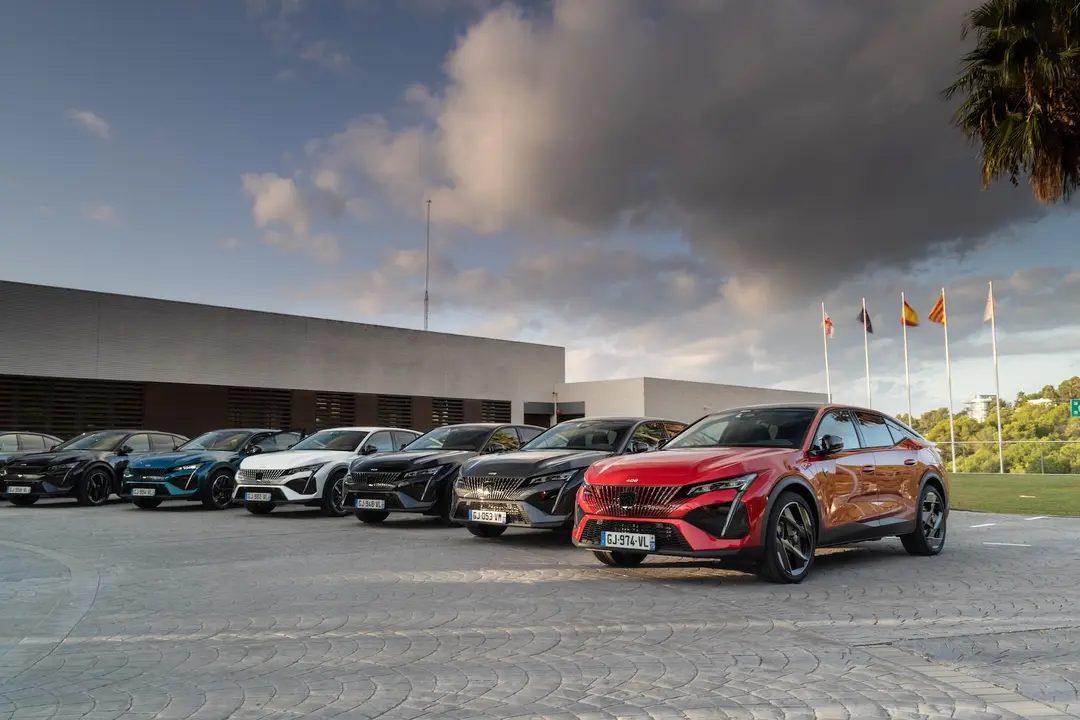
策略很明确。 标致正在与 408 划清界限。旧的混合动力装置已经消失。 取而代之的是一种新的、专注的电动车型,它优先考虑续航里程和功率,而不是插电式混合动力车的妥协。
Зміст
The Range Promise
Even if the power reaches the 200 horsepower limit, it is still a little weaker than the new e-3008. But the real story here is the distance. The target is simple: to exceed 450 km.
Check the context of existing models. Peugeot e-208 and e-308 use a 54 kWh battery. The range is 411 kilometers. That is solid. But the 408 is a bigger vehicle. It deserves more. Expectations change when the battery capacity is at least 60 kWh. e-408 should be better endurance.
Peugeot has yet to release official specifications. There are no confirmed numbers. Just the trajectory.
Phasing out of PHEVs
The current plug-in hybrid version will be retired. The 180- and 225-horsepower PHEV models will be retiring. They are making way for a new 195 horsepower electric version.
However, it isn’t a total abandonment of combustion. The mild 1.2-liter hybrid engine is remains. It produces 136 horsepower. It will be sold with the new electric option. But what about plug-in hybrids? It is history of this model.
Why this change matters
Why kill those strong hybrids? The answer lies in the size of the battery. The 60 kWh battery enables a jump of 450 kilometers. Older plug-in hybrids likely capped out due to packaging constraints. They are unable to hold enough juice needed for true long-distance viability.
The new electric version fills this gap. It offers the power of a plug-in hybrid, but with cleaner emissions and lower running costs. Mild hybrids are suitable for city dwellers and those who are not ready to go completely electric. But the focus is changing.
What to expect
Change is happening. The electric 408 will be launched as the flagship powertrain. Old hybrids are gradually being phased out. This is a realistic move. It simplifies the configuration. It focuses its resources on the battery-electric future.
Peugeot understands that the market is changing. Range anxiety is real. The 450 km target addresses that. This puts the 408 in competition with other compact SUVs and crossovers. Mild hybrids provide an entry point. Electric versions offer the future.
The details remain unclear. There is no official release date. Price not confirmed. But the direction was set. The hybrids are gone. The time of electricity has come.