For over a decade, Tesla has been the undisputed North Star of the electric vehicle (EV) industry. From pioneering high-performance electric cars to dominating the global market share, the company set the pace for technology, software, and manufacturing. However, Ford CEO Jim Farley suggests that the industry’s center of gravity is shifting.
In a recent appearance on the Rapid Response podcast, Farley signaled a major strategic pivot: Ford is no longer looking to Tesla as its primary benchmark. Instead, the American automaker is turning its eyes toward China—specifically toward giants like BYD and tech-driven entrants like Xiaomi.
Зміст
The Stagnation of a Leader
Farley’s comments highlight a growing concern within the automotive sector: the perceived lack of fresh product from Tesla. While Tesla remains a powerhouse, its lineup has struggled to evolve at the pace of its competitors.
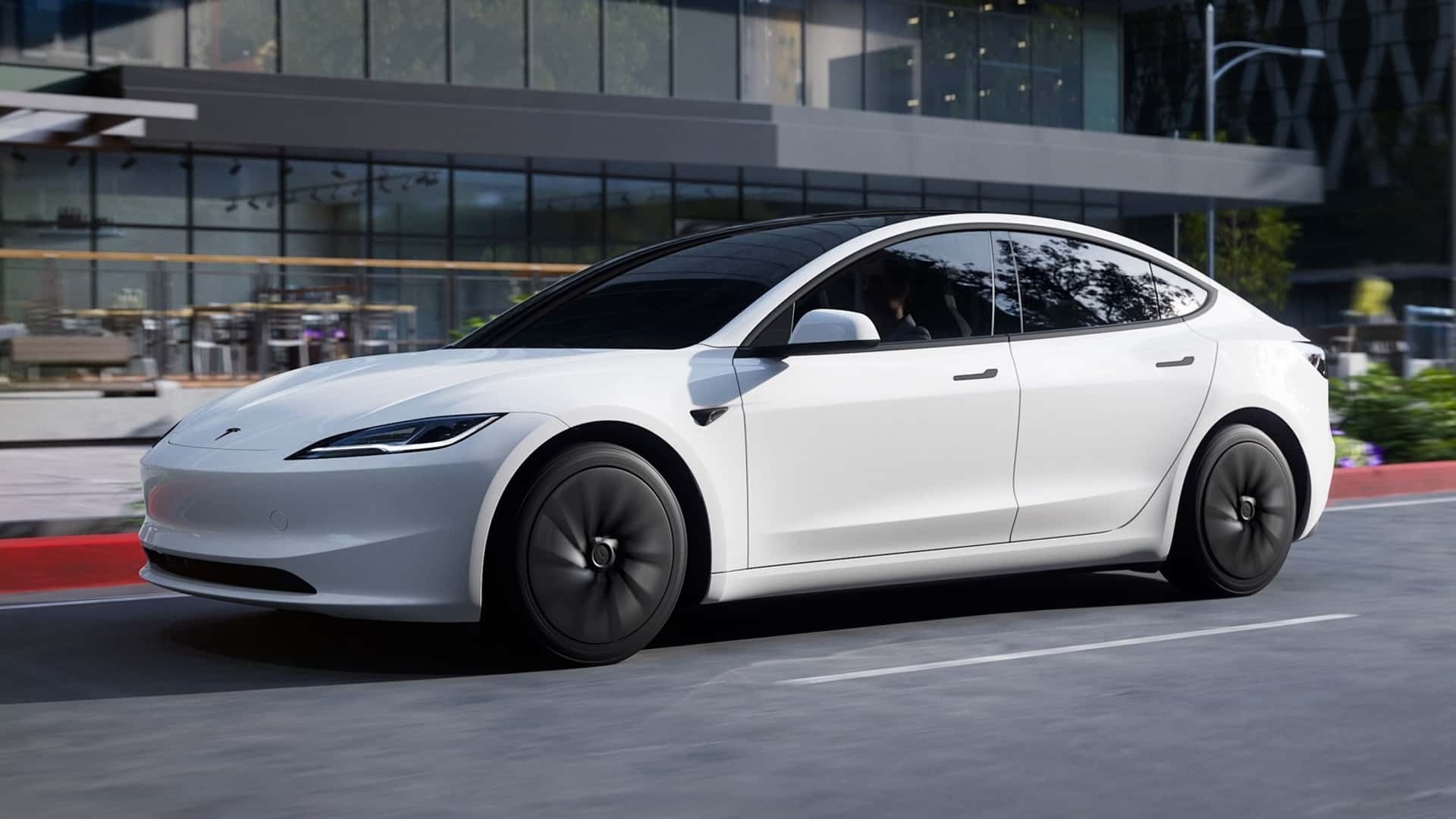
- Product Lifecycle: Tesla’s best-selling Model Y has seen only incremental updates since its 2020 launch.
- Missing Segments: Despite long-standing rumors of a more affordable, mass-market EV, Tesla has yet to deliver a vehicle that can compete in the lower price brackets.
- The Cybertruck Factor: While the Cybertruck was a highly anticipated release, its rollout has been met with various logistical and design complexities rather than being viewed as a seamless expansion of the brand.
This stagnation creates a vacuum. In the fast-moving EV market, a lack of new models often means losing momentum to competitors who are iterating more rapidly.
The Rise of the Chinese Benchmark
If Tesla is no longer the sole standard, what is? According to Farley, the answer lies in China. The Chinese automotive industry has moved from being a follower to a global trendsetter, particularly in terms of cost efficiency, supply chain integration, and manufacturing speed.
The BYD Standard
Farley identified BYD as the “best in the business” for Ford to study. BYD has not only overtaken Volkswagen to become the best-selling automaker in China but has also mastered a vertically integrated supply chain. This allows them to produce high-quality EVs at price points that Western manufacturers struggle to match.
The Tech Integration
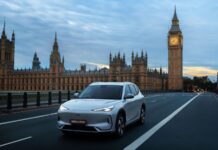
Beyond traditional manufacturers, Farley has also expressed interest in how tech companies are entering the fray. His recent testing of the Xiaomi SU7 suggests that the “benchmark” for an EV is no longer just about the battery or the motor—it is about the seamless integration of software and lifestyle technology.
Why This Shift Matters
This change in perspective reflects a broader transformation in the global auto industry. The battle for EV supremacy is no longer just a fight between legacy automakers and Tesla; it is a global race against Chinese manufacturers who are leveraging massive scale and rapid innovation.
For American companies like Ford, the challenge is twofold: they must find ways to match the manufacturing efficiency of BYD while simultaneously matching the technological sophistication of companies like Xiaomi, all while navigating a complex geopolitical landscape that limits the direct availability of Chinese vehicles in the U.S. market.
“If you’re an American and you want us to beat the Chinese in the car business, you’ll want to pay attention, not necessarily to Tesla.” — Jim Farley, Ford CEO
Conclusion
The era of Tesla as the sole innovator in the EV space is evolving into a much more crowded and competitive landscape. By shifting its focus toward Chinese manufacturing and tech standards, Ford is acknowledging that the future of the electric transition will be defined by cost-efficiency and rapid software iteration.