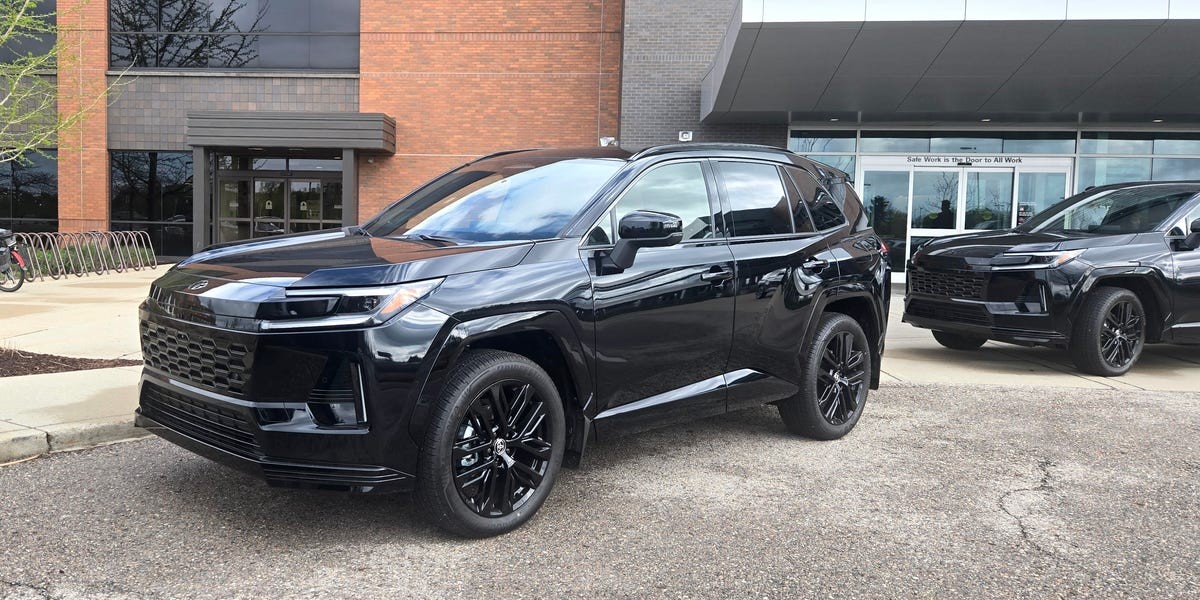
The sixth generation of the Toyota RAV4 has arrived, and it is clear that Toyota is doubling down on technology. As the brand’s most critical commercial asset, the RAV4 is undergoing a significant transformation that moves it away from purely mechanical updates and toward a more digital, software-driven experience.
This shift is particularly notable because the new generation has transitioned to an all-hybrid lineup, signaling Toyota’s commitment to electrification while focusing heavily on the “smart” features that modern drivers expect.
A More Intuitive Digital Cockpit
The most immediate change for drivers is the overhauled infotainment system. Toyota has moved toward a more customizable, smartphone-like interface that prioritizes ease of use.
- Display Options: Every model now features a standard 10.5-inch touchscreen, with higher trims (Limited, XSE, and GR Sport) upgrading to a massive 12.9-inch display.
- Customization: Much like a smartphone home screen, users can rearrange “widget tiles” to suit their preferences.
- Seamless Connectivity: Wireless Apple CarPlay and Android Auto remain central, and the system now includes a dedicated Spotify app.
- User Experience: While Toyota has removed the tuning knob found in previous models, they have retained the physical volume knob in a highly accessible location—a nod to driver ergonomics.
The system also features enhanced connectivity via AT&T 5G and a more capable voice assistant. This assistant can handle complex requests, such as finding nearby coffee shops or restaurants, and provides real-time updates on weather and traffic.
Note: While many features are seamless, users should be aware that live services require a subscription. After an initial one-year trial, connectivity services will require a monthly fee starting at approximately $15.
Advanced Intelligence: Toyota Safety Sense 4.0
Toyota is using the RAV4 as a launchpad for its latest driver-assistance suite, Toyota Safety Sense 4.0. This update isn’t just about adding new features; it’s about making existing ones smarter and more responsive to real-world variables.
Enhanced Safety and Automation
The new suite introduces several high-tech capabilities designed to reduce driver workload and increase safety:
– Improved Detection: The forward-collision warning system is now more sensitive, capable of detecting motorcycles and pedestrians with faster response times.
– Automated Lane Changes: When a driver activates a turn signal, the lane-keep assist can now execute a lane change on its own.
– Adaptive Cruise Control: In “Eco” drive mode, the system is now intelligent enough to analyze “drafting opportunities,” optimizing fuel efficiency through smoother speed adjustments.
– Integrated Dash Cam: Every RAV4 now comes equipped with a built-in dash cam that uses the vehicle’s existing exterior cameras to record footage, which can be viewed on the main screen or exported via USB.
Why This Matters
The move toward a more sophisticated, software-heavy interior reflects a broader trend in the automotive industry: the car is becoming a mobile device. As competitors push toward more autonomous and connected features, Toyota is ensuring its flagship SUV remains relevant by prioritizing the digital interface and semi-autonomous driving aids.
By integrating navigation directly into the 12.3-inch digital gauge cluster and streamlining the driver-assist menus via the touchscreen, Toyota is attempting to reduce “menu fatigue,” making it easier for drivers to interact with complex systems without taking their eyes off the road for too long.
Conclusion
The 2026 Toyota RAV4 represents a major pivot toward a digital-first experience, combining an all-hybrid powertrain with advanced driver assistance and a highly customizable infotainment system. This evolution ensures that America’s favorite SUV remains at the forefront of both efficiency and modern technology.