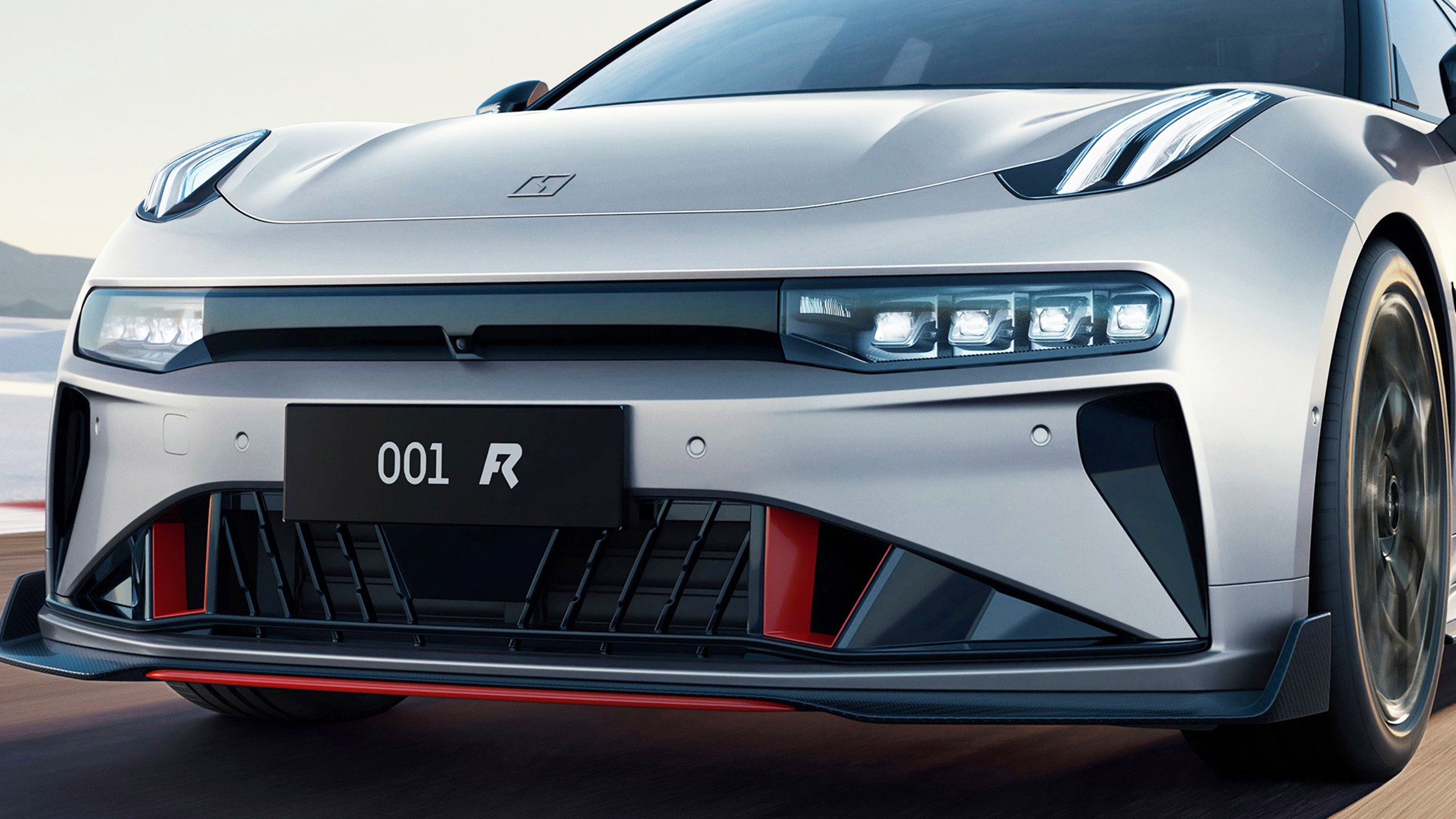
While Chinese automakers are currently barred from the American market, they are successfully executing a sophisticated “soft launch” through social media. By leveraging high-profile automotive influencers, these brands are cultivating massive, loyal audiences in the United States long before their vehicles ever hit a local dealership.
The Influencer Strategy: High Engagement, Zero Sales
A growing trend has emerged on platforms like TikTok and YouTube: American content creators reviewing cutting-edge Chinese electric vehicles (EVs) that are, technically, illegal to own or insure in the U.S.
This isn’t happening by chance. It is a calculated move to build brand awareness and “hype” in a market that is currently closed to them. The impact of this strategy is measurable:
- Massive Exposure: Tech YouTuber Marques Brownlee’s review of the Xiaomi SU7 garnered 10 million views. This single video reportedly provided Xiaomi with approximately $1.2 million in unpaid brand exposure.
- Follower Surges: Following Brownlee’s coverage, Xiaomi saw a 20% jump in TikTok followers in early 2025, with nearly half of those new followers residing in the United States.
- Consumer Demand vs. Reality: The interest is so high that the China EV Marketplace reported over 1,000 price-quote requests from Americans following recent viral reviews. However, a significant portion of these potential customers appear unaware that these specific models cannot be legally titled or insured in the U.S.
The Middleman: The Rise of DCar
The engine behind this movement appears to be DCar (Beijing Dongchedi Technology Co.), a Chinese automotive content platform spun out of ByteDance—the parent company of TikTok.
Rather than having individual car manufacturers run expensive, direct marketing campaigns, DCar acts as a strategic intermediary. Their model involves:
- Funding Influencer Trips: DCar has been known to sponsor elaborate content creation trips. For example, they reportedly funded a trip to Alaska for YouTuber Rich Rebuilds, providing him with several electric models like the BYD Fangchengbao and Wuling Bingo.
- Direct Logistics: DCar manages the logistics of shipping these vehicles to the U.S. and paying influencers fees—sometimes equivalent to the cost of a budget EV—to ensure a steady stream of high-quality content.
- Maintaining “Objectivity”: To protect the credibility of the reviews, DCar claims to purchase or rent the vehicles themselves rather than taking money directly from the automakers. This allows the content to feel like authentic, third-party testing rather than a blatant commercial.
Why This Matters for the US Auto Industry
This phenomenon represents a fundamental shift in how global brands enter a market. Traditionally, a car company enters a country by building factories, establishing dealer networks, and navigating regulatory hurdles.
The Chinese strategy is different: they are winning the “mindshare” first.
By the time political or regulatory barriers are addressed, Chinese brands will not be entering a cold market; they will be entering a market filled with millions of Americans who already know their tech, admire their designs, and are actively seeking their products. This creates a “bottom-up” pressure that established American and foreign automakers may find difficult to counter.
Conclusion
Through strategic influencer partnerships, Chinese automotive brands are bypassing traditional trade barriers to build massive American demand. They are successfully cultivating a consumer base that is ready and waiting, regardless of current legal restrictions.