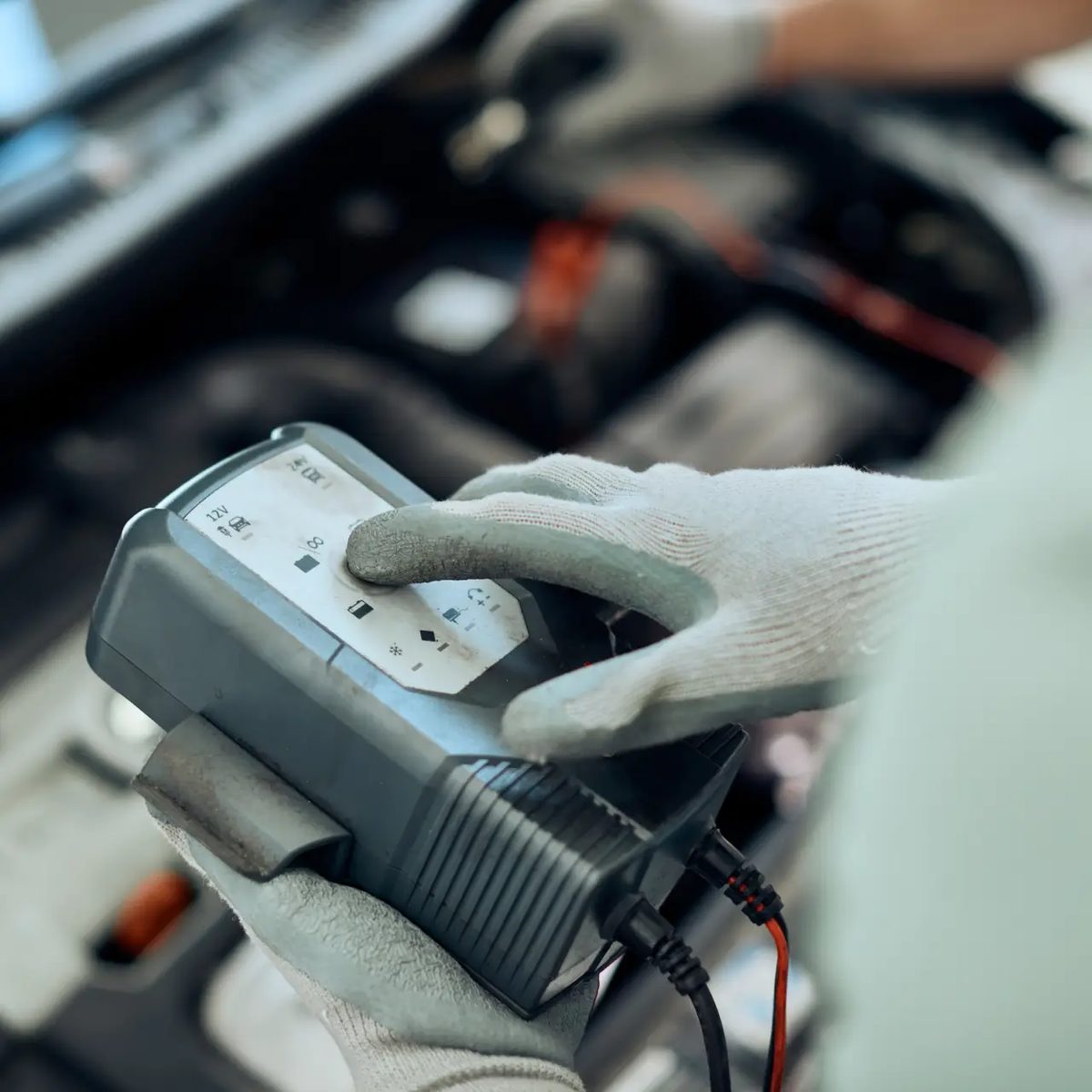
The electric car industry stands on the precipice of a new era. This is not a gentle transition. Leap.
The biggest obstacle to the widespread adoption of electric vehicles has been known for many years. Range anxiety. Charging times are long. Fear of being stranded. These are not minor inconveniences. They are a deal breaker for most buyers. Now, solid-state batteries offer a way out.
This technology isn’t just an iteration. This is a fundamental change in the way we store energy.
Зміст
Why solid-state changed the game
Current lithium-ion batteries use liquid electrolytes. Flammable. It gets worse over time. It limits the rate at which energy can be transferred in and out.
Solid-state batteries replace that liquid with a solid material.
The results are immediate and dramatic.
First, the energy density jumps. You get more range from the same amount of space. This means that the vehicle becomes lighter and is allowed to travel long distances without large batteries.
Second, safety improves. Since no liquid electrolyte is used, there is no risk of leakage or fire during thermal runaway. More stable in nature.
But the headline feature? Charging speed.
Myths and realities of 5-minute charging
Let’s talk about the elephant in the room. Can an electric car really be fully charged in 5 minutes?
Yes. Thanks to solid-state technology, a full charge in about 5 minutes is no longer science fiction. This is an achievable engineering goal.
Imagine driving to a gas station. Plug it in and drink coffee. Before I finish drinking, I’m leaving again.
This is not just for convenience. It’s about usability.
If charging takes as long as refueling, the biggest obstacle to the widespread adoption of electric cars will disappear. Suddenly, electric cars are no longer a compromise. This is a better product.
How It Works: A Simple Breakdown
Traditional batteries rely on lithium ions moving through a liquid. Think of it like mixing sugar with water. This takes time. Molecules must move through a viscous medium.
Solid-state batteries use a solid electrolyte. Ions move through the crystal structure. Faster. It’s more efficient. Less resistance.
Lower resistance means less heat. Less heat means the battery can be charged faster without damaging it.
Physics works in your favor.
Beyond Speed: Hidden Benefits
Speed is the sexy part. But the real value lies elsewhere.
Long service life. Solid state batteries degrade much more slowly than liquid batteries. They can last for hundreds of thousands of miles. This changes the economics of owning an electric car. The battery doesn’t become a liability after five years.
performance. The higher the energy density, the higher the power. Acceleration becomes sharper. Top speeds increase. The car feels more alive.
Temperature flexibility. Liquid batteries cannot withstand extreme cold or heat. Solid-state batteries withstand temperature fluctuations well. This is a big deal for countries with harsh winters and hot summers.
When can we see this?
Not yet. Not in mass-market cars.
But the timeline is moving faster than many expected. Big car manufacturers are investing billions of dollars. Startups are racing to scale production.
The goal is not just to create a prototype. This is a production-ready battery that fits today’s vehicle platforms.
some experts
Solid-state batteries explained: Why solid-state batteries are important in electric vehicles
Most drivers are familiar with the routine with lithium-ion batteries. You charge them, you drain them, and you worry about degradation. Solid-state batteries flip this script. They have completely removed the liquid electrolytes. Instead, a solid material is used to transfer ions between the anode and cathode.
Think of it like replacing a leaky pipe with steel pipe. Conventional battery fluids are flammable. It becomes unstable when pressurized. Therefore, Electric vehicles need advanced heat management systems to prevent fires. Solid electrolytes eliminate this risk. The chance of combustion drops significantly. Safety is not the only feature here. It’s the foundation.
The structural integrity of the solid electrolytes is also excellent. It’s tough. It stays put. This stability allows manufacturers to pack more energy into the same footprint. The higher the energy density, the longer the range. Get more miles on a single charge without adding weight to your vehicle.
Extreme temperatures often degrade battery performance. In cold weather, ions move more slowly. Heat accelerates decay. Solid-state batteries can better handle both problems. Maintains performance even in cold conditions without consuming battery life. They resist thermal runaway in the heat. Chemical reactions are more stable.
How solid electrolytes change the game
This change is not just theoretical. This solves a core flaw in current electric vehicle technology. Liquid electrolytes break down. It can leak. There is a risk of ignition. Reliable replacements can eliminate these failure modes. The result is a longer battery life and safer use.
Manufacturers are racing to solve production challenges. Costs are still very high. Scalability is difficult. However, the possibility cannot be denied. We look forward to a future where electric cars charge faster, last longer and are safer than fuel-powered cars. The technology is maturing. It’s no longer a question of whether it works. It’s when it will hit the mainstream market.
Breakthroughs are expected in the coming years. The first wave of vehicles will likely be high-end models. However, the technology is slowly gaining traction. It has to. The competition is tough. Every car manufacturer wants advantages in terms of range and safety.
The main advantages compared to lithium-ion batteries
- Inherent safety: Non-combustible materials greatly reduce the risk of fire.
- Greater energy density: More power in a smaller, lighter package.
- Temperature Flexibility: Consistent performance in cold and hot climates.
- Longer service life: Less wear and tear over time compared to liquid batteries.
This is not just an incremental update. This is a fundamental change in the way we store energy. The impact on the automotive industry is significant. Range anxiety becomes obsolete. The charging time is reduced. Your driving experience will change. Finally, a battery that doesn’t feel like a compromise can be had.
The way forward is technological. Supply chains must adapt. New materials must be sourced. Engineers have to redesign entire powertrains. But the destination is clear. A cleaner, safer and more efficient electricity future. All-solid-state batteries are the key to solving this problem. We’re just waiting for the lock to turn.
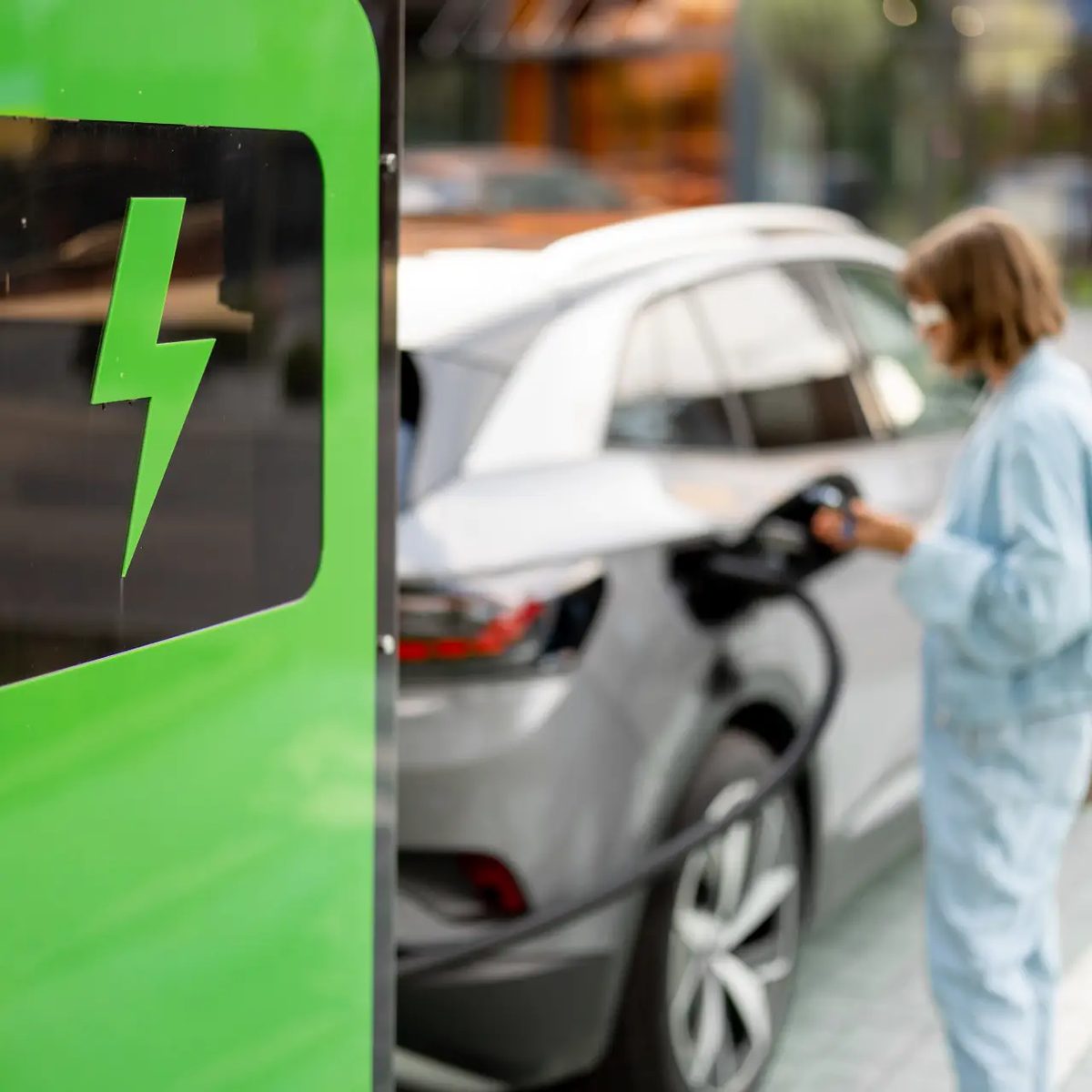
The promise of fully solid-state batteries isn’t just about range. It’s time. More specifically, the time spent standing still waiting for a plug.
Traditional lithium-ion batteries have a strict speed limit. Even with a fast charging protocol, it typically takes 20-30 minutes to reach 80% charge. It’s time for a toilet break. Cup of coffee. Maybe text. However, with the advent of solid-state battery technology, this window has narrowed dramatically. We are talking about filling the tank in 5-10 minutes.
Is this realistic? Yes. But it has a massive asterisk.
The physics of speed
Why are they so much faster? It comes down to, three main factors are changing the way energy moves from the grid to vehicles.
- High current tolerance: Solid electrolyte supports higher amperage without compromising performance. This means that more electrons can be pushed into the battery in less time.
- Excellent heat management: Lithium-ion batteries get hot when they are charged quickly. Heat drains the battery. Solid-state cells manage heat better and enable continuous fast charging without causing safety shutdowns.
- High Voltage Transfer: These cells operate at high voltages, which enables a faster energy transfer rate compared to traditional liquid electrolyte systems.
Infrastructure bottlenecks
This issue is often overlooked in press releases.
A 5-minute charge is only possible if the charging infrastructure can provide the necessary power for a 5-minute charge. You can’t pour a fire hose into a garden sprinkler.
Most current DC fast chargers have a maximum output of 150 kW to 250 kW. A charging station of at least 350 kW can be required to charge solid-state batteries in less than 5 minutes. It’s not just a plug problem. Your vehicle’s Battery Management System (BMS) must be sophisticated enough to monitor battery temperature and voltage in real time and adjust current to prevent damage.
Without a compatible charging station and an intelligent battery management system, the theoretical speed of a solid-state battery remains at its theoretical speed. The hardware is ready. The network is not.
The hype around solid-state batteries goes beyond charging speed. It fundamentally changes the way we think about electric cars. Manufacturers and buyers focus on two specific metrics: long battery life and high energy density. These are not marketing buzzwords. These are the technological backbone that will allow EVs to eventually compete with internal combustion engines in all practical terms.
This makes this technology different from the lithium-ion batteries that currently dominate the market.
Range anxiety dissolves
The main factor behind the high energy density is simple mathematics. By storing more energy in the same physical space, you can travel further on a single charge. This is the holy grail of consumer adoption.
Current lithium-ion batteries use liquid electrolytes to transfer ions between the anode and cathode. Solid-state versions use solid materials instead of liquids. This enables the active material to be packed more tightly. The result? Considerably more kilometers on a charge. For the average commuter, this might mean charging once a week rather than every other day. For long-distance travelers, it reduces the mental burden of constantly searching for charging stations.
Built-in protection
Liquid electrolytes are flammable. This is why electric car fires are rare, but so serious and difficult to put out. Solid-state batteries eliminate this volatile component.
When using solid materials instead of flammable liquids, the risk of thermal runaway (chain reactions leading to fire or explosion) is significantly reduced.
This is not just a passenger safety feature. This is a manufacturing advantage. Battery packs can be made simpler and lighter by eliminating the need for complex cooling systems to prevent overheating.
Longevity is important
One of the biggest criticisms electric cars face today is battery degradation. The capacity decreases over time. If you buy a car with a range of 200 miles, after five years it may only have a range of 150 miles.
Solid-state batteries are chemically more stable. Performance degrades only slightly when dealing with repeated load cycles. This means that the vehicle will retain more of its original mileage throughout its life. For used buyers, this stability helps stabilize resale value. For homeowners, this means fewer replacements and lower long-term costs.
Performance in extreme weather conditions
Temperature sensitivity is a known weakness of current battery technology. Range and charging speed can be significantly reduced in cold weather. Extreme heat can accelerate battery wear.
Solid-state designs are less sensitive to these variations. They maintain stable performance both in cold winters and hot summers. This reliability increases the geographic feasibility of electric vehicles. They’re not just for mild climates anymore.
Future direction
There are high expectations for this technology. However, the transition from laboratory prototypes to mass production poses complex technical challenges. Material costs and manufacturing scalability are still obstacles. However, the path is clear.
Car manufacturers are investing billions of dollars. Startups are born all over the world. The competition is tough. As these batteries eventually become more common, their specifications will be impossible to ignore.
Will they replace lithium-ion entirely? It might not be tomorrow. But the direction is set. The transition to safer, more sustainable and more efficient energy has already begun. It’s not a question of whether they’ll get there. It’s how quickly they will change the cars we drive.
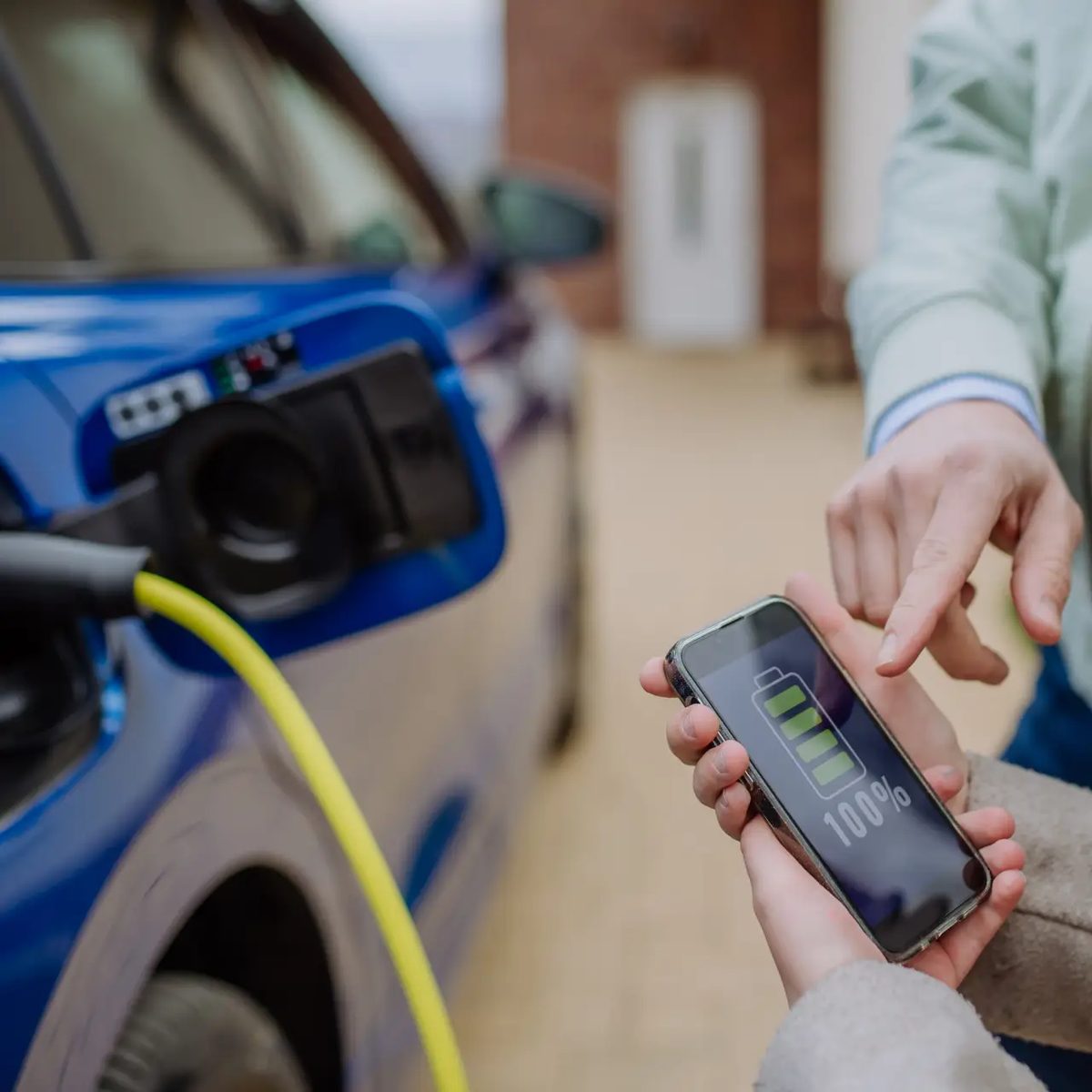
The Roadblocks Standing in the Way of Solid State Batteries
This sounds utopian for the future, right? A battery that never catches fire, can be charged in a few minutes and last for decades. But let’s be realistic. Solid-state batteries are currently facing a harsh reality check. While this technology holds great promise, it is not yet ready for prime time. No, it wasn’t because the engineers were lazy. This is because the physics of scaling up are brutal.
The biggest obstacle is not science. It’s the price tag. Now, it’s one thing to make solid state batteries on a table. It’s quite another to make 100,000 of them at a reasonable price. We are not in mass production. We were stuck in the prototype stage, where each unit was essentially hand-made or semi-handled by robotic arms that was still learning its job.
Think about your supply chain. Certain rare or expensive raw materials must be mined. Then the manufacturing process itself begins. It is not as simple as pouring electrolyte into the case and closing it. The interface between the solid electrolyte and the electrode is very difficult. If the chemical stability is not perfect, the battery will deteriorate. Quickly.
Scaling the Impossible
Lab results look good. The energy density is very high. Safety is increased because flammable electrolyte does not leak or catch fire. But things get complicated when you bring the unit to the factory floor.
- Cost barrier : Increasing production requires significant investments in new equipment and automation systems that do not yet exist. Raw material supply is also a bottleneck.
- Material science limitations : Solid electrolytes must be chemically stable. If it gets worse, the battery won’t work. We are still working on the chemistry to make it last for thousands of cycles.
- Manufacturing limitations : Automation requires caution. Conventional lithium-ion battery cables simply cannot be reused. We need new speeds, new pressures, new environments.
- Infrastructure gap : The cars may be ready, but the charging network is not. Fast charging requires network upgrades, which most cities are not ready for.
So why the delay? Because solid-state batteries require completely rebuilding energy storage. This is not an incremental update. It was a rewrite of the entire manufacturing strategy.
The Chemistry Problem
This is an often overlooked part. Solid electrolyte. It is the core of the system. In liquid batteries, the ions can move freely. In solid form, they have to jump over small gaps. When thermal expansion or pressure changes close these gaps, the flow of ions stops. The battery is dead.
Researchers are fine-tuning its composition. Ceramic? Polymer? Sulfides? Everyone has their own strengths and weaknesses. Ceramic is stable but fragile. The polymer is flexible, but the ion conductivity slows down. Sulfides conduct well, but can react with moisture. Finding the right balance is like trying to combine the properties of a diamond and a sponge.
Next, the interface. Electrode and electrolyte. This is a microscopic war zone. If the contact is not perfect, the resistance increases. Efficiency decreases. Heat builds up. And we’re back to square one.
When Will It Be Real?
Most experts say the following.
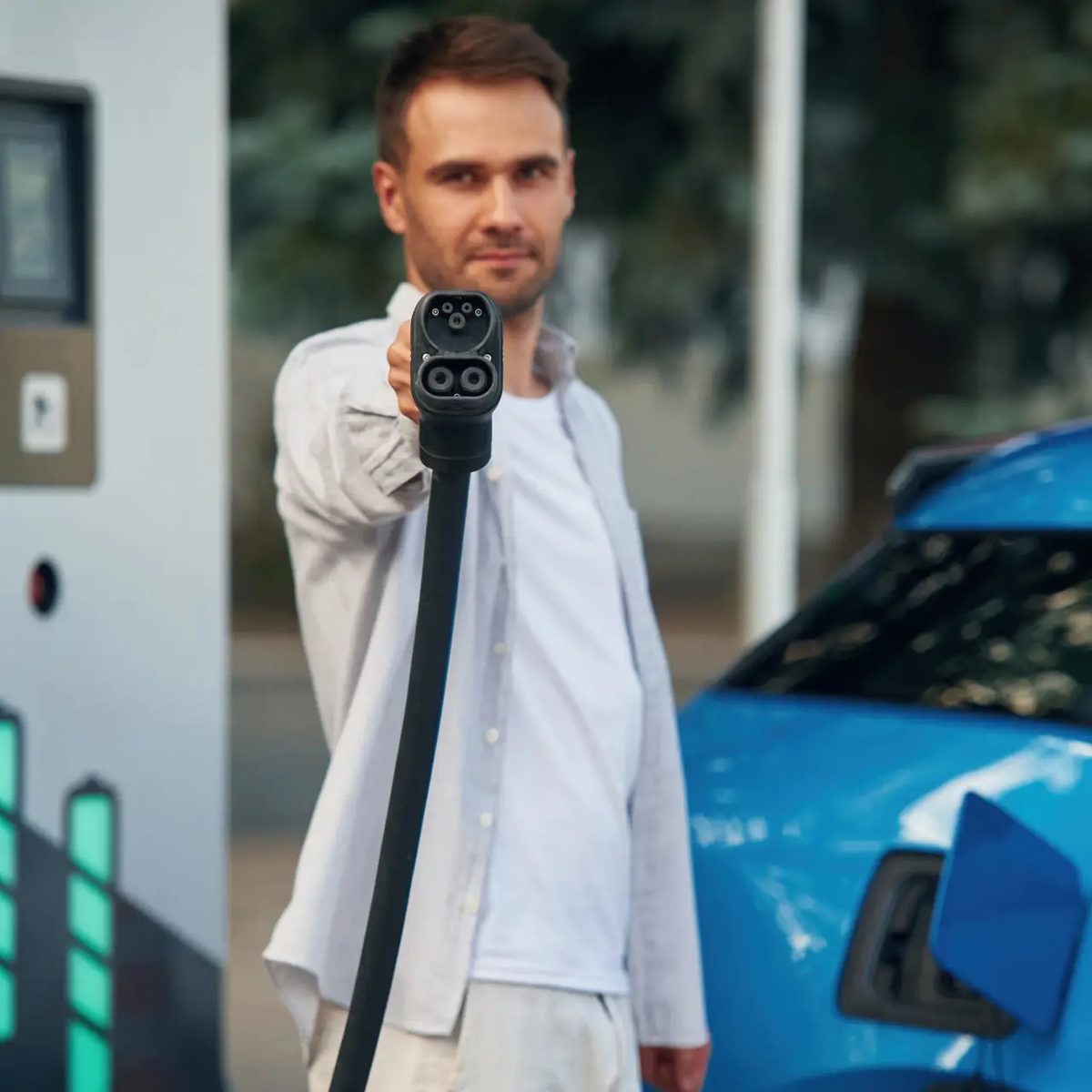
The Next Generation: Who Bets on Solid State?
The game doesn’t slow down. It is shifting gears.
The big car manufacturers are no longer just talking about solid state batteries. They are pouring money into this technology. Giants such as Toyota, BMW and Volkswagen are no longer distant observers. They are in the lab.
These companies are testing experimental prototypes. The goal is simple. Prove that solid-state batteries can operate outside of a controlled environment.
But the players are not limited to car manufacturers.
Battery manufacturers are also involved in the battle. The same applies to purely technology companies. What is their focus? Battery Chemistry and Materials Science.
They drill down to the atomic level. Why? This is because current liquid electrolytes in lithium-ion batteries have limitations. they deteriorate. They catch fire. Over time, They lose capacity over time.
Solid State offers another way.
This transition involves replacing liquid electrolytes with solid materials to achieve higher energy density and safer storage.
High-tech companies are working on new material combinations. They want more efficient models. More durable. The goal is to solve the longevity problem that plagues current electric cars.
It’s not just about range. It’s about longevity.
Who will crack the code first? A traditional car manufacturer with mass production capabilities, or a nimble tech startup with breakthrough chemistry?
The prototypes are rolling out. The patents are being filed. Money flows.
We are waiting for the moment when experiments become the norm. Until then, the silence of the laboratory contrasts sharply with the hustle and bustle of the market.
Strong bet
The ultimate goal of solid-state batteries is more than just incremental gains. It’s about turning the whole driving logic upside down. We are talking about technology that promises to fill the EV’s tank in the time it takes to drink a cup of coffee. It’s 5 minutes. This is a benchmark that makes traditional lithium-ion batteries look like antiques.
Consider the current sticking points for EV adoption. Range anxiety. Deficiencies in charging infrastructure. Fire hazard. Solid-state batteries solve all these problems with one change in dense materials.
The promise is clear.
* Very fast charging Comparable to gasoline refueling time.
* Extended range and reduces the heavy weight of large liquid cooling components.
Intrinsic safety. This is because it does not use flammable liquid electrolytes.
This is not science fiction. It’s engineering waiting to scale.
Of course, the road has not been smooth so far. Manufacturing costs remain high. The technical barriers to fully integrating solid electrolytes with electrodes are very high. Formation of dendrites? The problem still exists. Cycle Life Consistency? Difficult to prove at scale.
However, its motivating effect is too great to ignore.
Automakers are pouring billions of dollars into this particular technology stack. Why? This is because if we can solve the cost problem, we can also solve the electric vehicle deployment problem. Cars that charge in minutes, last for decades and never catch fire are revolutionizing purchase calculus. This eliminates the last major hesitation for the average buyer.
The whole industry is holding its breath. The first commercially available models are slowly starting to appear, mainly from Japanese and Korean manufacturers who have been in the business for decades. But the real test is mass production.
Will it happen fast enough to beat the next wave of improved liquid batteries, or will solid-state remain a luxury for most of this decade?
The technology is ready. The question is whether the factories can be built on time.
The promise of a solid-state remains difficult
In the following years, the landscape of the automotive industry will change again. Even more manufacturers. More tech giants are entering deep waters. The consensus is that solid-state batteries are ultimately the right answer for anyone asking what an electric car really is in the near future.
This sounds like a utopian solution. High energy density. Faster charging. No more nightmares about overheating. But what about now? It remains on the horizon. We have made progress towards this goal, but we are not there yet.
So why all the hype? Because current lithium-ion technology has hit a wall. We squeeze out every last drop of intercalation chemistry. The gains are diminishing. The risks are growing. Enter solid-state batteries. A solid electrolyte is used instead of a liquid electrolyte. In theory. This allows the use of lithium metal anodes. This means you get more energy in the same space. Lighter weight. The selection is expanding even further.
But theory is cheap. Manufacturing costs are high. And very brittle.
Several companies claim to have cracked the code. Toyota has been discussing this topic for 10 years. Volkswagen is pumping billions of dollars into startups like QuantumScape. BMW and Mercedes are investing heavily. The list is long. The actual cars? Almost none.
Science is not the only bottleneck. It’s scalability. Building some prototype batteries is another matter. It’s another thing to make hundreds of thousands of things that don’t fail after 500 cycles. Interfacial resistance. Formation of dendrites. Material costs. These are all the headaches that keep engineers up at night.
However, the path is clear. Waiting for the perfect electric car can mean waiting forever. This generation is good. It is getting better. Quickly. But the real revolution, solid-state batteries, is still being developed mainly in laboratories.
We’ll likely see a hybrid approach first. Semi-solid. Better electrolytes. Make gradual improvements instead of sudden leaps. This is how engineering works. incremental. Messy. Eventually effective.
It’s not a question of whether it will happen. It’s just the right time. When this happens, the rules of the road change completely. Until then, we’ll make do with what we have.