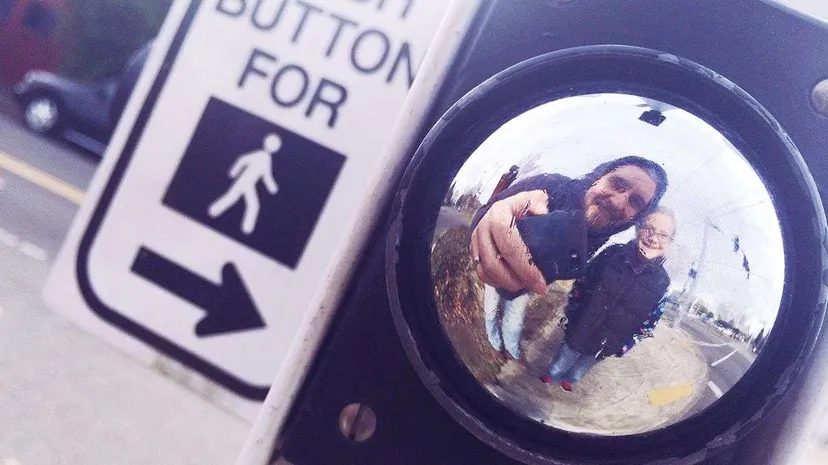
Pressing a physical switch creates a tangible, intuitive sense of satisfaction. It means agency. It shows that the world is bend to your immediate will. You are standing on the side of the road. Press the pedestrian signal. You are waiting for a white walking man. You feel in control.
you are lying to yourself.
The mechanism behind these buttons is primarily a psychological placebo. In many cities, pressing the “push across” lever or the “close door” button in an elevator does not change the operation of the system at all. Traffic lights rotate according to a fixed timer. Elevator doors are closed for safety delay, not emergencies.
Зміст
The illusion of control
This is not a conspiracy to keep you waiting. It is a remnant of infrastructure development.
For decades, crosswalk signs were completely manual. If you want to cross, you have to physically disconnect the line to alert the traffic controllers. All that matters is the button. But as cities modernized, traffic engineers turned to computerized, adaptive signal models. These systems use sensors to detect actual vehicle and pedestrian traffic and adjust timing in real time to reduce congestion.
No hardware changes have been made. The software did.
In 2004, representatives of the Department of Transportation revealed some startling statistics to the New York Times. More than 75 percent of the city’s crosswalk buttons were functionally dead. They are still there, mounted on sturdy metal poles, but do not affect the traffic lights.
The U.K. has a similar reality. By 2013, transport authorities admitted that up to 40% of pedestrian signals were operating automatically. Pressing the button is optional at best.
Why include them?
Does the urban planning agency have a dark sense of humor? Do they like to see you pump your fist at a light that isn’t listening?
No, it comes down to cost.
Removing a button boxes is expensive. They are connected to the central grid. Removing them would require extensive construction, rewiring and bureaucratic overhead. The cost savings from removing the hardware do not outweigh the effort.
So the cities make a compromise. They hold the button in place for the psychological reassurance of the public. This gives drivers and pedestrians a sense of agency, even if the system operates on a predetermined cycle.
That’s a small mercy. An tactile reassurance that the world is still responsive. Even if it isn’t.
Press the button. The light changes anyway. You tell yourself it was because of you. And for a few seconds, that feeling is enough.
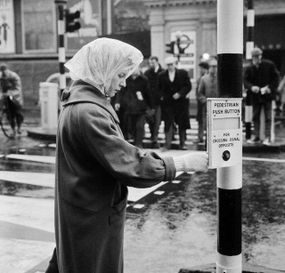
Modern traffic lights have evolved much further than just timers. Systems such as Split Cycle Offset Optimization Technique (SCOOT) enable dynamic programming that adapts to real-time conditions. This technology is particularly effective at intersections where vehicle traffic is heavy 24/7, but there are many pedestrians during working hours. walk signal can be activated automatically during the day. At night, when there is little traffic, the system switches to button mode. This optimization reduces unnecessary idling and keeps traffic flowing.
Elevator door myths
Urban legends about elevator “door close” buttons are rampant. Persistent rumors say the button is locked behind the master key and only emergency personnel or service technicians can use it. Another theory is that they are completely fake and are just a placebo to keep impatient riders from losing their minds.
In reality, it is a combination of regulation and psychology. The Americans with Disabilities Act of 1990 requires that elevator doors be held open for at least three seconds. Due to this security requirement, pressing the “Close” button immediately after entering can be prevented. The timer hasn’t finished yet. You are stuck waiting.
Placebo effect in the workplace
Some elevator buttons don’t work at all. These are true placebo controls. The term comes from medical psychology, where sham treatments cause real physiological changes simply because the patient believes they work. In the built environment, this can be seen as a sense of agency.
Heating and cooling experts report on the installation of placebo thermostats in office buildings. Workers believe they can control the temperature. They adjust the dials and feel empowered by the illusion of control. The system is not responding. The temperature remains constant. But the psychological benefits are real.
Notice the feeling of power when you press the crosswalk button or elevator button. It can be limited to your own thoughts. This may be an illusion programmed into the hardware. But it works.