The shocking truth about #crossover SUVs and their forgotten predecessors
You want the comfort of a car and the practicality of a truck. This is not a new idea. By the 1920s, the market had met this particular need. The result was a station wagon. This is the original crossover. Decades before modern marketing teams started slapping “crossover” badges on SUVs, station wagons were already doing the heavy lifting. They offered family space without the bulk.
Then the wheels turn again. Horse-drawn carriages became extinct in the United States in the 1980s. Minivans took over. They were practical. They were efficient. However, the backlash was huge. Drivers hated looking like they were chauffeuring a soccer team. The “mother phone” label motivates buyers to buy something bigger. Something more difficult.
Enter the SUV. They grew. And grew. And grew.
Now we are back at another pivot point. Gas prices spiked. Environmental issues are at their peak. Large SUVs have become a liability. The industry is actively working to fill this gap with crossovers. We promise you the best of both worlds. Low center of gravity. Automatic processing. In some cases, we also transport cargo.
But here’s the problem. Crossovers are not a revolutionary invention. They are a recycled idea. A cycle of patterns that repeat every few decades. The station wagon wasn’t just a precursor. This is the prototype for all the vehicles we drive today.
Зміст
5: Station Wagons
旅行车的诞生是出于需要。 早期的汽车是露天的。 或者它们是硬盒子。 行李掉到了屋顶上。 或者在后备箱里。 或者放在单独的推车上。 这是不切实际的。 雨水毁坏了货物。 盗窃很容易。
制造商开始延长车顶线。 他们增加了一个后门。 起初只是简单的修改。 轿跑车实用程序。 然后是一辆加长后背的轿车。 到了 20 年代,这些机构已经标准化。 它们看起来就像前面的汽车。 但他们有一个后挡板。
这个设计解决了一个基本问题。 你如何携带杂货? 婴儿车如何安装? 如何移动大型物体而不将其装载到在高速公路上可能被吹走的车顶行李架上?
The answer was a single, unified body. No separate bed. No rugged frame. Just a long, rectangular space behind the front seats.
考虑一下几何形状。 它本质上是一辆拉长的轿车。 后悬架针对乘客进行了调整。 不适用于有效负载。 这让人很舒服。 但并不难。 不像皮卡。
尽管如此,它仍然是最接近现代跨界车的。 它的屋顶很低。 轻松进入和退出。 它不像卡车那样坐得很高。 你不需要跑步板。 你刚刚打开门就进去了。
“旅行车”一词本身已经成为历史。 它来自铁路。 早期版本设计用于携带行李往返火车站。 因此,“旅行车”。 后来,它们成为郊区家庭的默认车辆。 他们看上去很威严。 木镶板使它们看起来很高档。 它们不适合农民。 它们不是用于建筑的。 它们是为中产阶级设计的。
这种区别很重要。 旅行车从来都不是真正的卡车。 这是一辆冒充卡车的汽车。 它借用了公用事业。 但

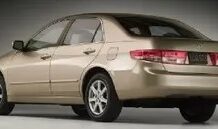
It’s funny how cultural baggage can kill a vehicle class. Even if the station wagon isn’t forever marked as the Brady family’s mobile office or the Griswold family’s doomed trip, the station wagon might still rule the roads. They are still considered an important symbol of rising socio-economic status. Instead, they became a metaphor for middle-class boredom. Minivans stepped in during the mid-1980s to vanquish them. The body style never truly died, though. It just moved. Car culture, especially in Europe and other foreign countries, is very different from the US. One thing is certain. Introduced in the 1920s, the station wagon was one of the first vehicles that managed to combine the comfort and everyday drivability of a car with the practical transport features of a truck.
ステーションワゴンの名前の由来は何ですか?
では、ステーションワゴンの名前の由来は何でしょうか? 自動車開発の初期の頃、それらはもともと「デポハック」と呼ばれていました。 分解してみると意味が分かります。 駅や駅への往復に利用するタクシー(タクシーの俗語)です。 初期のバージョンは、フォード モデル T のような普通の車でした。 メーカーは、タクシーの乗客の荷物を収容できるように、より広い後部を追加して車両を改造しました。 ステーションワゴンとして特別に設計された最初の「量産」車は、デュラントモーターズ社によって製造された 1923 年のスターでした。
初期のステーションワゴンは全木製または木製のボディを持っていました。 彼らは適切に「ウッディーズ」と呼ばれていました。 後年、メーカーは全金属ボディまたはビニールインサートパネルに移行しました。 これらの合成パネルは木材と同様に作られていますが、耐久性が高く、メンテナンスの必要が少なくなります。
经典旅行车的定义特征
旅行车的独特特征使它们有别于轿车和掀背车。 它们通常有三到五扇门。 内部是可配置的,允许在后面有更多的乘客室或货舱。 与轿车倾斜的后备箱不同,车尾延伸并具有陡峭的垂直落差。 它们通常具有更坚固的后悬架,以更好地处理重型货物。
今天的许多跨界车都执行着古代旅行车的确切职责。 它们只是更新了更前卫的造型和更高的离地间隙。 他们甚至共享熟悉的“双盒”配置。 发动机和乘客的前箱。 后箱可容纳货物和人员。 只是请不要称它们为“旅行车”。
4: Jeep
The Jeep brand has always had a strange place in the automotive world. Definitely not a truck. Not so much the car. This is an icon that refuses to fit into standard categories. Because of this ambiguity, it has survived despite the decline of other utility companies. While station wagons retreated to Europe and the niche market, Jeep’s performance doubled. They didn’t try to soften the edges. They tend to be sturdy, which is what makes the original Willys MB so important.
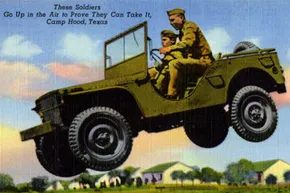
世界を征服したジープ
論理に反する車両を本当に必要とする買い手がいたとすれば、それは第二次世界大戦中の米軍でした。 政府は、不可能を可能にする小型自動車機械の生産を求める熱狂的な要求を出しました。 この危機感が、今日では世界で最も象徴的な自動車ブランドの 1 つであるジープを誕生させました。
オリジナルのデザインは 1940 年にバンタム・カー・カンパニーから提供されました。 彼らは 49 日間の期限をクリアしました。 しかし軍は、バンタムが戦時中のレベルまで生産を拡大できないことを懸念していた。 そこで彼らは、大量生産のためにウィリス・オーバーランドとフォードを雇いました。
その結果は伝説となる。 初期のテストから戦闘任務、そして民間生活に至るまで、ジープは頑丈で多用途であることが証明されました。 伝統的な意味では美しくありません。 ランボルギーニと間違える人はいません。 それでも批評家たちはそれを愛した。 ニューヨーク近代美術館は、これを機能のためにスタイルを犠牲にした純粋に実用的なデザインと呼んだ。
大砲を牽引できる。 スパークプラグとフィルターがエンジンルームの高い位置にあるため、浅い川を渡航できます。 他の車両が立ち往生している中、泥だらけの丘を登った。 機関銃を携行している。 兵士から映画スターまであらゆる人々を施設内に運びます。
戦後、「ジープ」はブランドとして定着しました。 冒険を表します。 それはオフロード走行の楽しさを意味します。
Chevrolet El Camino: Car/Truck Hybrid
Look at the front of the Chevrolet El Camino. It has the face of a car. 車と間違えるかもしれません. If you look at it from the side or the back, you can see that the pickup bed is attached to the frame.
The El Camino was discontinued in 1987 and has been on sale for over 30 years. It has gained a cult following among muscle car enthusiasts. 全盛期には, buyers could install a 350-horsepower V-8 engine. 流線型のデザイン. powerful engine. It settles the age-old question, “Car or truck?” question. “両方”と答えることで解決しました.
It has a long life cycle. After a short break, 1964年から1987年まで販売されました. バッジエンジニアリング versions are coming to GM’s sister brands. Chevrolet changed the exterior, but the main components remained the same.
The market disappeared in the 1980s. Muscle car buyers are now dads with mortgages and minivans. This gas-guzzling beast is no longer suitable for families and has been discontinued. Chevrolet has announced that 1987 will be the last year of this classic model.
ランケロとの競争
To be successful in the automotive industry, you have to be competitive. This was certainly the case in the 20世紀中後期. Chevrolet, Ford and Dodge are always trying to outdo each other in terms of power, style and technology.
The original El Camino was part of that war. Built in 1959, this car was General Motors’ answer to the Ford Ranchero. Both are compromises. Both try to solve the car vs. truck dilemma. ライバルを倒すためにスペイン語で名付けました: El Camino which means “the road” or “the way”.
2年で初代モデルは生産終了. In 1964, a new model based on the Chevelle パッセンジャーカー was introduced.
The Bi-Drive Quirk
While the name may sound like a toddler’s complaint, the Subaru BRAT actually implemented a clever strategy. The Bi-drive Recreational All-Terrain Transporter was produced from 1978 to 1987 and was more than just a novelty. Combining a car body with a pickup truck bed, it is historically aligned with the Ford Ranchero and Chevrolet El Camino.
The real technological triumph here is the “on-the-fly” all-wheel-drive system. If the road becomes muddy, the driver can switch traction modes by pressing a button. This flexibility made it a true “crossover vehicle” even before the term entered the common lexicon.
Then there are the seats. The rear platform bed has a rear-facing plastic bucket seat. Do people actually use them? Probably not. But they have a legitimate purpose. By adding a passenger seat, Subaru classifies the BRAT as a passenger car rather than a truck. This loophole allowed them to avoid the high import duties that were levied on trucks at the time.
Sales volumes are not large. More than 92,000 units moved. Power is also limited, as the most powerful 1.8-liter turbo engine produces only 93 horsepower. But celebrity owners give it a strange aura. Ronald Reagan drives a red 1978 model on his California ranch. For a car with such a silly name, it’s incredibly versatile.
The Term Sticks
Around 2000, the industry needed a new label. “SUV” means big, thirsty and rough-riding. This new generation of vehicles offers the practicality of an SUV while maintaining the comfort and fuel economy of a car. They need a new name. “Crossover” became popular.
Manufacturers went into overdrive. Subaru Forester, Pontiac Vibe, Toyota Matrix, Lexus RX300, Honda CR-V, Hyundai Santa Fe, Ford Escape, and the list is growing fast. This category is no longer niche. This is the market.
Compact Pioneer
In 1994, the Toyota RAV4 changed things. This model comes at a time when American buyers are starting to tire of SUVs. The big cars that dominate the roads have high seats that give a feeling of safety, but they are uncomfortable, expensive and waste fuel.
The RAV4 (Recreational Active Vehicle 4-Wheel Drive) offers a middle ground. The compact SUV body is bolted to the Corolla chassis. The first and second generations shared their roots with the Corolla. It’s the first compact SUV on the market, proving you don’t need a Hummer-sized footprint.
Today we call them crossovers. At that time, the word had not yet entered common parlance. The RAV4 shows that there is a huge need for less extreme practicality. Although it is the size of a baby, it is powerful.
The Aztec Paradox
If the Aztecs had a spirit animal, it was Montezuma. The Pontiac Aztek debuted in 2001 and was widely hated by the media. The design is unusual. Some called it ugly. Some people call this a failure of execution.
However, the story is more complicated than the reviews suggest. Owners loved it. They cite reliability, a high seating position and impressive fuel efficiency. Aztek offers space and versatility. The concept is solid.
The problem is the process. The final production car does not resemble the powerful concept that inspired it. Committees diluted the design. Their goal is the lowest common denominator. Blogger Jeff Atwood sums it up this way: “It was a great idea at the right time, but bad execution ruined it.” Its ambition and compromise are uniquely American.