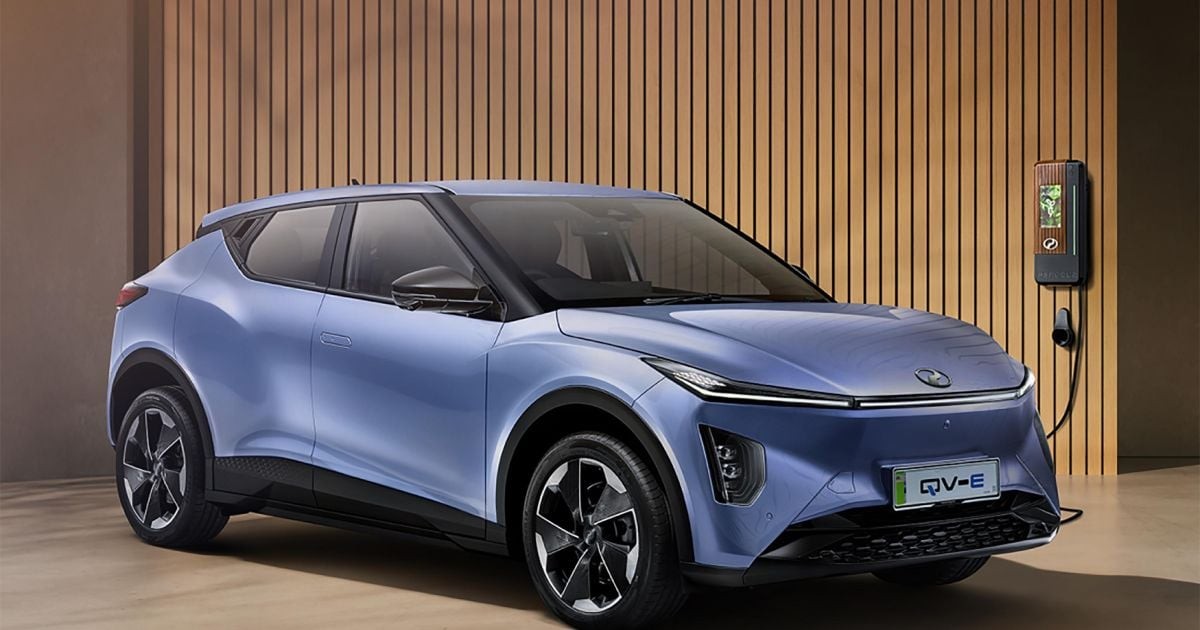
Malaysia’s automotive sector has taken a significant step forward with the debut of the Perodua QV-E, the nation’s first fully in-house designed and engineered electric vehicle (EV). This marks a departure for Perodua, traditionally reliant on rebadged Daihatsu models, and signals a push towards local EV manufacturing driven by government initiatives.
Зміст
Key Specifications and Performance
The QV-E boasts a compact city-car profile, measuring 4.17 meters in length with a 2.68-meter wheelbase. It features a 150kW electric motor delivering 285Nm of torque, propelling it to 100 km/h in a claimed 7.5 seconds – making it the fastest Perodua ever produced.
Power comes from a 52.5kWh lithium iron phosphate (LFP) battery supplied by CATL, offering a WLTP-rated range of 370km. Charging options include AC at up to 6.6kW and DC fast-charging up to 60kW.
Interior and Features
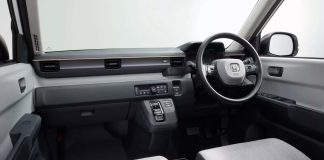
Inside, the QV-E introduces several firsts for the brand, including leather upholstery and a digital rear-view mirror. It also includes a 10.25-inch infotainment touchscreen, an electric driver’s seat, a 360-degree camera, and advanced driver-assistance systems (ADAS) such as autonomous emergency braking, traffic jam assist, lane departure warning, and adaptive cruise control. The vehicle rides on 18-inch alloy wheels.
Unique Battery Leasing Model
To lower the initial purchase price, Perodua employs a battery leasing model. The QV-E starts at 80,000 ringgit (approximately A$29,600), but the battery is retained by Perodua and leased for 297 ringgit (around A$110) per month. This includes battery replacement if capacity drops below 70%.
This approach is notable: it separates the high upfront cost of the battery from the car’s price, potentially making EVs more accessible. However, it also creates a recurring cost for owners and ties them to Perodua for battery maintenance and eventual replacement.
Market Context and Competition
The QV-E’s development cost 800 million ringgit (A$296 million). It directly competes with Proton’s e.Mas 5, a rebadged Geely EX2, which starts at 56,800 ringgit (A$21,000) and offers a smaller 30kWh battery with a 225km range. Perodua aims to sell 3,000 QV-Es per month, but the higher price point may pose a challenge in a market where affordability is key.
Perodua, founded in 1993, has quickly risen to dominate Malaysia’s car sales, surpassing Proton despite its early reliance on restyled Daihatsu models. The QV-E represents a strategic shift towards independent EV development, potentially reshaping the nation’s automotive landscape.
The success of the QV-E will depend on how consumers respond to the battery leasing model and whether Perodua can effectively compete with more affordable EV options. It remains to be seen if this move will cement Perodua’s leadership in the Malaysian market or open the door for other automakers to challenge its dominance.