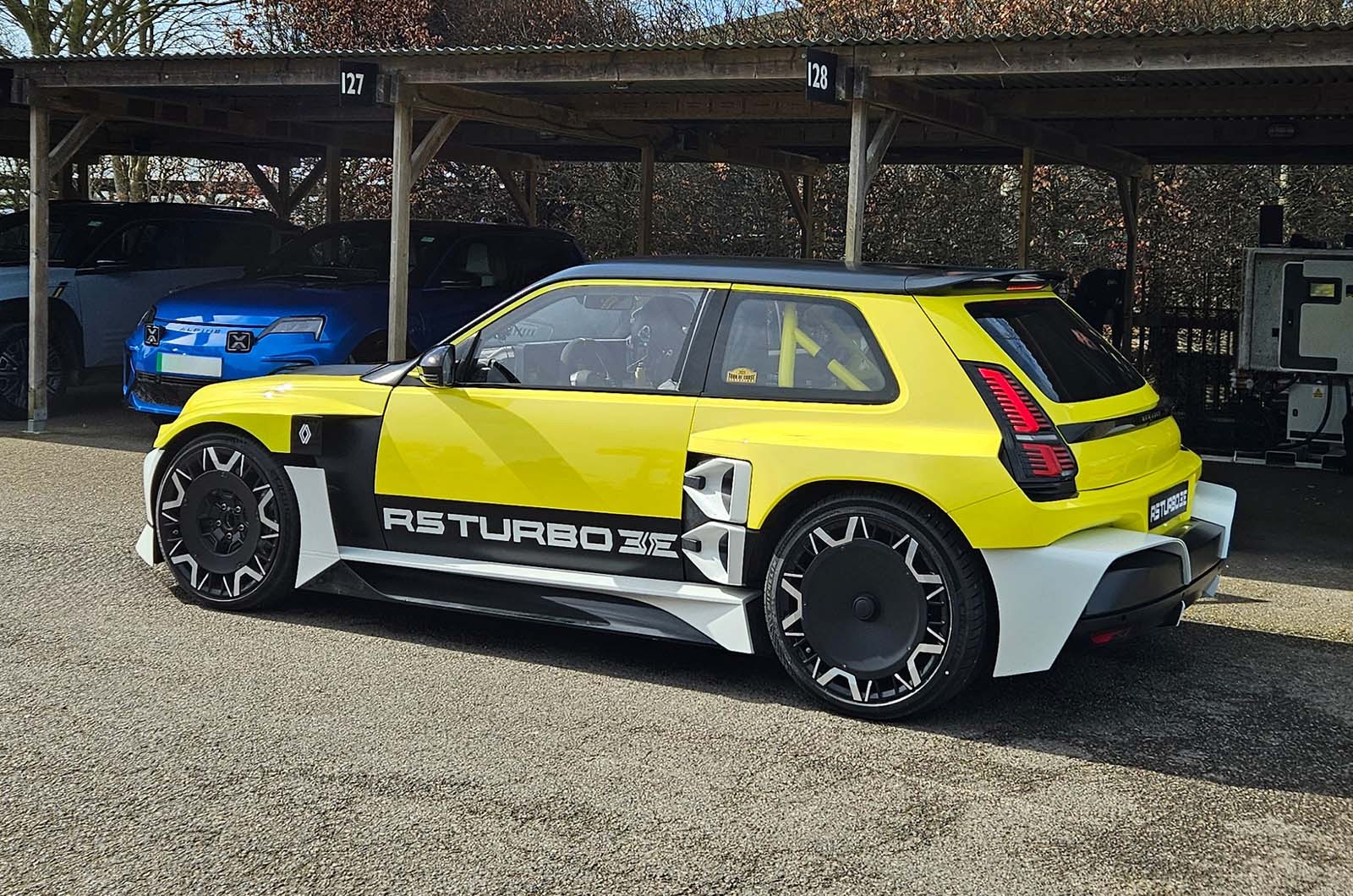
Patience? Yeah. Sure. But this was less about waiting and more about hitting a wall until it moved. Protean Electric has spent the better part of seventeen years chasing one ghost: putting an electric motor directly into the wheel hub. It sounds easy in a slide deck. In the real world? It’s a nightmare of dirt, heat, and physics trying to kill you.
They didn’t quit. They cracked the code. Now Renault is putting that tech into the 5 Turbo 3e. Coming early 2027. First European production car with in-wheel motors. Big deal? You bet.
Зміст
The Physics Problem
Everyone said it wouldn’t work. Unsprung mass kills handling. Water ruins electronics. Brakes don’t fit. Heat cooks the coils.
Protean just solved them. One by one. They turned myths into math. They designed a system where each wheel gets its own integrated inverter, keeping the heat at bay while handling the power. They figured out how to keep the communication simple between parts that have nowhere else to hide.
And they built it to last. Really last. More than 186,079 miles. That’s kerb strikes, potholes, shock, and vibration for a vehicle lifetime. No excuses.
Brakes That Don’t Fail
What about stopping? You can’t just slap a motor on a wheel and forget the friction brakes. Protean worked with Alcon since 20011. Note the date. They’ve been at this.
The rotor bolts to the motor assembly. The caliper mounts to the suspension, grabbing the inside of the disc. Clean. Functional. Tests on cars weighing up to 3500 kilograms show it matches standard non-EV brake performance. No compromise there.
“The brake performance matches that of standard… vehicles of up to 3,500 kg.”
Speed and Suspension
The result? A four-meter rear-wheel-drive rocket. The 5 Turbo 3e produces 550 bhp and 3,540 lb-ft of torque. Zero to sixty-two miles per hour in under 3.5 seconds. Staggering.
But how does it handle the extra weight in the wheels? Stiffen it up. Protean realized they could offset the unsprung mass penalty with stiffer suspension components. Harder ride maybe. Better control definitely. It’s a trade-off you make when you’re moving this much power this fast.
Thermal management? Patented. Hardware and software working together. They don’t talk much about the specifics, probably because competitors are watching closely.
Beyond the Car
Thirty-two-zero-plus patents. That’s not a resume, that’s a moat. Protean isn’t just looking at sedans. They’re targeting light commercial trucks. Autonomous bots. They even have the Protean360+. A wheel corner module that rotates through a full 360 degrees. Imagine a city vehicle that just slides sideways into a parking spot. Or any spot, really.
We’re waiting until 2027 for the Renault. By then? Maybe we won’t recognize driving anymore.
Will it be smoother than an ICE car? Probably. Will it handle like one? No. And maybe that’s the point.