Energy prices moved up again on July first. A 5.8 percent hike hit the standard variable tariff, pushing the rate to 26.11 pence per kWh from 24.69p. Roughly 60 percent of us are on this standard rate, meaning millions are paying more for power. Ofgem confirms this shift.
It hurts.
Consider a fixed-rate deal instead. Those locking in for a year pay about 22 pence per kWh. That’s a decent chunk lower than the standard rate.
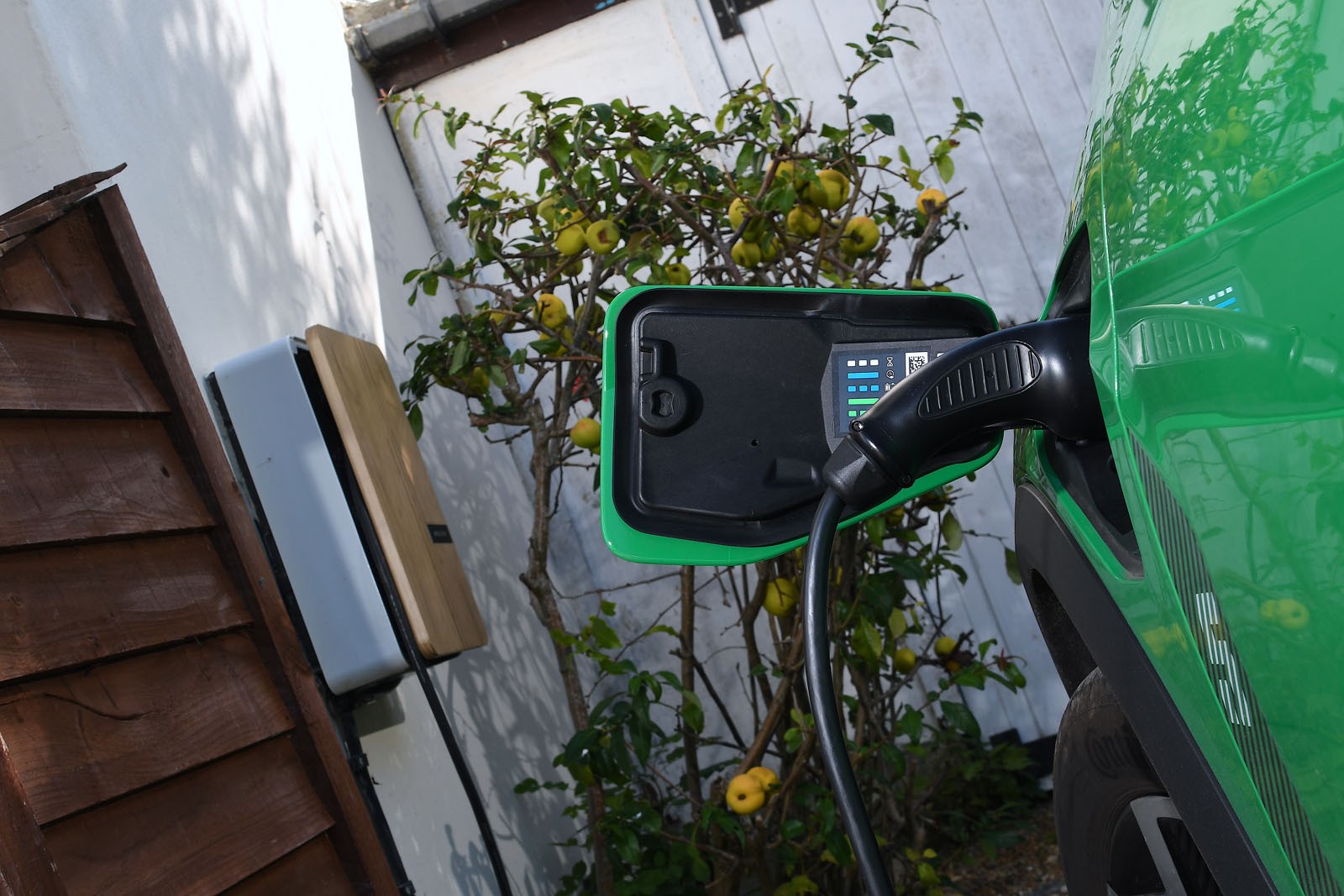
Let’s talk math. Say you drive a Skoda Enyaq. You average 4 miles per kWh and clock up 8,000 miles yearly. If you charge at home on the standard variable rate, expect to spend £522. Switch to that one-year fixed rate, and the bill drops to £440. An £82 saving. Not life-changing, but noticeable.
Of course, this assumes you’re plugging in at home, not grabbing juice at a public station where prices average 54 pence per kWh. Government data shows 76 percent of EV owners can charge at home. The rest? They’re out of luck.
Finding the right fixed tariff requires digging. Don’t just look at the headline number. Check if the rate is actually at least 10 percent below the current variable tariff. Scrutinize the contract length. Is it for new customers only? Check the standing charge, some of which are surprisingly high. Look for exit fees, usually around £50, which sting when you want to leave.
What if you hate being locked in? British Gas offers a “Fix & Fall” option. It fixes the price for two years, but drops the rate if the national price cap falls after year one. There are catches, though. The reduction maxes out at £50, and the exit fees hit £75 per utility type.
Then there are the EV-specific tariffs. These promise off-peak rates around 9 pence per kWh, usually between midnight and 5 am. The name implies exclusivity to electric cars, but any appliance benefits from those hours.
Charge an Enyaq for 8,000 yearly miles on such a tariff, and the cost plummets to roughly £180. Compare that to the fixed rate or standard variable? It’s a steal.
But here is the rub. That charging window is narrow. From midnight to 5 am at 7.4 kW gives you 37 kWh. Some days, you won’t fit all the juice you need. You’ll be forced to use more expensive peak hours or public chargers. Is it worth the hassle? Maybe. Maybe not.
Suppliers are getting cleverer to fill gaps. British Gas runs PeakSave Sundays, halving the cost from 11 am to 4 pm. Demand is low on weekends, so they pass that saving along.
Octopus Energy watches wholesale prices all day and night. Their Intelligent Octopus Go tariffs drops to 8 pence per kWh if you hand control over to a smart charger like the Ohme Home Pro. You tell it when the car needs to be full; the grid fills it when prices dip.
Scottish Power goes cheaper still. With their EV Optimise plan, bundled with a specific charger, rates can hit 6 pence per kWh.
The landscape is fragmented. Options vary by location, supplier, and the hardware you plug into the wall. It pays to check what your neighbors are doing, and whether the cheap rate fits your life. Or if your life fits the rate.