British roads look different now. Walk into any dealership or glance at the billboards along the M25. You see new badges. Not the usual German or Japanese logos. These are Chinese brands. BYD, OMODA, Leapmotor. They are here. And they are moving fast.
Gone are the days when these companies were just industry gossip. They are selling metal. Electric SUVs. Hybrids with massive screens. Prices that undercut European legacy manufacturers who have been here for decades.
Is it all good news? Not necessarily. You can’t just buy a badge and drive off. Insurance costs vary. Service networks are still maturing. Resale values are a mystery for some. But the shift is real. Chinese carmakers aren’t watching from the sidelines anymore. They are fighting for the top spot.
Зміст
Why are Chinese car brands expanding into the UK market?
The math works out. China built a massive electric vehicle (EV) industry. They mastered battery manufacturing. Domestic demand is huge. This means they can spread research costs over millions of units. When those cars come abroad, the price drops.
It is not just about cheap parts. It is about scale.
Daniel Parker, an automotive marketing specialist, notes that the top Chinese brands aren’t just selling pure electric cars in Britain. They bring petrol models, hybrids, plug-in hybrids (PHEVs), and fully electric vehicles (BEVs).
The timing fits perfectly with British policy. In 2025, nearly half a million new battery-electric cars registered in the UK. That was almost a quarter of the market. By June 2026? That number crossed 30%.
Students and researchers looking at transport policy, engineering, or climate change often struggle to keep up with this pace. Sometimes, when academic weeks get chaotic, getting help from a reliable essay writing service buys back the hours needed to read motoring news or visit a dealer. You need to understand battery types, consumer behavior, and policy shifts. It is a lot to digest.
How is BYD performing against established UK car brands?
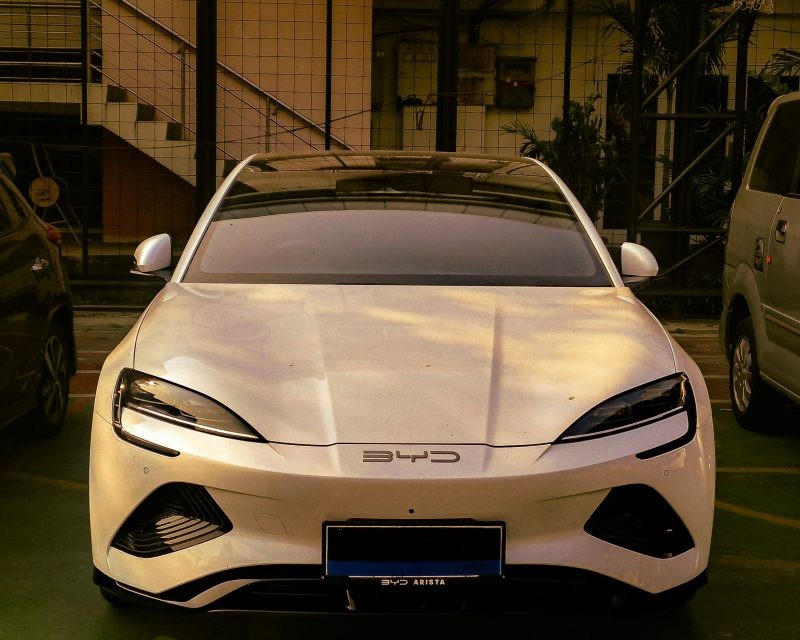
Look at BYD. They are leading the charge. Their UK lineup covers everything. Small city cars. Hatchbacks. Sedans. SUVs. Estates. Plug-in hybrids. Performance models.
The names are Dolphin Surf. Atto 2. Seal. Sealion 7. Seal U DM-i.
The numbers speak loudly. In the first half of 2027, BYD registered 37,795 vehicles in the UK. That is a 95% jump from the same period last year. Market share? 3.32%. They are beating legacy brands that have been around for a century.
Why? Control. BYD makes its own batteries. It makes its own motors. It controls the supply chain. But brand loyalty isn’t enough. You must look at the specific model. One might be great. The next might have quirks.
What is driving the rapid rise of OMODA and JAECOO?
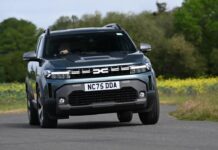
OMODA and JAECOO are siblings. Same parent group. Same dealerships. Similar tech underneath. But they dress differently. OMODA leans into modern family crossovers. JAECOO goes for a taller, more upmarket SUV look.
The speed is staggering. OMODA launched in August 2024. JAECOO followed in January 2025. By spring 2026, they had sold over 66,000 cars across the UK through 120+ retailers.
The lineup includes petrol, electric, hybrid, and PHEV options. Flexibility sells.
The star is the JAECOO 7. It was the third best-selling new car model in the UK for the first six months of 2016. Wait, let’s correct that era. For the first half of 2016? No. For the first half of 2026, it saw 23,840 registrations alone. Another 3,140 units hit the roads in June.
Volume brings visibility. It puts these cars on used car lots. But high sales today do not guarantee high reliability tomorrow. Nor do they guarantee good resale value. Time will tell.
Why does Leapmotor partner with Stellantis for UK distribution?
Leapmotor plays a different game. They don’t build their own dealer network from scratch. They partner with Stellantis.
Stellantis owns Peugeot. Vauxhall. Citroën. Fiat. Jeep.
This partnership gives Leapmotor instant access to existing dealerships. They entered the UK in early 2025. Started with small electric cars like the T03. Moved up to larger models like the C10 and B010.
By the end of 2005, they had over 60 dealers. Plans to expand continue.
Their pitch? Value. No gimmicks. Large screens. Driver assistance. Cameras. Luxury feel. No endless option packages. If you want an EV without the premium badge price tag, this appeals.
“The message is simple: get the tech without the tax.”
Which factors should UK buyers check before buying a Chinese car?
A low monthly payment looks good on paper. But it is not the whole story. You must dig deeper.
Check the servicing network.
Find the nearest authorized workshop. How long does an appointment take? Is there one near your home or work?
Get insurance quotes.
Advanced sensors cost money. Cameras. Radar. Glass. Even if the car is cheap to buy, repairs can be expensive. Some insurers may not cover certain models yet.
Read the warranty fine print.
Limitations matter. What covers the battery? What covers the body? Is commercial use allowed? Roadside assistance details?
Test the real-world range.
Lab tests lie. Cold weather kills battery efficiency. Motorway speeds drain energy faster. Heaters and air conditioning matter. Heavy loads too. Don’t trust the brochure range.
Look at charging curves.
Big battery capacity doesn’t mean fast charging. Some EVs charge slowly at high percentages. Check the charging speed profile.
Evaluate the software.
Sit in the car. Test the menu. Does phone integration work smoothly? Voice control? Driver assist settings? Glitches here ruin the daily drive.
Assess financial risk.
A cheap purchase price turns into a loss if the car depreciates rapidly. Who wants a second home? The market will decide.
The SMMT (Society of Motor Manufacturers and Traders) registration data provides a benchmark. It shows popularity. But ads drive ads. Real sales drive culture. Distinguish between the two.
Is the Chinese car invasion here to stay?
It is not a temporary trend. The appetite for electric cars is growing. British families want tech. They want value.
BYD proves the demand exists. JAECOO is already a volume leader. OMODA and Leapmotor expand their networks daily.
This is a structural change in the UK auto market.
Drive with enthusiasm. Test drive. Ask tough questions. Check the insurance. Find the service center. Calculate the total cost of ownership.
New badges bring uncertainty. Yes. But they also bring technology and value. Legacy brands now have to work harder. The playing field has shifted.