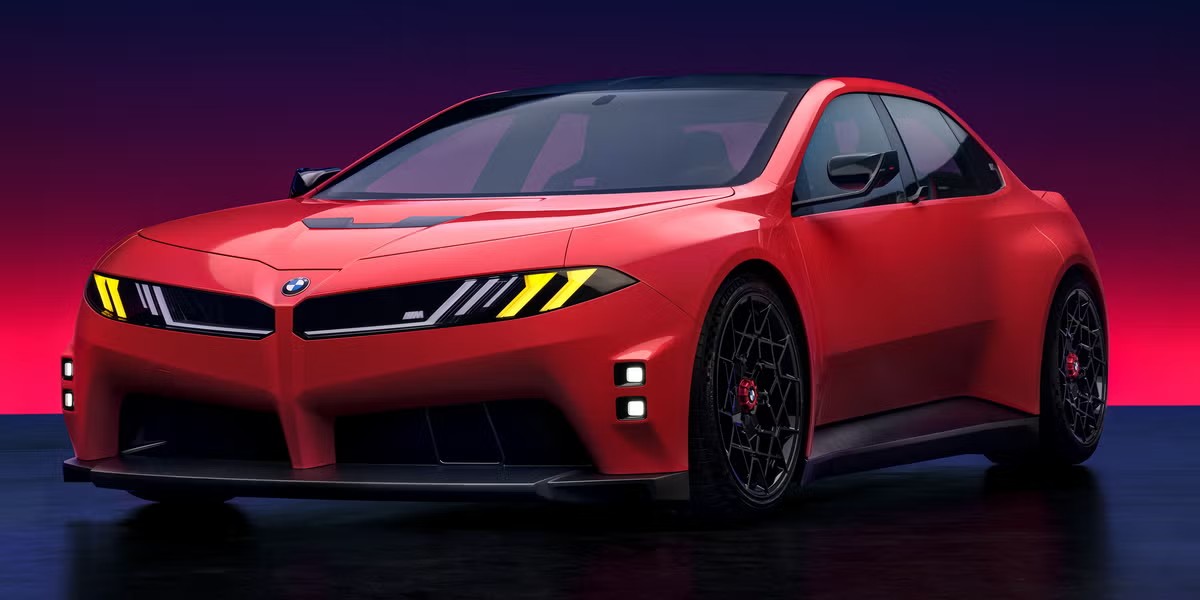
BMW is betting the farm on electrons. The 2028 BMW M3 electric sedan isn’t just another EV; it’s the brand’s loudest attempt yet to convince petrolheads to plug in. This is their first true M car born from an electric platform. No conversions. No compromises in their eyes.
It wears the face of the standard i3 but adds the muscle. Wider fender bulges. Sharper aero bits. Lighting that looks ready to race. And here’s the kicker: a gas-powered M3 will still exist. BMW says they’ll coexist. The gas model likely arrives first, letting traditionalists ease into the change before the electric version takes its seat in the showroom.
Why does this matter? Because M cars have a reputation. Sublime performance is the legacy. Tainting it with slow charging or numb steering would be suicide. BMW knows this.
How the 2028 BMW M3 Electric Works: 800V Architecture Explained
The secret sauce is voltage. The 2028 BMW M3 electric runs on an 800-volt system. Same as the i3. Same as the rest of the Neue Klasse lineup.
Why 800V? Speed. It charges faster. It discharges faster.
The batteries are new too. BMW claims 20 percent higher energy density compared to past models. More juice in the same space.
If you can’t wait for this launch, look at the outgoing i4. It’s a favorite around here. Dual motors. 592 horsepower. Proven tech. But for the M3 badge? You need more.
Powertrain: 4 Motors, 1,000 HP, And The Heart Of Joy
Everything is new. Production starts in 2027. Details are still thin, but the architecture is solid.
Four motors. All-wheel drive.
That’s the headline. The M division is tweaking the math to ensure this car beats its rivals. Not just in acceleration. In feel.
Horsepower estimates vary. The base model should clear 600 hp easily. The top-tier CS trim? It could hit 1,000 hp.
Power isn’t the only story. Control is.
Enter the “Heart of Joy” control unit. This central brain handles everything. Drivetrain. Braking. Charging. Regeneration. Steering. It’s the single point of failure or triumph. BMW is working on next-gen motors to pair with this software. We’ll know more soon. For now, trust the hype but wait for the dyno sheets.
Inside The Cabin: Screens, Buckles, And Panoramic Vision
Step inside the concept car and you see bucket seats. Five-point harnesses. Cloth trim on the dash with multi-colored lights. It looks like a track day special.
Production models won’t have harnesses. They’ll have seatbelts. Normal chairs. Maybe.
The second row in the concept shows two buckets. A three-across bench? Probably offered. It’s a sedan after all. Cargo space remains a mystery. Expect a trunk and a front trunk (frunk). That’s the EV standard.
The tech, however, is the star.
- 17.9-inch touchscreen.
- Wireless Apple CarPlay.
- Android Auto.
- Bluetooth.
The screen uses a matrix backlight. Visible in bright sun. Customizable to a fault.
But look up.
BMW’s new Panoramic Vision system stretches across the windshield. A-pillar to A-pillar. It’s not just a HUD. It’s a display.
Left side: Driver info.
Right side: Passenger personalization.
Center: Shared content.
You can drag widgets from the center screen to the windshield. Six at a time. Steering wheel buttons handle the tweaks. Your phone and smartwatch act as keys.
Is it too much tech for a sports car? Some will argue yes. But BMW thinks the M3 EV is about data as much as drama.
Will it drive like an M3? That’s the only question left.
The battery is denser. The motors are quad. The software is central.
We just have to wait and see if the electrons sing.