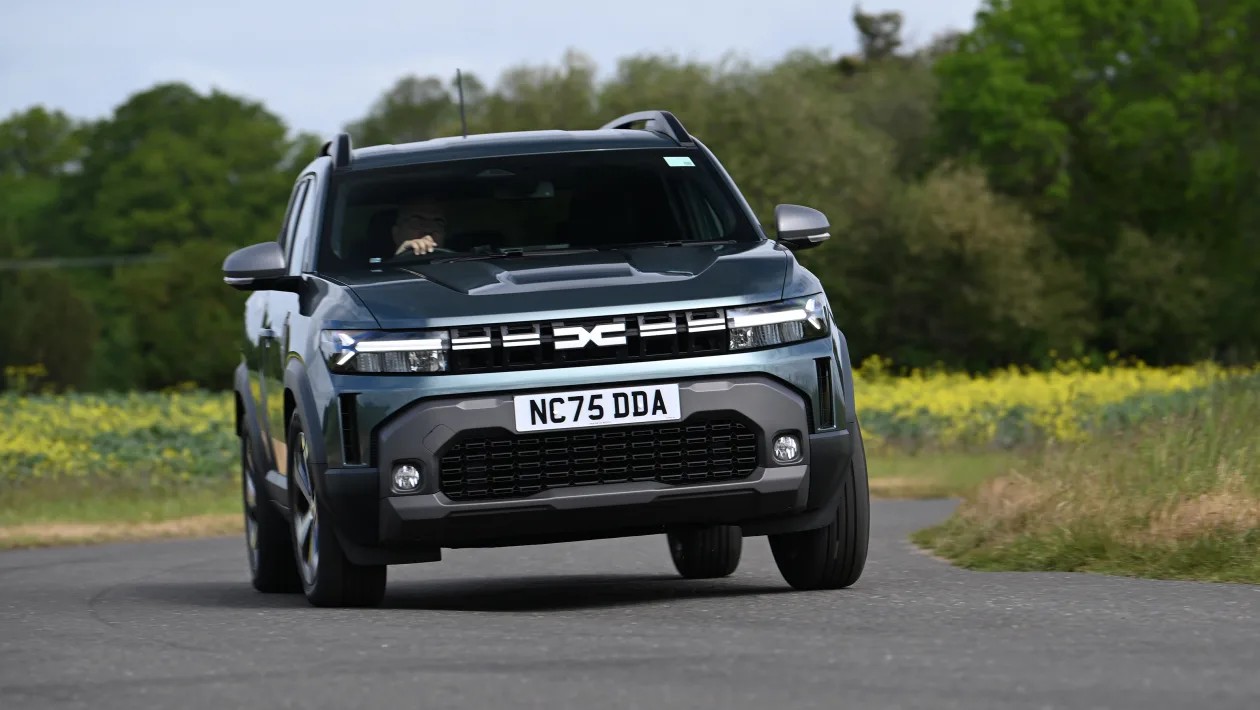
Dacia isn’t just making cheap cars. They are building an electric empire, and the blueprint is finally clear.
UK managing director Lina Ribeiro sat down with Auto Express and laid out the plan. By 2030, the brand wants four new pure-electric vehicles. Here is the twist. They aren’t creating new names from scratch. They are reviving existing heroes. The Sandero survives. The Duster goes electric. It’s a pragmatic approach, not a flashy one.
Зміст
Which Dacia Spring EV comes next?
The Dacia Spring EV arrives first. Think early next year.
It’s based on the new Renault Twingo. It’s built in Europe. This matters. The previous Spring was made in China. Ribeiro says the new version aims for the best value in the market. She insists the price won’t stray far from the current model. That is bold given the tech upgrade.
This isn’t just a city runabout anymore. It gets SUV styling. Big cladding. High stance. The battery comes from the Twingo too. It’s a 27kWh unit. You are looking at roughly 150 miles of range. Not a lot, but enough for the segment. It sits on Renault’s AmpR Small platform. The smallest version. It’s a massive step up in electrification for Dacia.
Why keep the Sandero? Multi-energy powertrains
The Dacia Sandero EV follows later. Targeting 2028 launch.
Here is the key detail. Dacia isn’t dropping petrol. The next Sandero will offer petrol, hybrid, and electric options. Ribeiro calls it a “multi-energy” proposition. This is unusual. Most brands are killing combustion engines faster than this. Dacia is keeping the Vauxhall Corsa rival alive with choices.
There is a platform puzzle here. Currently, Sandero runs on the CMF-B architecture. Cheap. Efficient. But will the electric version sit on that? Or will it jump to the AmpR Small platform like the Renault 5? These architectures share about 70 percent of parts. Dacia might avoid splitting the lineage into two different designs. Keeping it simple keeps costs down. The Sandero could be the first car in the group to offer true multi-energy flexibility across one badge.
How the Electric Duster SUV will change the B-SUV market
Then there is the big one. The Dacia Duster EV.
Ribeiro didn’t confirm the fourth EV by name, but everyone knows what it is. The Duster is the cash cow. The B-SUV segment is lucrative. Dacia plans to electrify it while keeping petrol and hybrid variants. A multi-energy architecture again.
Arriving late in the decade. It will be the last of the four planned EVs.
“We have very loyal customers… I spoke to a customer the other day who is on his fifth Duster.”
That loyalty is the brand’s shield. Owners stick around. They evolve with the brand. Dacia CEO Katrin Adt wants two-thirds of their volume electrified by 2030. The electric Duster is central to that math. It’s not about abandoning the SUV roots. It’s about updating them.
What about the Dacia Hipster concept?
There is a wildcard. The Dacia Hipster.
Remember the tiny boxy concept? Four seats in three meters? It might happen. But not soon. Ribeiro says there are no new segments being entered right now. But Adt admits they have the assets to build it.
The issue is regulation. The European Commission is working on a new ‘M1E’ class for affordable, short-range EVs. Manufacturers get “super-credits” for these. It helps with emissions targets. But the rules aren’t firm. Not until 2026. So production likely won’t start before 2030.
The mission remains: an EV offer in every segment. But Dacia refuses to raise prices. These cars are often the only car in the household. They need to be tough. Reliable. Affordable. The engineering challenge is square that circle. Big battery. Low price.
The roadmap is set. Spring first. Sandero next. Duster last. And maybe, just maybe, a hipster box later.