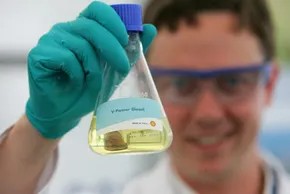
Crude oil is just black goo until you look at the molecular level. What pumps out of the ground is petroleum, a dense mixture of aliphatic hydrocarbons. These molecules are simple. Just hydrogen and carbon atoms linking together in chains. The length of those chains determines everything. How the fuel burns. How it moves. Whether it’s a gas, a liquid, or a solid.
Зміст
Why gasoline and diesel behave differently
It all comes down to chain length. A single carbon atom bonded to four hydrogens is methane (CH4). It’s light. It floats. As you add more carbons, the molecule gets heavier. The first four chains—methane, ethane, propane, and butane—are gases at room temperature. They boil at freezing temps like -161 F down to -1 F.
Once you hit longer chains, the state changes. Chains up to about C18 are liquids at room temp. Anything above C19? Solid.
So what is the chemical difference between gasoline and diesel fuel? It’s the number of carbon atoms in the chain. This dictates their boiling points. Refineries use distillation to separate them. They heat the crude oil and pull the components out based on when they vaporize.
Which hydrocarbons become gasoline
The lightest liquid fractions are C5 through C7. These are naphthas. Clear. Volatile. Used as solvents for dry cleaning or paint stripping.
Gasoline comes next. It’s a blend of chains ranging from C7H16 to C11H24. These molecules vaporize below the boiling point of water. That’s why a gas spill vanishes quickly. The fuel turns to vapor before it can soak deep into the driveway.
Kerosene sits in the C12 to C15 range. It’s heavier. Less volatile.
Diesel fuel and heavier heating oils follow kerosene. These are longer chains. They don’t vaporize as easily.
Then come the lubricating oils. These chains are so long they barely vaporize at all. Engine oil can sit at 250 F (121 C) all day without turning into gas. This range goes from light 3-in-1 oil to thick gear oils and semi-solid greases. Even Vaseline fits in here.
Above C20, the stuff turns solid. Paraffin wax. Tar. Finally, asphaltic bitumen for paving roads. All of it comes from the same barrel of crude. The only variable is chain length.
Kerosene versus gasoline: safety and usage
Is kerosene the same as gasoline? No. Not even close.
Gasoline is extremely flammable. Its flash point is -40 F. Kerosene is much safer to handle. Its flash point is 100 F. You need a lot more heat to ignite it.
What is kerosene used for?
It fuels furnaces, domestic heaters, and lamps. Jet engines use it too. It dissolves pesticides and greases.
What is the difference between diesel and kerosene?
Diesel has a more rigid molecular structure. Typical diesel molecules have 16 carbons and 34 hydrogens. Kerosene is a mix of chains from 12 to 15 carbons. It’s less structured.
Does kerosene evaporate?
Not really. Under normal temperatures, it stays liquid. You can store it for a long time without losing volume to the air. Gasoline? Not so much.
What are the disadvantages of kerosene?
It’s a non-renewable resource. Burning it releases greenhouse gases. The fumes can damage your lungs and skin if you’re exposed often. And if you spill it? The smell lingers. Scrubbing won’t fix it quickly.
Related automotive topics
- How Oil Refining Works
- How Gasoline Works
- How Oil Drilling Works
- How Gas Lanterns Work
- How Diesel Engines Work
- How Biodiesel Works