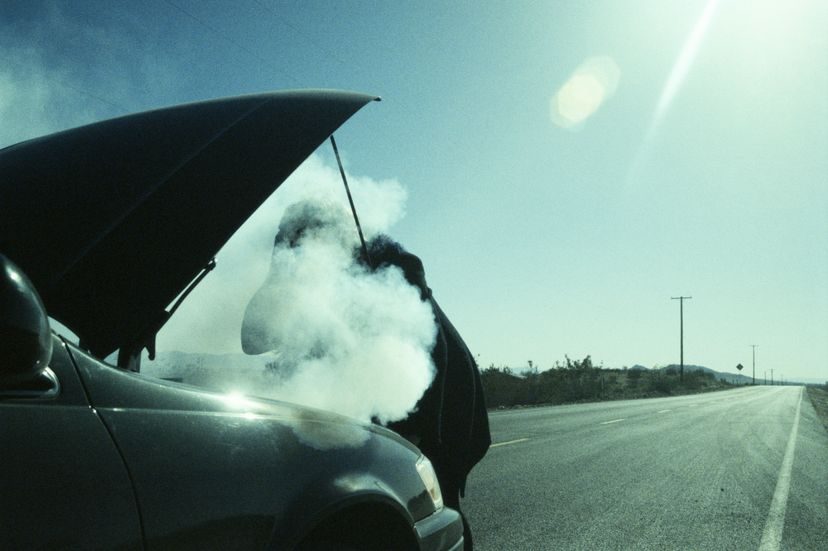
That plume of white vapor hitting your face when you pull out of the driveway is never a good sign. It’s not just steam. It’s a symptom. And ignoring it usually leads to a bill that makes you want to sell your car and walk home.
White smoke from exhaust is a specific diagnostic flag. It points to fluid where it shouldn’t be. Water vapor, coolant leaks, or a shattered cylinder head are the usual suspects. You need to know which one it is before the engine seizes.
Зміст
Cold Start Steam vs. Thick Vapor
If it’s freezing outside and you just started the car, don’t panic. That thin, wispy cloud is just water vapor. Combustion creates water as a byproduct. The exhaust pipes are cold. The water condenses into visible steam. It goes away once the engine warms up.
But there is a difference.
Normal exhaust gas dissipates quickly. It’s harmless. If the white smoke persists after the engine reaches operating temperature, you have a problem. Thick white smoke that doesn’t clear up indicates a serious issue. Coolant is entering the combustion chamber. It’s turning into steam inside the cylinders and shooting out the tailpipe.
The Coolant Leak Problem
Coolant leaks are the most common cause of persistent white smoke. When coolant enters the cylinders, it interferes with combustion. The fluid boils and vaporizes. The result is a thick, sweet-smelling cloud.
A cracked engine block allows coolant to bypass the cooling system and enter the combustion space. This isn’t a minor leak. This is catastrophic. The engine loses compression. It overheats. It might be beyond repair.
You have to do the math. Replacing a cracked block means replacing the whole engine. Does the value of your vehicle cover that cost? Often, it doesn’t. This is why early detection matters.
Head Gasket Failure Explained
The head gasket seals the joint between the engine block and the cylinder head. It keeps coolant, oil, and compression where they belong. When it fails, that seal breaks. Coolant bleeds into the combustion chamber. Oil mixes with coolant. You get white smoke.
Unaddressed head gasket failure leads to bearing damage. It causes ring wear. The repairs get exponentially more expensive. Fixing it requires replacing the gasket and any damaged parts. It’s labor-intensive. It’s not a DIY job for the faint of heart.
Damaged Cylinder Head
Sometimes the block is fine, but the head is cracked or warped. Extended use or a previous overheating incident can warp the metal. The seal between the head and block weakens. Coolant leaks into the cylinders.
Persistent white smoke is a major red flag for this. You need a professional inspection to confirm if the cylinder head is the root cause. A warped head needs resurfacing or replacement. A cracked one needs swapping out.
Cracked Engine Block Symptoms
A cracked engine block is the worst-case scenario. It’s a fracture in the metal casing. It causes multiple symptoms simultaneously:
- White smoke from the exhaust
- Visible oil or coolant leaks
- Chronic overheating
- Loss of compression
This usually results from severe overheating or physical stress. The fix is a new or rebuilt engine. You can’t weld a cracked block and expect it to hold. It won’t.
How to Diagnose White Smoke Issues
You can’t guess your way out of this. You need evidence.
Check for coolant leaks first. Look at the ground. Check the reservoir levels. If coolant is dropping, you have a leak.
Examine engine components. Look for signs of contamination in the oil. Milky oil suggests coolant mixing.
Use diagnostic tools. A cooling system pressure test reveals leaks. A vacuum gauge checks for intake issues. A compression tester measures cylinder health. A leak-down tester pinpoints where compression is escaping.
Assessing these factors helps you pinpoint the exact cause. White smoke from exhaust isn’t something to ignore. It’s a mechanical failure in progress. Address it now.
When White Smoke Means Trouble
White smoke from the exhaust isn’t just about bad weather. If you see it after a cold start, it’s likely just condensation burning off. That’s normal. It vanishes in a minute. But if the white clouds keep rolling out while you’re driving? That’s not water. That’s trouble.
The difference is critical. You need to distinguish between harmless vapor and something serious. Usually, serious white smoke smells sweet. It smells like coolant. If it does, stop driving and check the fluids. Ignoring this turns a simple repair into a total engine rebuild.
The Head Gasket Fix
The most common culprit for persistent white smoke is a blown head gasket. This seal sits between your engine block and the cylinder head. When it fails, coolant leaks into the combustion chamber. The engine burns it. You get thick, white exhaust.
Fixing this isn’t a weekend project for beginners. You have to remove the cylinder head entirely. Once it’s off, you need to clean the mating surfaces perfectly. Any debris left behind will cause the new gasket to fail immediately.
Then you install the new gasket. Torque specs matter here. You have to tighten the bolts in the correct order and to the exact specification. If you miss that, the leak returns. Consult your repair manual. Or pay a pro. The risk of messing up the head gasket installation is too high for a quick DIY guess.
Replacing the Cylinder Head
Sometimes the gasket wasn’t the only casualty. A blown head gasket can warp the cylinder head. If the aluminum surface is warped beyond machining limits, you need a new head.
This is complex. You’re dealing with valves, springs, and camshafts. The steps vary wildly depending on whether you’re working on a turbocharged four-cylinder or an older V8. The core issue remains the same though. You need perfect sealing surfaces.
If you attempt this without proper knowledge, you’ll likely break bolts or damage the engine block threads. This isn’t just about swapping parts. It’s about precision engineering. If you aren’t comfortable with torque wrenches and timing procedures, walk away and find a shop.
Fixing a Cracked Block
Worst case scenario? The engine block itself is cracked. This can happen from freezing temperatures if you didn’t use proper antifreeze, or from severe overheating.
Repairing a cracked block is possible but tricky. Options include welding, brazing, or cold metal stitching. Cold metal stitching involves inserting small steel bars into drilled holes and tightening them to close the gap. It’s an older technique but effective for certain cracks.
You have to clean the area meticulously. Then apply the repair compound or set the stitching. Curing takes time. You can’t rush this. And even if you fix it, a cracked block is a sign of major neglect or extreme stress.
Preventive maintenance is your best defense here. Regular coolant flushes prevent freezing and boiling. Overheating kills engines. Don’t let it happen.
Preventing Future Smoke
You don’t want to be in the shop. You want to be driving. Prevention is simpler than the repairs listed above.
Check your oil levels regularly. Low oil causes overheating. Overheating causes blown gaskets. Use the correct grade of oil specified by the manufacturer. Don’t guess.
Inspect for leaks. Look under the car. Look around the engine. Any pool of fluid is a red flag. Also, listen. Unusual noises often precede visual smoke. If your engine sounds rough, check it.
White smoke can be water vapor. It can be coolant. It can be a sign of a catastrophic failure. Watch your temperature gauge. Watch your exhaust. Small issues become big bills quickly.
The Bottom Line
White smoke is a symptom, not a disease. The disease is usually internal mechanical failure. Diagnosis requires knowing the difference between a warm engine and a broken engine.
If the smoke persists, don’t ignore it. Drive it hard, and you might turn a $300 gasket job into a $5,000 engine replacement. The cost of inaction is always higher than the cost of repair. Stay vigilant. Check your fluids. Keep the engine cool.
If you’re still seeing it, pull over. Call a tow truck. Better safe than sorry.