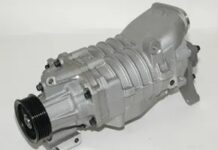
Chargers are the unsung heroes that keep your electrical system running. It charges the battery while the engine is running, ensuring that there is enough power to start the car and everything from the radio to the infotainment screen. If this component fails, problems will occur. Fortunately, you don’t need a degree in electrical engineering to diagnose the problem. All you need is a multimeter and a willingness to look under the hood.
Check the battery status first
Before you blame the alternator, you need to make sure that the battery itself is not the problem. A dead battery can cause the alternator to malfunction. With the engine completely off and set the multimeter to DC voltage. Touch the red probe to the positive pole and the black to the negative pole.
We are looking for a resting voltage of around 12.7 volts. This indicates that the battery is healthy and fully charged. If the reading is less than 12.4 volts, the battery may be depleted or failing. Please replace or recharge before continuing. Testing the alternator with a weak battery is a waste of time.
Measure the output voltage of the alternator
Now turn the key. Start the engine, but do not put your foot on the gas pedal. Let it idle. The alternator is now spinning and powering the system.
Connect the multimeter to the battery terminals. Look at the reading. If the alternator is working properly, the voltage should be between 13.8 and 14.2 volts. This range is critical. If the value is significantly lower, the alternator does not produce enough power. If it is more than 14.5 volts, the voltage regulator may be faulty and overcharging.
Let’s test the Amperage under load
The voltage tells whether the alternator is working or not. Amperage tells you if it is working well or not. To test this, you need to change the multimeter setting to DC amps. If you are not used to clamping around the battery cable, you may need a special ammeter.
Turn on all electrical devices in the car. Headlights. High beams. rear defroster. Adjust the stereo to maximum. Wipers. You want to create a heavy electrical load. Let the engine idle at about 1200 rpm.
Check your vehicle’s owner’s manual for the amperage rating of your alternator. Most modern cars use units rated at 80-120 amps. If you have a 90 amp alternator, the reading should be close to 88 amps with this load. If the amperage output drops significantly, it means that the alternator is worn or defective. It’s not just making power. It’s about not being able to maintain it when you need it most.
If your measurements are outside these limits, you’ve got a culprit. On dark highways, replace the parts before the battery dies.