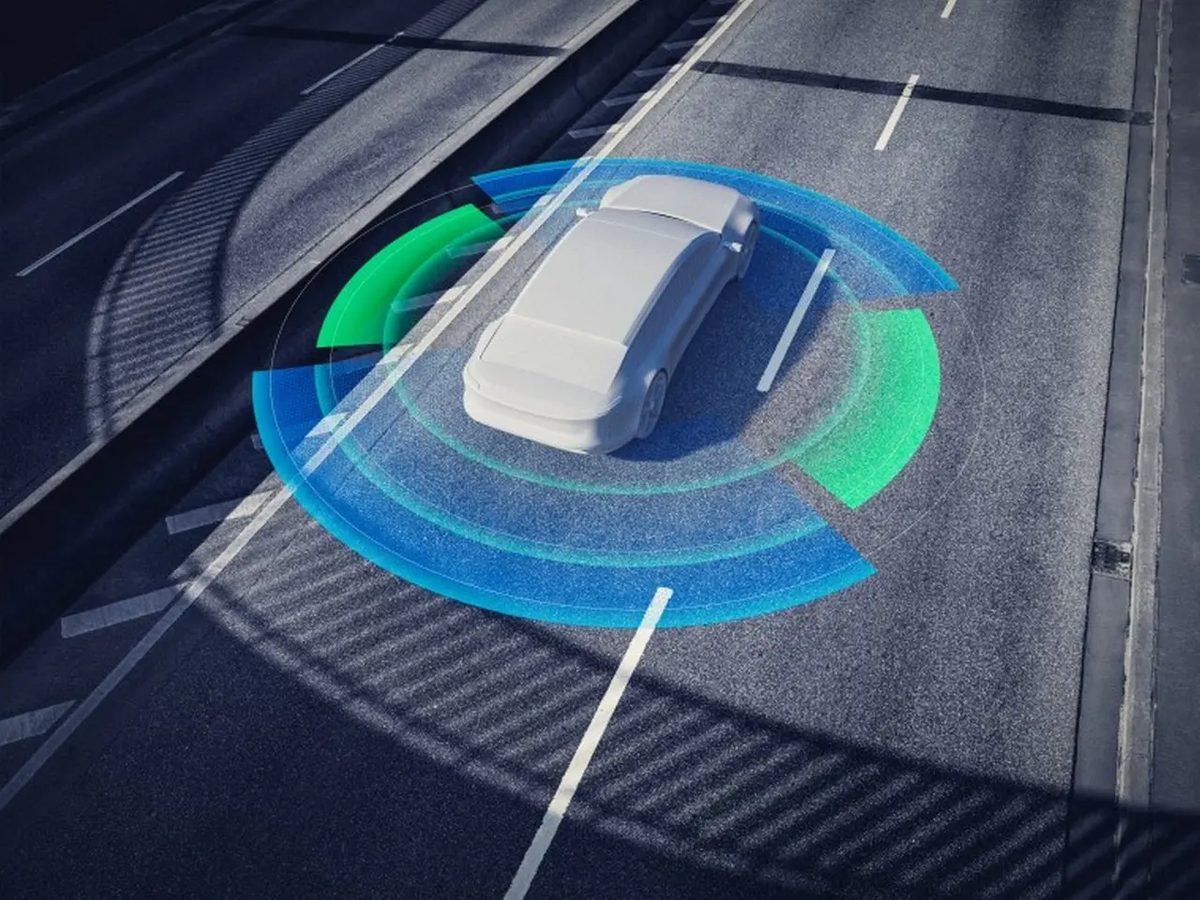
Volkswagen and Bosch officially ended negotiations and started construction. On Tuesday, two leading German companies announced a major partnership that aims to bring self-driving features to market starting in 2023. It’s not just about adjusting the driver assistance systems of the new Passat. This is a fundamental change in the way these companies approach code that controls modern vehicles.
The core of this work is carried out by Cariad, Volkswagen’s software subsidiary. In cooperation with Bosch, they are developing a function that allows drivers to temporarily take their hands off the steering wheel. Although the press release used polite business language, the reality is much simpler. These systems are designed to help the car handle steering in a short amount of time. Yes, these systems are not only found in VW badges. Because Bosch is a supplier of equipment to the entire industry, the underlying technology can spread to other manufacturers that use its equipment.
Beyond level 2 autonomy
The short-term goal is robust Level 2 autonomy. For the uninitiated, level 2 means that the car can steer and accelerate/brake simultaneously under certain conditions. However, drivers must remain focused. You can take your eyes off the road and check your phone, but your hands must be close to the steering wheel and your brain must be ready to intervene when your system reaches its limits.
These Level 2 features are designed for three different environments: city streets, country roads and highways. Covering these three aspects is a major technical hurdle. Driving in the city involves unpredictable pedestrians and sharp turns. Highways are structural, but require reliability at high speeds.
In addition to this, the partners also develop Level 3 systems especially for highway use. Level 3 is currently the gold standard in the luxury car segment. It allows the driver to take their eyes completely off from the road. You can also watch a movie or read a book (metaphorically speaking, but not in real life). The car is responsible. However, if the situation becomes too complicated, it will demand your attention. You have to be ready to regain control over a period of time.
There is also talk of assessing level 4 autonomy or complete autonomy, where the car handles everything in a designated area without human intervention. It remains to be seen if this will be implemented in mass production cars soon. Currently, the focus is on ensuring Level 2 and 3.
Data as the New Oil
This partnership is made possible by the vast amount of information available. Mathias Pillin, Bosch’s director responsible for IT solutions, emphasized that Bosch utilizes one of the world’s largest fleets of connected vehicles.
Think about it. Most car manufacturers are trying to reverse-engineer autonomy from scratch. Volkswagen has set up a huge real-life testing ground on the road. This provides a huge database that can take autonomous systems to the next level. Real-world edge cases like Munich’s oddly shaped potholes and confusing traffic patterns can be analyzed and programmed much faster than simulated environments.
Human and financial costs
Building this software is not cheap. More than 1,000 employees from both groups will join the partnership, including new employees. Although financial details of the deal were not disclosed, its size suggests a serious commitment of resources.
For Volkswagen, software is no longer a secondary issue. It is central to their future strategy. The company promises to invest 27 billion euros in software development by 2030