We have all been there. The trunk is full. The backseat is stuffed. You are trying to haul everything in one go because you are tired of making two trips. Maybe it is just a backpack. Maybe it is a cat that refuses to stay in its carrier. Or maybe it is a mountain of grocery bags that inevitably burst, spilling milk and crushing the oranges you were so proud to buy.
Human arms aren’t built for endless carrying. We drop things. We strain backs. We make mistakes.
Vehicles face the same physical limits. Just because you can stuff an SUV until the roof rack disappears doesn’t mean you should. Overloading a truck or car puts immense stress on the engine, transmission, suspension, and brakes. It turns a simple commute into a safety hazard for everyone sharing the road.
Knowing your payload capacity isn’t just about logistics. It is about survival.
Зміст
What Exactly Is Payload?
Payload is not just the stuff you throw in the back. It is everything carried by the vehicle beyond its own curb weight.
This includes:
– Cargo
– Passengers
– Fuel (once the tank is filled)
– Aftermarket accessories (like winches or heavy bumpers)
Most drivers forget one critical component. People count as payload.
If you have three adults and a kid in the back, that adds significant weight before you even load a single box. Ignoring passenger weight leads to overloading. And overloading leads to blown tires, failed transmissions, and longer stopping distances.
How to Calculate Your Vehicle’s Limits
You cannot guess this number. You must find it.
Check the Gross Vehicle Weight Rating (GVWR). This sticker is usually on the driver’s side door jamb. It states the maximum total weight the vehicle can safely carry.
Next, find your vehicle’s Curb Weight. This is the weight of the car with a full tank of fuel and no people or cargo.
Subtract the curb weight from the GVWR. The difference is your available payload.
Key Insight: Payload capacity = GVWR – Curb Weight.
Why This Matters for Your Next Load
When you exceed your payload limit, several things happen.
The suspension bottoms out. Handling becomes sluggish. Braking distance increases significantly. In extreme cases, tires blow out.
It is not just about breaking down. It is about causing an accident.
If you are towing, the equation changes. You now have to consider tongue weight and trailer payload. But even without a trailer, the rules apply.
Find your sticker. Do the math. Don’t assume your truck can handle more than it says. It cannot.
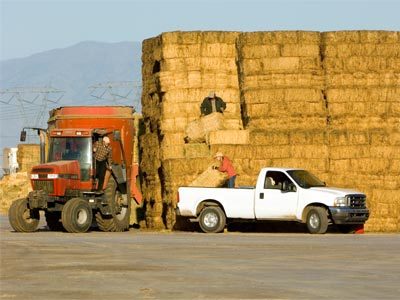
Figure out how much junk your rig can actually haul without blowing a gasket or voiding insurance. It boils down to two numbers. Ignore the rest.
First, find the Gross Vehicle Weight Rating (GVWR). This is the hard limit. The manufacturer sets it. It’s the max weight of the vehicle plus fluids, passengers, cargo, and tools. If you go over, you’re playing Russian roulette with your suspension and brakes. Look for the sticker on the driver’s side door jamb. Your owner’s manual has it too. Online databases list it if you’re lazy.
Then, find the Curb Weight. This is what the car weighs when it’s empty. No people. No boxes. Just the metal, glass, and a full tank of gas. Also includes oil and coolant.
Subtract curb weight from GVWR. The result is your payload capacity.
GVWR minus Curb Weight equals Payload Capacity
Let’s run the numbers. Say your sedan has a GVWR of 3,500 lbs. Its curb weight is 3,000 lbs. Do the math.
3,500 (GVWR) – 3,000 (Curb Weight) = 500 lbs
You have 500 pounds (227 kg) of payload capacity. That’s it. Fill up the tank, get in, load the gear. Do not exceed 500 lbs.
Does the type of vehicle matter? You bet it does. A compact hatchback won’t haul what a full-size pickup will. But the math stays the same. The limits change drastically.
Truck Payload
Trucks lie. They advertise huge towing capacities but often have pathetic payload limits. Don’t fall for it.
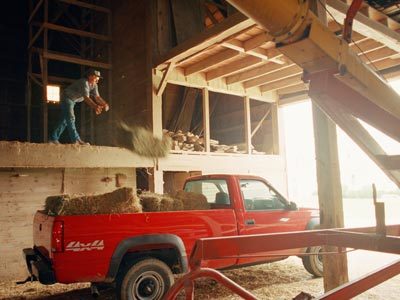
You wouldn’t stuff a 10-foot ladder into a compact sedan. It just doesn’t fit. Similarly, hauling twenty bags of mulch in a half-ton pickup is overkill. The cargo you load matters. For a car, payload is often luggage, passengers, and maybe a spare tire. For a truck, it’s heavier. Much heavier.
In the United States, trucks aren’t just grouped by size. They are strictly classified by their maximum gross vehicle weight rating (GVWR). There are two lenses you can use to view these ratings. Weight classes. And broader categories. They overlap. Both matter.
The government divides GVWR into eight distinct weight classes. Each step up adds significant carrying capacity.
The Eight Weight Classes
| Weight Class | GVWR |
|---|---|
| Class 1 | 6,000 pounds (2,722 kg) |
| Class 2 | 10,000 pounds (4,536 kg) |
| Class 3 | 14,000 pounds (6,350 kg) |
| Class 4 | 16,000 pounds (7,258 kg) |
| Class 5 | 19,500 pounds (8,845 kg) |
| Class 6 | 26,000 pounds (11,793 kg) |
| Class 7 | 33,000 pounds (14,969 kg) |
| Class 8 | Above 33,000 pounds |
The U.S. Department of Transportation (DOT) simplifies this further. They group these classes into three main buckets. Light-duty. Medium-duty. Heavy-duty.
Classes one and two are light-duty trucks. Think pickups you see in driveways. Classes three through five are medium-duty. These are the workhorses for local delivery and smaller commercial fleets. Anything from class six up is heavy-duty. These are big rigs. Semi-trucks. Dump trucks.
Knowing where your vehicle sits in this hierarchy helps you calculate how much truck payload you can safely carry. Overload a light-duty truck beyond its class limits, and you risk axle failure. Underload a heavy-duty rig, and you waste fuel. Precision matters.
How Much Can a Car Carry?
Unlike trucks, passenger vehicles don’t have eight classes. They have a single number stamped on a sticker inside the driver’s door jamb. Gross Vehicle Weight Rating (GVWR). This is the max safe weight of the vehicle plus everything in it.
To find your car’s actual payload capacity, subtract the vehicle’s curb weight (empty weight) from its GVWR. The difference is what you can add. Passengers. Cargo. Tow hitch. The math is simple. The margin for error is small.
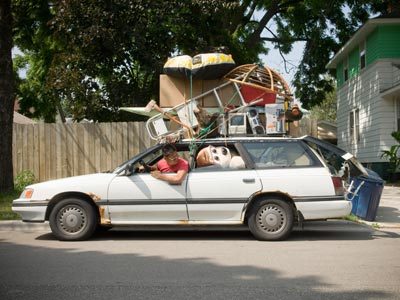
Truck drivers worry about payload. You don’t.
If you’re behind the wheel of a sedan or a coupe, the concept feels abstract. A father doesn’t stand by the trunk calculating if the luggage plus kids plus dog exceeds the GVWR. It just works. Car payloads are naturally lower than pickups. Anything heavy enough to dangerously exceed limits usually won’t fit inside the cabin anyway. Physics is on your side, mostly.
But there are real constraints. Your planning needs to account for one specific variable: people.
Passengers count as payload. Every single one.
Car manufacturers don’t guess. They use a standard calculation: 150 pounds (68 kg) per person per seating position. This is your baseline.
Think of every empty seat as a bucket of weight waiting to be filled. If your rear bench is designed for three adults but it’s sitting empty, you have 450 pounds (204 kg) of potential payload capacity sitting there. Unused.
Load that space with gear. Luggage. Sports equipment. Heavy coolers.
Once you hit that 450-pound mark, you’re approaching the edge. Things get shaky. Suspension compresses. Handling degrades. You’re no longer driving a car. You’re driving a loaded sled.
It’s not about overloading in the truck sense. It’s about realizing that “empty space” is actually “reserved weight.”
“Most car manufacturers factor in 150 pounds (68 kilograms) per person per seating position.”
Ignore this rule and you might find yourself sliding across the pavement on a rainy curve. Or worse, you’ll wear out your shocks in half the normal time.
Consider the difference between a sedan and an SUV. It’s not just ground clearance. It’s structural capacity.
SUV Payload
You might assume an SUV can carry far more weight than a car.
It can.
But the math changes. The higher center of gravity in an SUV makes payload distribution even more critical. A loaded SUV isn’t just heavy. It’s unstable.
How does payload work for these larger vehicles? That’s where the numbers get serious.
Next, we break down the specific limits that define safe loading for crossovers and SUVs. The gap between a car and an SUV isn’t just size. It’s engineering tolerance.
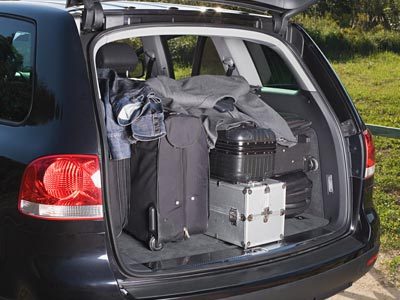
Think of an SUV payload as the awkward middle child of the automotive world. It’s not quite a pickup truck with its open-bed utility. It’s not a sedan with its refined, limited haulage. It sits somewhere in between.
The perception is that you get truck-like carrying capacity wrapped in car-like comfort. And yes, folding down the rear seats creates a cavernous space. You can stuff in kayaks, lumber, or heavy-duty gear that would choke a family sedan. But here is the catch.
You cannot treat an SUV like a work truck. The roof is there for a reason. It limits vertical stacking. More importantly, it changes the physics of the vehicle entirely.
The Physics of the Overload
SUVs have a reputation for being rugged. They go off-road. They haul gear. They feel safe because they are big. But that size is a liability when you ignore payload limits.
The center of gravity is the killer. In a car, it’s low. In an SUV, it’s high. Load that roof rack or fill the cargo area to the brim, and you raise that center of gravity even further.
Roll-over risk spikes. Dramatically.
When you overload an SUV, you aren’t just straining the suspension. You are destabilizing the chassis. The tires lose grip. The body rolls. One sharp correction and you are on your side. Manufacturers know this. That’s why they don’t just guess at limits.
The Label on the Doorjamb
Since September 2004, the National Highway Traffic Safety Administration (NHTSA) has mandated a specific piece of paperwork for every vehicle with a Gross Vehicle Weight Rating (GVWR) under 10,000 pounds.
That label is on your doorjamb.
It states the maximum combined weight of all occupants and cargo. Pay attention to that word “combined.” It doesn’t matter if your SUV can technically hold 2,000 pounds of steel. If you have five adults in the vehicle, you need to subtract their weight first.
$$ Payload Capacity = GVWR – Curb Weight – Occupant Weight $$
Ignore this math, and you are driving a missile. Electronic stability control helps. It can pull you back from the brink of a spin. But no computer can fix bad physics if you’ve exceeded the structural limits of the suspension.
Can You Increase It?
So, you’ve read the label. You’ve done the math. You still need to haul more than the sticker says you can.
Can you tweak the numbers?
The short answer is no. The long answer is complicated. You might find aftermarket lift kits. You might swap in heavier-duty shocks. You might even replace the rear springs with thicker blocks.
None of that changes the GVWR.
The Gross Vehicle Weight Rating is a hard limit set by the manufacturer. It accounts for the strength of the axle, the capacity of the tires, the braking performance, and the frame integrity. You cannot upgrade the brakes to match a heavier load without a complete system overhaul. And you certainly can’t strengthen the frame without a full structural rebuild.
Increasing payload capacity isn’t a bolt-on job. It’s a fundamental redesign.
Most people who try to bypass the limit do so by ignoring the occupants.
Pushing Past the Limits
You know the numbers. You checked the door jamb sticker. The payload capacity is set. But what if you’re staring at a rig you absolutely love and it just isn’t quite enough?
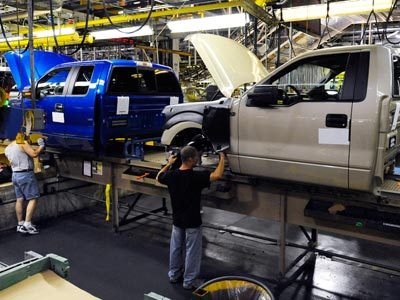
Truck makers don’t just leave you hanging. They offer optional towing packages. These aren’t just badges. They are mechanical upgrades. A standard tow package might swap out a standard hitch for a heavy-duty receiver. It adds a trailer wiring harness. It includes safety chains.
But the real work happens underneath. Manufacturers often install a bigger engine. Stronger brakes. A heavy-duty cooling system. The goal is increased performance. You get better towing capability. You get a vehicle that can handle the heat.
Overloading is not a suggestion. It is a liability. Put too much weight in a truck and you risk a blowout. You risk losing control. If a cop pulls you over, an overloaded vehicle is an easy ticket. Unsafely loading a vehicle is a specific citation in many states. No one wants that.
Finding Your Payload
Not every car has the same capacity. A small sedan holds less than a full-size SUV. The data below helps you find where your specific vehicle sits.
Browse by Make
– Acura
-
Audi
-
BMW
-
Buick
-
Cadillac
-
Chevrolet
-
Chrysler
-
Dodge
-
Ford
-
GMC
-
Honda
-
HUMMER
-
Hyundai
-
Infiniti
-
Isuzu
-
Jaguar
-
Jeep
-
Kia
-
Land Rover
-
Lexus
-
Lincoln
-
Mazda
-
Mercedes-Benz
-
Mercury
-
MINI
-
Mitsubishi
-
Nissan
-
Pontiac
-
Porsche
-
Saab
-
Saturn
-
Scion
-
smart
-
Subaru
-
Suzuki
-
Toyota
-
Volkswagen
-
Volvo
Acura Payload
Year
Model
Max Payload (lbs)
2006
MDX
RL
RSX
TL
TSX
2007
MDX
1158
RL
RDX
870
TL
TSX
850
2008
MDX
1158
RL
RSX
870
TL
TSX
850
2009
MDX
1158
RL
RSX
870
TSX
850
More Acura Specs:
-
Acura GVWR
-
Acura GAWR
-
Acura GCWR
-
Acura Cargo Carrying Capacity
-
Acura Curb Weight
-
Acura Towing Capacity
Audi Payload
Year
Model
Max Payload (lbs)
2006
A3
A4
A6
A8
1213
S4
TT
728
2007
A3
A4
A6
A8
Q7
RS4
S4
S6
S8
1213
2008
A3
A4
A5
A6
A8
Q7
R8
RS4
S4
S5
S6
S8
TT
2009
A3
A4
A5
A8
Q7
R8
S4
S5
S8
TT
More Audi Specs:
-
Audi GVWR
-
Audi GAWR
-
Audi GCWR
-
Audi Cargo Carrying Capacity
-
Audi Curb Weight
-
Audi Towing Capacity
BMW Payload
Year
Model
Max Payload (lbs)
2006
325
1058
330
1058
525
1102
530
1102
550
1102
650
838
750
1058
760
M3
M5
1058
M6
941
X3
1025
X5
Z4
551
Z4M
584
2007
328
926
335
1058
525
1102
530
1102
550
1102
650
838
750
1058
760
1058
Alpina B7
M5
M6
X3
X5
1113
Z4
551
Z4M
584
2008
128
882
135
882
328
926
335
1058
528
1102
535
1102
550
1102
650
838
750
1058
760
1058
Alpina B7
1213
M3
1014
M5
1058
X3
1036
X5
1113
X6
1190
Z4
551
Z4M
584
2009
128
882
135
882
328
1058
335
1058
528
1102
535
1102
550
1102
750
838
M3
1014
M5
1058
M6
941
X3
1036
X5
1290
X6
937
More BMW Specs:
-
BMW GVWR
-
BMW GAWR
-
BMW GCWR
-
BMW Cargo Carrying Capacity
-
BMW Curb Weight
-
BMW Towing Capacity
Buick Payload
Year
Model
Max Payload (lbs)
2006
LaCrosse
Lucerne
Rainier
1069
Rendezvous
Terraza
2007
LaCrosse
Lucerne
Rainier
1069
Rendezvous
Chevy’s Heavy Lifting
The numbers don’t lie. If you are hauling gear, people, or parts, payload matters more than towing capacity. One gets you there. The other keeps you from breaking an axle. Here is how the 2006 to 2009 Chevrolet lineup stacked up when the scale went down.
The HD Giants
Heavy Duty trucks were the kings of this era. They didn’t just carry weight. They ignored it. The 2006 Silverado 3500 HD maxed out at 5169 lbs. That is half a ton. Pure muscle. The 2500 HD wasn’t far behind at 3606 lbs.
By 2009, the 2500 HD dipped slightly to 3480 lbs. The 3500 HD settled at 3873 lbs. It dropped from the 2006 peak, but it was still carrying more than most SUVs could dream of. The Silverado 1500 was the workhorse of the half-ton class. In 2006, it hit 1913 lbs. By 2009, it was steady at 1652 lbs.
“Payload is what you sit on. Towing is what you pull behind you. Don’t mix them up.”
SUVs and Vans
The Suburban was a beast. In 2006, the 1500 model handled 1731 lbs. The 2500 version? 2828 lbs. That is a lot of luggage. The Tahoe was smaller but still capable. 2009 saw it at 1835 lbs.
Vans were different. The Express 2500 was a sleeper hit. It carried 3262 lbs in 2009. The 3500? 4147 lbs. You could fit a small team in there and their gear. The HHR was tiny by comparison. A meager 900 lbs across all three years. Don’t put a motorcycle in it unless you want to break the floor.
Light Duty Trucks
The Colorado was the compact option. It hovered around 1316 lbs in 2007 and 2008. By 2009, it dropped to 1250 lbs. The Avalanche 1500 was inconsistent. It jumped from 1258 lbs in 2007 to 1444 lbs in 2008. Then dropped back to 1333 lbs in 2009. It always felt like it was figuring itself out.
TrailBlazers were modest. 1194 lbs for years. Reliable, but not impressive. The Equinox? No data listed. Maybe it was too light to matter. Or maybe Chevy just didn’t publish it for those years.
Chrysler’s Quiet Era
Chrysler didn’t play in the heavy payload league. These were family haulers and sedans. They carried passengers. Not pallets.
The PT and the Town & Country
The PT Cruiser was the outlier. In 2007, it could handle 1907 lbs. That is surprisingly high for a retro hatchback. By 2008, it dropped to 889 lbs. Why? Maybe they changed the bumper. Or the suspension. It stayed at 889 lbs into 2009. Wait, the 2009 PT Cruiser has no data listed. It vanished from the payload list entirely.
The Town & Country minivan was steady. 1200 lbs in 2007 and 2008. By 2009, it disappeared from the list too. Did Chrysler stop counting? Or did the cars just get too heavy themselves to carry anything?
The Aspen and Pacifica
The Aspen SUV was a brute for its time. It held steady at 1600 lbs from 2007 to 2009. The Hybrid version dropped to 1500 lbs. Batteries add weight. They subtract payload. Fair trade.
The Pacifica minivan was weak. 889 lbs in 2007. 865 lbs in 2008. It struggled. The 300 sedan? No payload listed. It was a cruiser. You sat in it. You didn’t load it down.
Dodge’s Muscle and Might
Dodge sat between Chrysler and Ford. It had muscle cars. It had trucks. And it had Sprinter vans that could carry a small house.
Sprinter Dominance
The Sprinter Wagon 2500 was a legend. In 2006, it carried 4824 lbs. That is insane. By 2007, it dropped to 3074 lbs. Why the drop? Maybe the trim changed. Or the engine. It stayed at 3074 lbs through 2009.
The Sprinter Van 3500 was a beast. 2006: 3950 lbs. 2009: 4530 lbs. It gained payload over time. That is progress. The Ram 3500 was the truck counterpart. 2006: 4660 lbs. 2009: 3560 lbs. It lost capability. Something happened in those three years.
Ram and Dakota
The Ram 1500 was inconsistent. 2006: 1750 lbs. 2008: 1810 lbs. 2009: 1490 lbs. It dropped hard. Did they add more safety gear? Or just weight? The Dakota was similar. 1750 lbs in 2006. 1630 lbs in 2008 and 2009.
The Durango held steady at 1750 lbs in 2006 and 2007. Then jumped to 1780 lbs in 2008 and 2009. Small gains. But gains. The Nitro was a compact SUV. It maxed out at 1150 lbs. Don’t expect to tow a boat with it.
Ford’s Fleet
Ford was everywhere. Vans. Trucks. SUVs. Sedans. They had payload for every need. And most of it was higher than the competition.
E-Series and F-Series
The E-350 Super Duty was a tank. 2006: 4165 lbs. 2007: 4200 lbs. 2009: 4060 lbs. It stayed in the high 4000s. The F-350 was similar. 4000 lbs in 2006 and 2007. It dipped to 3900 lbs in 2008 and 2009.
The F-150 was the best seller for a reason. 2006: 1640 lbs. 2007: 1650 lbs. Then it jumped. 2009: 3030 lbs. That is a massive increase. Did they redesign the frame? Or just add a ton of steel? It doubled its capacity.
SUVs and Crossovers
The Expedition was solid. 1822 lbs from 2007 to 2009. The Explorer was steady at 1520 lbs. The Escape was light. 960 lbs. The Hybrid was slightly heavier at 1040 lbs. Batteries again.
The Edge was tiny. 1011 lbs across all years. It was a crossover. Not a hauler. The Taurus X? No data. It was probably too new or too niche.
The Ranger
The Ranger was consistent. 1260 lbs for four straight years. 2006 to 2009. It didn’t change. It didn’t improve. It just worked. Sometimes you don’t need more. You just need enough.
GMC’s Twin Strategy
GMC was Chevy’s upscale twin. Same trucks. Same vans. Different badges. The numbers were almost identical. Because they were the same vehicles.
Sierra and Canyon
The Sierra 3500 was the king in 2009. 4812 lbs. It jumped from 3892 lbs in 2007 and 2008. What happened? A redesign? A stronger frame? It almost doubled its payload in one year.
The Sierra 1500 was steady. 1952 lbs in 2007. 1947 lbs in 2008. 1842 lbs in 2009. It dropped. But it was still a strong half-ton. The Canyon was the mid-size option. 1547 lbs for three years. Then dropped to 1422 lbs in 2009.
Yukon and Savana
The Yukon XL was the big SUV. 1731 lbs in 2006. 1593 lbs in 2007. 1592 lbs in 2008
Honda Payload Capacity Breakdown (2006-2009)
Data gaps in Honda’s early mid-2000s lineup are frustrating. The Accord, CR-V, and Pilot entries for 2006 through 2009 often show up as blank in manufacturer specs. You have to dig deeper or estimate based on curb weight and gross vehicle weight rating (GVWR) if you need those exact numbers.
The Ridgeline and Odyssey were the workhorses here. The 2006-2009 Odyssey consistently handled 1349 lbs. It’s a minivan, so carrying that weight isn’t a surprise. The Ridgeline was even stronger, clocking in at 1549 lbs for the 2006-2008 model years.
Smaller cars struggled more. The 2007 and 2008 Civic managed 385 lbs. That’s tight. If you’re loading the trunk with tools or gear, you’re hitting that limit fast. The Element offered a bit more room, sitting at 675 lbs for the 2007-2008 models. The Insight was an anomaly, listing 400 lbs in 2006. Most other Honda sedans and coupes like the S2000 or Accord Hybrid don’t have public max payload figures readily available in these specific year ranges.
HUMMER Payload Ratings (2006-2009)
Hummer’s payload numbers tell a story of heavy steel and heavy-duty frames. The H2 started empty in 2006 and 2007 specs, but by 2008, it showed a 2200 lbs capacity. That’s serious muscle. It stayed there through 2009.
The H3 was lighter but still capable. It held 1150 lbs from 2006 through 2008. In 2009, it bumped up to 1312 lbs. The H3T, the pickup version, sat at 1090 lbs in 2009. If you’re comparing 2008 HUMMER payload capacity, the H2 clearly dominates the H3 in raw weight handling.
Hyundai Payload Specs (2006-2009)
Hyundai’s data is sparse. For the 2006-2009 period, most entries—Accent, Azera, Elantra, Santa Fe, Sonata, Tiburon, Tucson, Veracruz—are marked with dashes. No max payload figures are listed in the standard source data.
The Genesis appeared in 2009, also with no listed payload number. This suggests Hyundai either didn’t publish these specific metrics for these model years in the same way they did for their trucks or vans, or the data simply isn’t tracked in this specific format. If you own a 2007 Hyundai Veracruz or a 2008 Santa Fe, you’ll need to calculate payload manually using GVWR minus curb weight.
Infiniti Payload Capacity (2006-2009)
Infiniti’s luxury SUVs and sedans show consistent, albeit modest, payload limits. The FX35 and FX45 held steady at 1183 lbs and 1091 lbs respectively from 2006 to 2008. In 2009, the FX35 bumped to 1213 lbs, and the new FX50 came in at 1185 lbs.
The M-series sedans had specific ratings in 2008: M35 at 996 lbs and M45 at 1010 lbs. The QX56 was the strongest performer, jumping from 1440 lbs in 2006 to 1553 lbs in 2008 and 2009. The G35 and G37 were lighter, with the G37 in 2008 rated at 1040 lbs.
Isuzu Payload Limits (2006-2009)
Isuzu’s lineup shrunk quickly during these years. The Ascender remained static at 1133 lbs from 2006 through 2008.
The i-series trucks saw a decline in capacity. The i-280 and i-290 started strong at 1532 lbs in 2006 and 2007, but dropped to 1512 lbs in 2008. The i-350 started at 1190 lbs in 2006, rose to 1516 lbs in 2007, then fell to 1260 lbs in 2008. The i-370 appeared in 2007 at 1516 lbs and dropped to 1260 lbs in 2008. Isuzu exited the US passenger car market soon after this period, so these numbers are the final word on their capacity.
Jaguar Payload Ratings (2006-2009)
Jaguar’s luxury sedans and coupes have low payload capacities. The XKR and XKR Coupe are at the bottom, sitting at 772 lbs and 815 lbs respectively in 2008 and 2009. The XK Coupe in 2008 is listed at 815 lbs.
The X-Type was consistent at 1058 lbs from 2006 to 2008. Most other models—S-Type, XJ8, XJR, XK (non-Coupe)—show no data. The XF debuted in 2009 with no listed payload. If you need to know Jaguar payload capacity for the XKR, 772 lbs is the hard limit for the 2008 and 2009 models.
Jeep Payload Capacity (2006-2009)
Jeeps vary wildly by model and year. The Commander dropped from 1620 lbs in 2006 to 1310 lbs in 2007, then stabilized at 1300 lbs for 2008 and 2009.
The Grand Cherokee fell from 1100 lbs in 2006 to 1050 lbs in 2007, then rose to 1180 lbs for 2008 and 2009. The Liberty stayed flat at 1150 lbs across all four years.
The Wrangler and Wrangler Unlimited increased over time. Starting at 800 lbs in 2006, the Wrangler hit 1000 lbs from 2007-2008, and the Unlimited version bumped to 1150 lbs in 2009. The Compass and Patriot held steady at 925 lbs once introduced.
Kia Payload Specs (2006-2009)
Kia’s crossovers and SUVs handled more weight than their sedans. The Sedona was a top performer, holding 1532 lbs from 2007 to 2008. The 2009 Borrego jumped significantly to 1815 lbs.
The Rio and Rio 5 stayed consistent at 1273 lbs and 1200 lbs respectively. The Sorento fluctuated: 1202 lbs in 2006, 1318 lbs in 2007, and 1277 lbs in 2008. The Sportage ranged between 1195 lbs and 1289 lbs.
Most sedans (Amanti, Optima, Spectra, Spectra 5) have no listed payload. The Rondo also lacks data. For 2009 Kia payload capacity, the Borrego is the clear leader at 1815 lbs.
Land Rover Payload Ratings (2006-2009)
Land Rover’s SUVs have high payload limits. The LR3 started at 1806 lbs in 2006, dropped to 1695 lbs in 2007, and settled at 1325 lbs for 2008 and 2009.
The Range Rover and Range Rover Sport saw declines. The Range Rover went from 1360 lbs (2006-2007) down to 1136 lbs (2008-2009). The Range Rover Sport started at 1301 lbs and fell to 1067 lbs in 2009.
The new LR2 model in 2008 and 2009 was rated at 1100 lbs. If you are comparing 2006 Land Rover payload capacity, the LR3 is the winner with **180
Mazda Payload Capacities
The mid-2000s Mazda lineup was a study in contradictions. You had the utilitarian B-series trucks sharing bones with Ford’s Ranger, while the passenger cars sat somewhere between sporty coupes and family haulers. If you are loading up a 2006 Mazda B3000, you are looking at a max payload of 1680 lbs. That is the king of the 2006 roster. The B2300 and B4000 share a lower limit of 1260 lbs. The passenger cars take a hit. The Mazda3 has no listed payload, likely because it was designed as a lightweight commuter. The Mazda5 minivan carries 1239 lbs. The Mazda6 sedan pushes 1319 lbs, but if you bought the MazdaSpeed6, that number plummets to 963 lbs due to the heavy brakes and turbo components.
2007 brought the CX-7, but there is no payload listed for it. The CX-9 SUV handles 1493 lbs. The Mazda6 drops slightly to 1080 lbs. The RX-8 loses a pound, sitting at 765 lbs. The MX-5 Miata is tight at 637 lbs.
By 2008, the CX-9 and CX-7 disappear from the list. The Mazda5 payload drops to 1191 lbs. The Mazda6 recovers slightly to 1087 lbs. The MX-5 dips to 633 lbs. The Tribute hybrid offers 1083 lbs, edging out the standard Tribute at 1057 lbs.
2009 is a sparse year for Mazda data. The B2300 drops to 1200 lbs. The B4000 holds at 1260 lbs. The Mazda3, CX-7, CX-9, and Tribute all show dashes. The Mazda5 stays at 1191 lbs. The Mazda6 falls further to 1082 lbs. The RX-8 is down to 754 lbs.
“If you are carrying heavy gear in a MazdaSpeed6, you are cutting into your fuel efficiency and handling margin significantly.”
Mercedes-Benz Payload Capacities
Mercedes in the mid-2000s was all about the SUV and the heavy-duty truck. The sedans often show dashes for payload, suggesting that for many daily drivers, the focus was on curb weight and towing rather than cargo limits. In 2006, the ML350 handles 1616 lbs. The ML500 is lighter at 1496 lbs. The R-Class large crossover carries 2000 lbs.
2007 introduces the GL series. The GL320 carries 1086 lbs. The GL450 jumps to 1620 lbs. The ML320 is 1422 lbs. The ML350 rises to 1635 lbs. The ML500 matches the GL450 at 1620 lbs. The ML63 AMG drops to 1257 lbs, weighed down by its performance components. The G500 sits at 1289 lbs. The R-Class is 1635 lbs. The SLR McLaren is surprisingly low at 626 lbs.
2008 sees the G500 payload jump to 1764 lbs. The G55 is 1433 lbs. The GL450 and GL550 both handle 1620 lbs. The ML320, ML350, and ML550 all hold steady around 1620-1635 lbs. The SLR McLaren crashes to 342 lbs. The E-Class holds at 1157 lbs.
2009 data is limited. The E-Class remains at 1157 lbs. The GL450 and GL550 are 1620 lbs. The ML320, ML350, and ML550 are around 1422-1635 lbs. The ML63 AMG is 1300 lbs. The R-Class drops to 1365 lbs. Most sedans, including the S-Class and CLS 550, have dashes.
Mercury Payload Capacities
Mercury was essentially Ford with different badges, and the payload numbers prove it. The Grand Marquis, Milan, and Sable all show dashes. The Mariner SUV carries 1075 lbs in 2006 and 2007. The Mariner Hybrid is lighter at 920 lbs. The Monterey minivan holds 1320 lbs. The Mountaineer SUV starts at 1549 lbs in 2006, then drops to 1443 lbs for 2007, 2008, and 2009.
MINI Payload Capacities
MINI was keeping it small. The Cooper Convertible carries 771 lbs. The Cooper Hardtop holds 816 lbs. The Cooper Clubman, introduced in 2008, also carries 816 lbs. The John Cooper Works versions, both Hardtop and Clubman, also sit at 816 lbs. There is little variation because the chassis is so rigid and lightweight.
Mitsubishi Payload Capacities
Mitsubishi had some heavy hitters in the truck department. The Raider, a rebadged Toyota Tundra, carries 1590 lbs in 2006. The Outlander SUV is lighter at 904 lbs. The Eclipse coupe carries 794 lbs. The Galant sedan is 969 lbs. The Lancer is 981 lbs. The Endeavor SUV holds 1055 lbs. The Montero SUV carries 1165 lbs.
2007 saw the Outlander payload jump to 1538 lbs. The Raider drops slightly to 1580 lbs. The Galant falls to 937 lbs. The Eclipse stays at 794 lbs. The Endeavor holds at 1055 lbs.
2008 is odd. The Outlander drops back to 1169 lbs. The Lancer jumps to 1157 lbs. The Eclipse remains at 794 lbs. The Galant is 937 lbs. The Endeavor is 1055 lbs. The Raider holds at 1580 lbs.
2009 is sparse. The Eclipse rises to 827 lbs. The Galant is 981 lbs. The Lancer holds at 1157 lbs. The Endeavor, Lancer Evolution (not listed separately here), and other models have dashes.
Nissan Payload Capacities
Nissan had a wide spread. The 350Z is tiny at 553 lbs. The Altima sedan starts at 1199 lbs in 2006, rises to 1240 lbs in 2007, then disappears from the list in 2008 and 2009. The Altima Hybrid holds steady around 1053-1065 lbs. The Armada SUV starts at 1693 lbs, then drops to 1453 lbs in 2008 and 2009.
The Frontier truck holds 1464 lbs across 2007, 2008, and 2009. The Maxima drops from 1073 lbs to 999 lbs. The Murano is 1050 lbs, then jumps to 1188 lbs in 2009. The Pathfinder holds 1424 lbs, then jumps to 1554 lbs in 2008 and 2009.
The Quest minivan holds around 1203-1204 lbs. The Sentra drops from 1036 lbs to 696 lbs, then 652 lbs. The Titan truck jumps from 1549 lbs to 2063 lbs in 2008 and 2009. The Xterra holds 1138 lbs. The Rogue minivan/SUV holds 953 lbs in 2008 and 2009. The GT-R has a dash.
Pontiac Payload Capacities
Pontiac was dying. The G6 had a massive payload of 3117 lbs in 2006, then disappears. The Montana SV6 minivan carries 1246 lbs. The Torrent SUV holds 1468 lbs, then drops to 1410 lbs in 2008 and
Payload isn’t just about how much stuff you can shove in the back. It’s a hard limit. Exceed it and you compromise handling, braking, and safety. We are looking at specific model years from 2006 to 2009 here. These numbers come from manufacturer specs. They are not suggestions.
Saturn Payload
Saturn was on its way out by this time. The lineup was thinning. The Relay minivan and VUE crossover carried the heaviest loads.
In 2006, the Relay handled 1350 lbs. The VUE came in at 1331 lbs. The Ion? Zero listed payload. It was a small car. Not built for cargo.
By 2007, Saturn added the Aura. It’s a sedan. Rated for 1009 lbs. The hybrid version of the Aura has no listed payload data. The Outlook, a rebadged Buick Enclave, could haul 1678 lbs. That was Saturn’s biggest hauler. The Relay got a slight bump to 1354 lbs. The VUE stayed steady at 1331 lbs. But the VUE Hybrid dropped the curb weight slightly? No, the payload actually increased to 1511 lbs. Lighter battery pack maybe? Or better engineering. Doesn’t matter. It carries more.
2008 brought the Astra. A small import-style hatchback. Payload dropped to 893 lbs. The Aura stayed at 1009 lbs. The Outlook held 1678 lbs. The Sky convertible? Still nothing. Small roadsters don’t do payload. The VUE saw a significant drop. From 1331 down to 1000 lbs. The VUE Hybrid also dropped to 1111 lbs. Why the cut? Maybe heavier components or revised suspension tuning.
2009 was the final gasp. The Astra disappeared from the list. The Outlook pushed to 1709 lbs. A nice final push. The VUE and VUE Hybrid stayed at 1000 and 1111 lbs respectively. The Sky? Still empty.
More Saturn Specs:
- Saturn GVWR
- Saturn GAWR
- Saturn GCWR
- Saturn Cargo Carrying Capacity
- Saturn Curb Weight
- Saturn Towing Capacity
Scion Payload
Scion was Toyota’s youth brand. The cars were cheap. Light. And practically empty of payload capacity.
Look at the data for 2006, 2007, 2008, and 2009.
tC coupe? No data.
xA hatch? No data.
xB boxy wagon? No data.
xD subcompact? No data.
It’s all dashes. Scion didn’t publish max payload for these models in this dataset. They were designed for style and urban commuting, not hauling drywall. If you need payload, don’t buy a Scion. Buy a Toyota Camry. It’s the same car underneath.
More Scion Specs:
- Scion GVWR
- Scion GAWR
- Scion GCWR
- Scion Cargo Carrying Capacity
- Scion Curb Weight
- Scion Towing Capacity
smart Payload
The smart fortwo is a micro-car. Two seats. Tiny engine. Tiny payload.
In 2008, the fortwo max payload was 463 lbs. That includes the driver and any passengers. You want to put a large person in there? You’ve got 300 lbs left. Maybe a backpack. Don’t try to fit a sofa. The structural integrity won’t survive.
More smart Specs:
- smart GVWR
- smart GAWR
- smart GCWR
- smart Cargo Carrying Capacity
- smart Curb Weight
- smart Towing Capacity
Subaru Payload
Subaru built cars for bad weather and light adventure. The payload numbers reflect that. They aren’t trucks.
The 2006 B9 Tribeca was a standout. 1560 lbs payload. A mid-size SUV. It could handle a family and gear. The Baja, a pickup-crossover hybrid, managed 1070 lbs. The Forester? 1060 lbs. The Impreza WRX STI? A mere 794 lbs. Turbocharged performance cars are heavy. They carry less.
The Outback and Legacy sedans sat comfortably between 1200 and 1300 lbs. Good for luggage.
2007 saw the Tribeca hold firm at 1560 lbs. The Forester dropped to 1010 lbs. The Legacy sedan dropped significantly to 1055 lbs. The Outback also dipped to 995 lbs. Why? Heavier emissions equipment? Heavier safety cages? The WRX STI reappeared in 2008 with 1080 lbs payload. Better than the 2006 model.
The Tribeca crashed in 2008 and 2009 to just 660 lbs. That’s a massive drop. The vehicle likely gained significant weight from revisions or safety updates that ate into the payload budget. If you own a 2009 Tribeca, you aren’t hauling much.
The Forester bounced back in 2009 to 1230 lbs. The Outback sat at 1078 lbs. The Legacy held at 1055 lbs.
More Subaru Specs:
- Subaru GVWR
- Subaru GAWR
- Subaru GCWR
- Subaru Cargo Carrying Capacity
- Subaru Curb Weight
- Subaru Towing Capacity
Suzuki Payload
Suzuki was niching down. The XL7 was their workhorse. The rest were compact cars.
In 2006, the XL7 handled 1168 lbs. The Grand Vitara was close at 1175 lbs. The Forenza and Aerio were around 950 lbs. The Verona? No data. It was rare.
2007 was weird. Most models have zero payload listed. The XL7 jumped to 1626 lbs. A huge number. Did they lighten the car? Or did they inflate the GVWR? The other models just vanished from the list. No data.
2008 saw the return of data for some models. The Forenza dropped to 926 lbs. The Reno also 926 lbs. The Grand Vitara held at 1178 lbs. The SX4 dropped to 893 lbs. The XL7 stayed high at 1626 lbs.
2009 was the end. The Equator and Grand Vitara have no data. The SX4 held at 893 lbs. The XL7? Gone. No data. It looks like Suzuki stopped reporting or stopped selling these specs as they exited the US market.
More Suzuki Specs:
- Suzuki GVWR
- Suzuki GAWR
- Suzuki GCWR
- Suzuki Cargo Carrying Capacity
- Suzuki Curb Weight
- Suzuki Towing Capacity
Toyota Payload
Toyota is reliable. And their payload numbers are consistent.
The Tundra pickup was the king. 2006 saw it at 1835 lbs. The Highlander hybrid? 1605 lbs. The Highlander gas? 1840 lbs. You can put a lot in a Highlander.
The Sienna minivan started at 1570 lbs in 2006. Dropped to 1420 in 2007 and 2008. Then jumped to 1513 in 2009. Fluctuations based on engine options and trim levels likely.
The Tacoma pickup stayed steady around 1540 lbs, dipping to 1415 in 2008 before returning to 1540 in 2009.
The Prius was light. 1085 lbs in 2006. Then it dropped to 863 lbs in 2007 and 2008. The battery pack got heavier or the car got heavier. You can’t put much in a Prius without feeling it.
The 4Runner held steady at 1285 lbs from 2006 to 2009. A solid mid-size SUV payload.
The Land Cruiser improved. 1500 lbs in 2006. 1585 lbs in 2008 and 2009.
The Sequoia dropped from 1510 lbs to 1280 lbs in 2008. Then stayed there.
The Matrix held at 1166 lbs until it disappeared from the list in 2009.
The Venza debuted in 2009 with