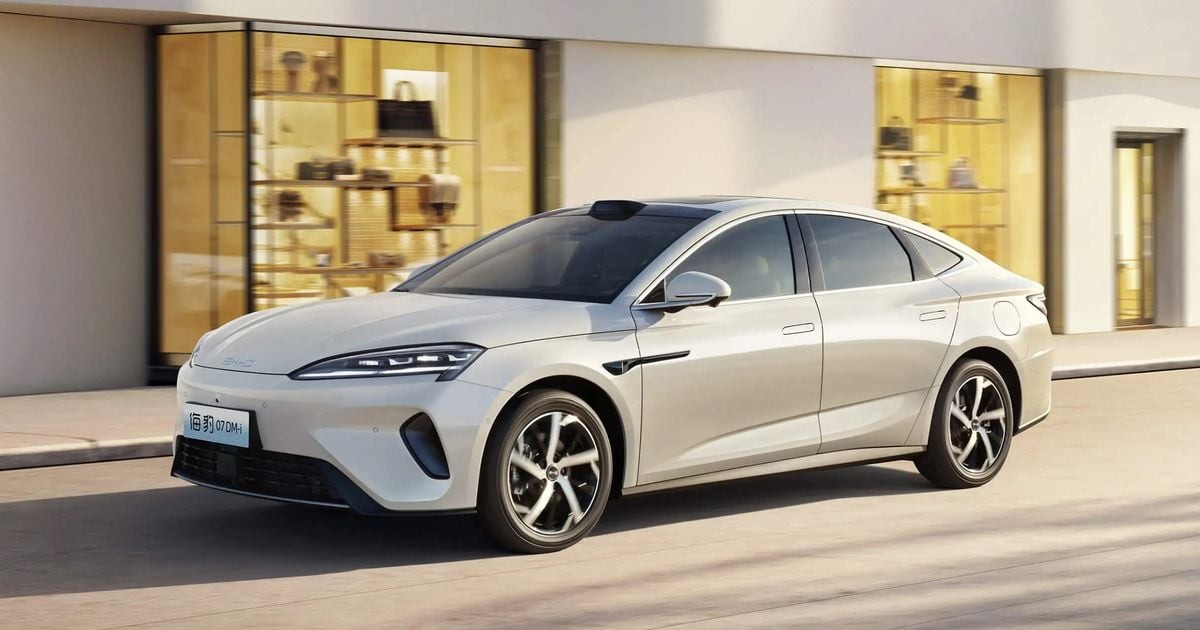
The Seal 6 is here. Barely. It is BYD’s first plug-in hybrid sedan to actually touch Australian soil, the plug-in hybrid leader’s debut in this segment, but we’re hardly done. The Seal 7 is already sitting in the Australian government’s approval database, waiting its turn, the paperwork shows it comes with a turbocharged 1.5-liter four-cylinder powertrain that makes 197kW. We asked BYD Australia when this thing lands, because it has been selling in China since 2023, but silence so far.
Зміст
Bigger than it ought to be
Dimensions tell a story. 4980mm length. 1890mm width. 1495mm height, on a 2900 wheelbase. That is 60mm longer than a Camry. 50mm wider, 50mm taller, on a 2827 wheelbase that eats space like a hungry thing. Compared to the Seal 6? Add 140mm of length. Add 15mm of width, add 110mm of wheelbase. It grows fast.
Paperwork is thin on specs though. Battery capacity, range, efficiency metrics – absent. But we know China’s version, called the Seal 07 DM -i, offers two lithium iron phosphate batteries: 17.6 kWh or 29.5 kWh, rounded, both LFP, both modest compared to some pure EVs but fine for daily commuting, or at least that is the pitch. Electric range under WLTC: 110 km or 180 km. The petrol engine does 115 kW, 225 Nm of torque. The electric motor adds 200 kW and 315 Nm, together they move mass, smoothly or not. There is a softer sibling too, using a naturally aspirated engine instead of the turbo. Less punch. Quieter perhaps, cheaper likely, though the paperwork here stays mum on local trims.
Front-wheel drive, MacPherson struts up front, five-link out back. Adaptive dampers, called DiSus-C, live with the turbo version, turning bumps into something tolerable if you like firm setups, or softer if you dial them in right, maybe.
Charge. Drain. Repeat
Charging speeds vary by pack size. The small one pulls DC up to 40 kW, the large one claims up to 69 kW, both offer 7 kW AC, which feels slow these days unless you plug in at home while sleeping, or maybe during lunch breaks, depending on how many stops you take. Both batteries also feature vehicle-to-load output, which is nice when you’re camping and refuse to bring a generator.
Inside the bubble
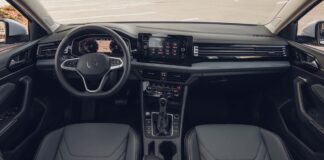
Screens everywhere, naturally. 15.6 inches of infotainment real estate dominates the dash. A 10.25 instrument cluster watches over your gauges. Ambient lighting changes color, probably in steps that matter only to some, while others will just pick white and forget it. Wireless charging pad? Yes. Panoramic glass roof with a sunshade? Also yes, because sun blindness is real in this climate. Leather seats adjust electronically, they heat and they ventilate, which helps when the summer arrives early or traffic crawls through city centers, which it often does, especially during school hours, especially if someone decides to merge wrong.
Flagship cars get head-up displays. Heated steering wheels for winter mornings that bite at fingers, a refrigerator built into the console that can chill drinks or warm up leftovers, which feels odd but useful, or gimmicky depending on your cynicism level. There are sentinel and rest modes. Baby mode, presumably locks things down when little eyes watch. Car wash mode shuts vents maybe? In-car karaoke exists because someone asked for it. Modes proliferate, functions stack up, screens glow at night.
Safety tech runs deep under the DiPilot banner. Level 100 brings remote parking assistance and most standard driver aids you expect these days, adaptive cruise, lane centering, collision mitigation, that usual suite of radar and cameras talking to each other constantly. Step up to DiPilot 30?0, well, thirty, on the flagship, adds LiDAR for sharper mapping of the road ahead, which may mean better lane keeping on highway ramps, maybe smoother handoff during highway exits, perhaps, though nobody has tested the Australian model yet so claims remain speculative at best.
Why so many Seals?
BYD’s naming convention feels like a puzzle someone left out in the rain. You’ve got the all-electric Seal sedan here. The Seal 6 comes in PHEV forms as sedan and wagon, which already confuses the alphabet. Back home, they sell a hatch called Seal 06 GT. There’s another electric Seal 6 variant, different platform than its hybrid cousin. The entry-level Seal 05? DM-i rounds out the lower tier. This year, the brand showed the flagship Seal 0?8 in electric and plug-in variants plus a pure-EV Seal 7? that uses 24?0 kW, 3?0?5 Nm, single rear motor, and 6?.07? kWh battery. Numbers blur, model lines overlap, the Ocean series swallows everything into itself.
Originally called the Destroy?er 0?7 in prototype guise, which sounded cool if not exactly refined, it became the Seal D?M-i before morphing into Seal ?07 DM? -i in China. The 202?5 facelift ties styling to other Ocean vehicles, like the local all-electric Seal, creating family resemblance where none existed before. Grille shape changes? Lighting signature sharpens. Lines tidy up, maybe slightly too neatly for some who prefer aggression, but the point is cohesion across the lineup.
Launch date for the PHEV version? Still unconfirmed. Battery choice for Australia? Unknown. Trim structure? Blank slate on the page, really, or so it appears. One thing certain, though. The range expands faster than most can track. Do we really need another sedan so soon, or will it simply slot into a gap few knew existed until now? Hard to say. The paperwork is in. The cars sit in China waiting for shipping containers that arrive quietly, almost unnoticed, while drivers keep asking the same questions in showrooms, which version makes sense, which screen works best at night, does the fridge keep beer cold, what happens if the radar fails during a downpour, nobody answers yet. Maybe tomorrow.