Forget the SUVs. The big machines. The things with screens bigger than a dining table. Stellantis is looking down. Way down.
Starting in 2028. Italy. They’re making small electric cars. Again.
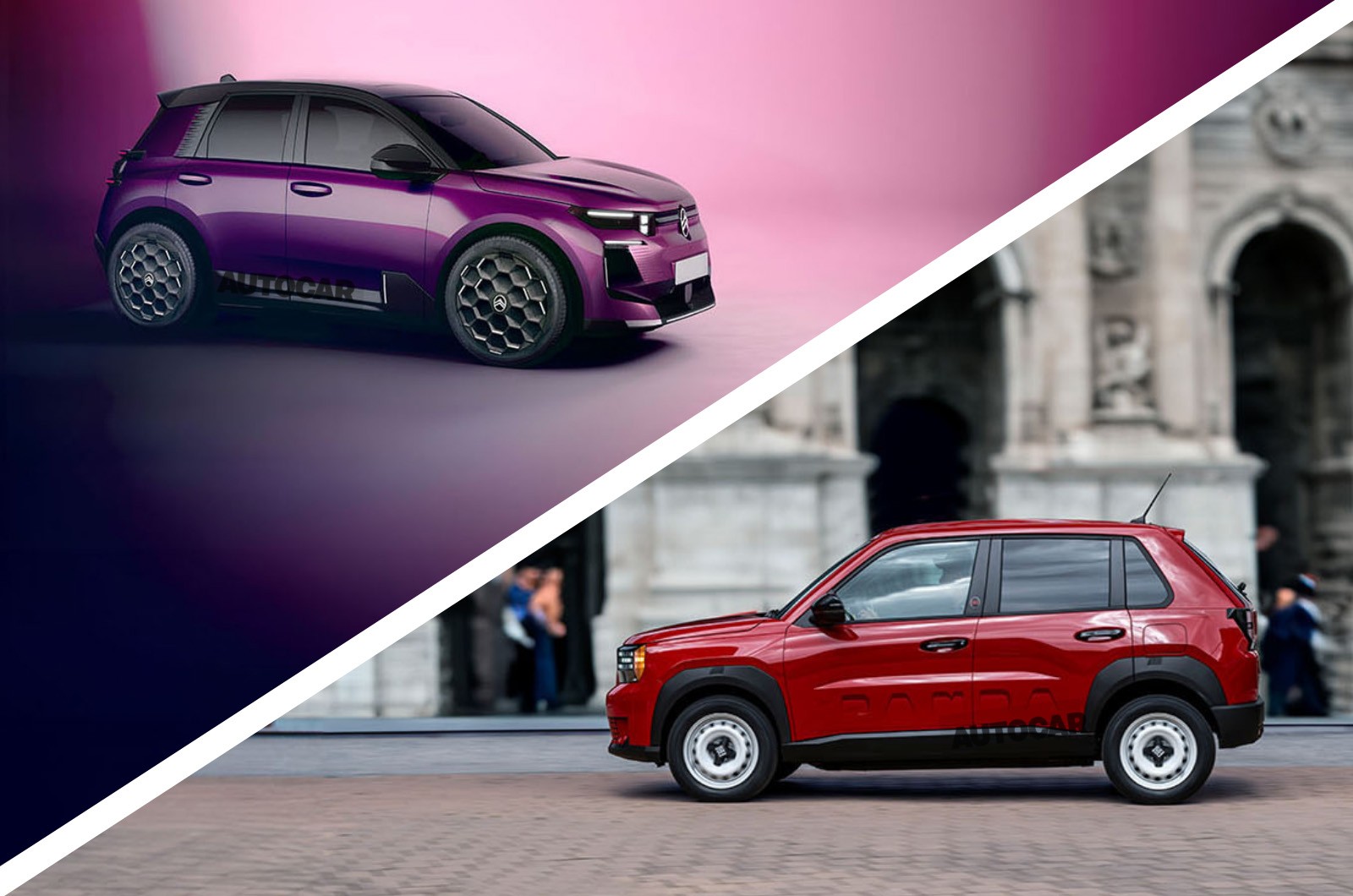
There is talk of spiritual successors. The Citroën 2CV might return. Or the Fiat Panda. Maybe both. These aren’t just ideas. The plan is concrete. Production at the Pomigliano plant. A facility near Naples that knows how to build affordable steel. It’s currently cranking out Alfa Romeos and the existing Pandas, but the focus is shifting. Toward something cheaper. Something simpler.
The European Commission wants this. Badly.
They created a new category. It’s called the “E-car”. Sounds generic? Maybe. The intent isn’t.
This new framework targets cars under 4.2 meters long. It works like Japan’s kei cars. Tight restrictions. Big rewards. Manufacturers get “super-credits”. That’s bureaucratic speak for a way to lower their carbon footprint numbers without buying a single carbon credit from another company.
The rules will likely stay frozen for ten years. Think about that. Ten years of certainty. No surprise emissions regulations. No shifting goalposts. Just build the car. Keep it simple.
The E-car addresses the unprecedented contraction of the affordable small car segment in Europe.
Is that happening? Look at the price tags. Antonio Filosa. Stellantis CEO. He’s blunt. Cars under €15,000 basically don’t exist. He says this is hurting the industry. It’s killing access to basic mobility.
Electric small cars pollute less during manufacture than larger ones. They are cheaper to build. So they get a special lane. A faster one.
Will you see this on your street? If you live in a European city. Maybe.
The 2CV was a tractor for the people. The Panda was the urban box of truth. Both were ugly to some. Beautiful to others. Cheap to fix. Easy to drive. This new wave wants that feeling. Not the nostalgia. The utility.
Production starts in 2028 in Southern Italy. A symbolic move. Putting jobs and industry in the region. Using the Pandas’ old stomping grounds to build the future. Or at least a version of it that feels like the past.
They need volume. The factory can build nearly 300,0 Will they? Or is this another promise lost in the noise of tech conferences?
Time tells. The cars haven’t left the factory floor. But the intent is clear. Small. Cheap. Electric.