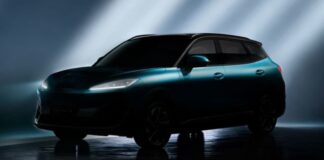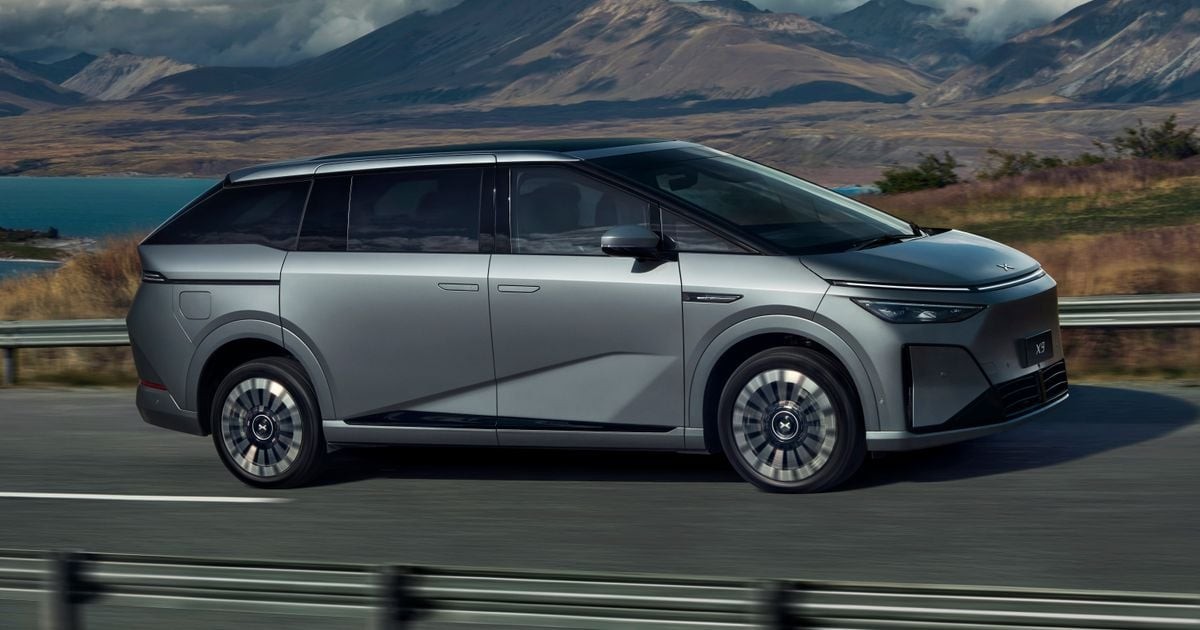
Chinese electric vehicles are no longer just arriving; they are taking over. The people mover segment in Australia used to be dominated by combustion engines. That’s changing now.
Xpeng has officially opened orders for its X9. Deliveries are starting shortly. The brand isn’t just dipping a toe in. They are diving headfirst into the luxury seven-seater market with a price point that demands attention.
Зміст
Xpeng X9 Pricing: Standard Range vs Performance
You can buy two versions of this electric people mover right now. Both prices are before on-road costs.
The Xpeng X9 FWD Standard Range is the entry point. It’s listed at $89,900. You get a rear-wheel drive layout.
Step up to the Xpeng X9 AWD Performance. This dual-motor beast costs $109,900. It offers all-wheel drive and more power.
Why does this matter? Look at the competition.
The Denza D9 starts at $88,185 (FWD) and goes up to $97,123 (AWD). The Zeekr 009 is pricier, starting at $115,90 and reaching nearly $140,000 for top-spec AWD.
Xpeng is sitting squarely in the middle. It undercuts the Zeekr significantly. It’s slightly above the base Denza. It’s a strategic move.
Range, Battery and Charging Architecture
All X9 models share an 800V electrical architecture. This is a big deal for charging speeds. You get standard 11kW AC charging. You also get 6kW vehicle-to-load capability. That means you can power camping gear or tools directly from the car.
But the batteries differ by trim.
- Standard Range: Uses a 94.8kWh Lithium Iron Phosphate (LFP) battery.
- AWD Performance: Uses a larger 110kWh Nickel Manganese Cobalt (NMC) battery.
The Performance model is a charging monster. It supports peak DC charging at 542kW. You can go from 10% to 80% in just 12 minutes. That is absurdly fast.
WLTP range figures are solid too.
* Standard Range: 535km.
* AWD Performance: 580km.
Real-world conditions will vary. But these numbers put it in the same conversation as other premium EVs.
Interior Tech and Luxury Features
Xpeng didn’t skimp on the cabin. They want this to feel like a private jet, not a minivan.
The seats are upholstered in Nappa leather. The second row features “Zero Gravity” seats. They have 14-way power adjustment. You get heating, ventilation, and massage functions.
The third row? It’s heated. That’s a rare touch in many people movers.
Infotainment is centered around a 17.3-inch front touchscreen. It supports wireless Apple CarPlay and Android Auto. There’s a massive 21-inch head-up display so you never take your eyes off the road. Rear passengers get a 21.4-inch entertainment screen.
Audio comes from a 27-speaker XOpera sound system. Yes, 27 speakers in a car.
Climate control is split into five zones. There’s a built-in refrigerator that can cool drinks to 0°C or warm them to 50°C. Dual 50W wireless chargers are in the front.
A panoramic glass roof lets light in. It adds to that airy, spacious feel.
Practicality and Cargo Space
It’s called a people mover for a reason. But can it fit stuff?
With all three rows up, you get 721 liters of boot space. Xpeng claims you can fit seven 20-inch carry-on suitbacks. Try that in a sedan.
Drop the second and third rows. You get 2,554 liters of cargo space. That’s van territory.
The exterior shape is less boxy than rivals like the Denzo D9 or Zeekr 009. The drag coefficient is a slippery 0.36. This helps efficiency. It also makes it look more sleek.
Driving Dynamics and Safety
The AWD Performance model packs 370kW of power. That’s roughly 496 horsepower. Torque is 640Nm.
Zero to 100km/h takes 5.9 seconds. It’s not a track car. It’s quick enough for highway merging without anxiety.
Base FWD outputs haven’t been released. Expect less power, but probably more efficiency.
Handling is assisted by dual-chamber air suspension on both models. Active rear-wheel steering is standard. This tightens the turning circle. It makes a large vehicle feel smaller in tight spaces.
Safety is covered by the Xpilot Assist suite. It’s powered by Xpeng’s in-house AI Turing Chip. Features include:
* Adaptive cruise control
* Autonomous emergency braking
* Blind-spot monitoring
* Lane centring
You get nine airbags. A surround-view camera system includes a “transparent chassis” view. This shows you what’s under the car on screens.
A semi-autonomous parking assist lets you park from outside the vehicle. Get out. Walk away. Let the X9 fold itself into the spot.
Warranty and Service
Factory-backed Xpeng ANZ is handling distribution. They are building their own dealer network after starting with TrueEV in 2024.
The warranty package is generous for private owners:
* Vehicle Warranty: Seven years, unlimited kilometers.
* Battery and Motor Warranty: Eight years or 160,00km.
* Paint Warranty: Five years, unlimited kilometers.
* Anti-corrosion: Seven years, unlimited kilometers.
Commercial users get slightly less: seven years or 160,0km.
Servicing is every 12 months or 2,00km, whichever comes first. Prices aren’t out yet.
Colors and Availability
You can pick from six exterior colors:
1. Midnight Black
2. Arctic White
3. Lambent Cyan
4. Silver Frost
5. Matte Grey
6. Polar Violet
Interiors come in Meteorite Black or Coffee. There’s also a two-tone option with Rose Brown on the dash, doors, and seat lower bolsters.
The car comes with 12 months of unlimited entertainment data. Satellite navigation and over-the-air updates are unlimited forever.
The Verdict
The landscape is shifting. Denza and Zeekr are here. GWM and GAC are lining up their shots. Xpeng is arriving with a fully-electric, highly-tech alternative that undercuts the premium competitors.
Is the $89,900 price tag enough to make you ignore the Toyota Alphard? Probably not for everyone. But for those who want zero emissions, advanced tech, and seven seats without the luxury markup?
The X9 is a serious contender.
Orders are open. Deliveries start soon. The question isn’t whether these Chinese EVs can compete. It’s whether traditional luxury brands can react fast enough.