Some pictures speak louder than bureaucratic memos. Jean-Baptiste Djebbari, France’s Minister Delegate for Transport posted a map on Twitter that shows exactly this. This is a French visual with red pins marking each service area of the national highway network where service stations are currently located. The caption was a promise, stark and direct Within two years, these places will have high-speed charging points for electric cars.
Later, the government issued a decree to promote and financially support the infrastructure of this hexagonal expressway. The mandate is unambiguous. Charging stations for electric vehicles must be installed in all service areas of the concession’s highway network by January 1, 2023. Here we are not talking about isolated rest stops, but about certain junctions that already have fuel pumps.
Зміст
Power requirement 150 kW
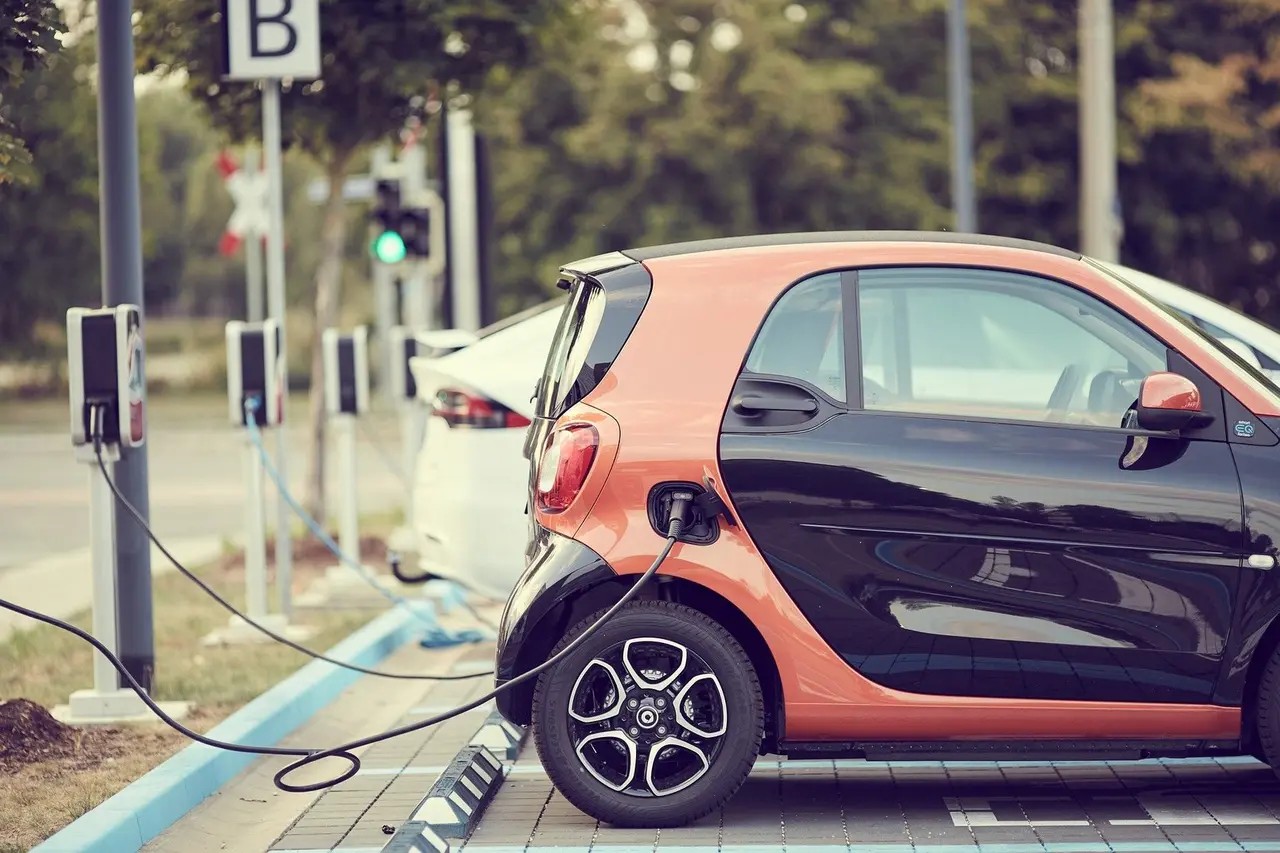
This does not mean leaving your car plugged in overnight. The new standards require hardware that supports the latest battery technology. Each charging station requires at least four fast charging units. In addition, at least two units must produce 150 kW of power.
Why 150 kW? Because that’s the threshold for a recharge in under 20 minutes. This is an important metric for drivers traveling across the country. It turns a highway break into a genuine pit stop rather than a waiting game.
The government does not require private companies to pay all costs. Depending on the specific configuration, the state pays 10 to 40 percent of the installation costs. This support is cumulative. Telecom companies can also take advantage of the 75% compensation of network connection costs according to the Mobility Act. This is a carefully designed financing vehicle designed to accelerate deployment without bankrupting franchisees.
Catching Up to Demand
That urgency is driven by numbers the department refuses to ignore. France’s car fleet is expected to exceed one million electric and plug-in hybrid vehicles by 2022. The deployment of current infrastructure has lagged behind this explosive growth.
In May, the government set the goal of opening 100,000 public charging stations by the end of 2021. This is an ambitious goal. The latest data released by France’s Avere tells a different story. As of December 31, the country had only reached 30,838 points.
The pandemic disrupted supply chains and the pace of installation, disrupting these original goals. It seems like a dream to reach 100,000 people by the end of the year. The new regulation on highway chargers is the government’s attempt to fix, to force infrastructure growth to match the reality of cars on the road.
The money is there. The mandate is unambiguous. The question is whether the contractor can actually build on time.
“French parking lots can accommodate one million electric and plug-in hybrid vehicles in 2022”
The gap between policy and pavement remains wide. For now, the red dots on the map are just promises. The concrete and copper needed to achieve these goals are still waiting to be poured and placed.
The evolution of electricity
This modification involves more than just changing the engine. It’s about rethinking the whole platform. Hyundai and Kia, once considered budget players, are now leading the way in this new segment. A separate electric car platform enables a skateboard-style design. The wheelbase has been extended. The overhangs are shorter. More cabin space.
This structural advantage is directly reflected in range and efficiency. While traditional automakers refurbish the bodies of existing gas-powered vehicles, these Korean brands build bodies from the ground up. result? The car feels lighter, more agile and more practical in daily use.
Performance lives up to the hype
Let’s talk numbers. The Hyundai Ioniq 5 N is not only fast. Designed to simulate the intuitive feedback of a gasoline-powered sports car. Electric vehicles often have problems with instantaneous, linear power transfer. Artificial shifting was introduced in the N model. It mimics the gear ratios of a traditional manual transmission.
This is not a trick. It is a carefully designed choice to appeal to drivers. Steering weight has been increased. Throttle response becomes sharper. It’s not just about pedaling. You control the experience.
The Kia EV6 GT tells a similar story. The twin engines produce over 576 horsepower and can accelerate from 0-60 mph in 3 seconds. But what stands out the most is the handling. Rear wheel steering helps the car turn in tight corners. The turning radius is smaller. It makes a large SUV-style crossover feel like a compact hatchback sitting in a canyon.
Charging infrastructure: a real bottleneck
Highway speeds mean nothing if you’re stuck next to a broken charger. This is the elephant in the room. Hyundai and Kia have invested heavily in the 800-volt architecture. This enables very fast charging. Under ideal conditions, you can add 160 miles in just 18 minutes.
But infrastructure is uneven. Urban areas are closely networked. Rural routes? Not so much. These cars become much less efficient when driving on the highway. Aerodynamics is more important than ever. The Ioniq 5’s parametric pixel design isn’t just for looks. Reduces drag. Improving real-world range.
Interior design and practicality
When you step inside, you’ll notice that it’s full of technology. Screens are everywhere. Digital instrument cluster. The head-up display projects navigation instructions directly onto the windshield. The latest augmented reality navigation helps at complex intersections. This is useful. Occasionally annoying.
The material has been significantly improved. Soft touch surface. Recycled fabric. a sustainable choice. In particular, Kia’s interior feels more luxurious than the price suggests. The seats are supportive. The soundproofing of the cabin is good. It is not affected by wind or road noise even when driving on the highway.
Conclusion: Is it worth it?
If you’re looking for a traditional driving experience, you might find these cars too clean. But if you’re looking for efficiency, technology and incredible performance, it’s hard to beat. The value proposition is strong. Reduce maintenance costs. No oil change is required. Fewer moving parts.
This technology is mature enough for daily use. This range is sufficient for most commuting needs. The charging speed is catching up. For the first time, electric cars are no longer just a compromise. They are better choices.
The question is not whether to buy it. It’s about whether the current cars can compete.