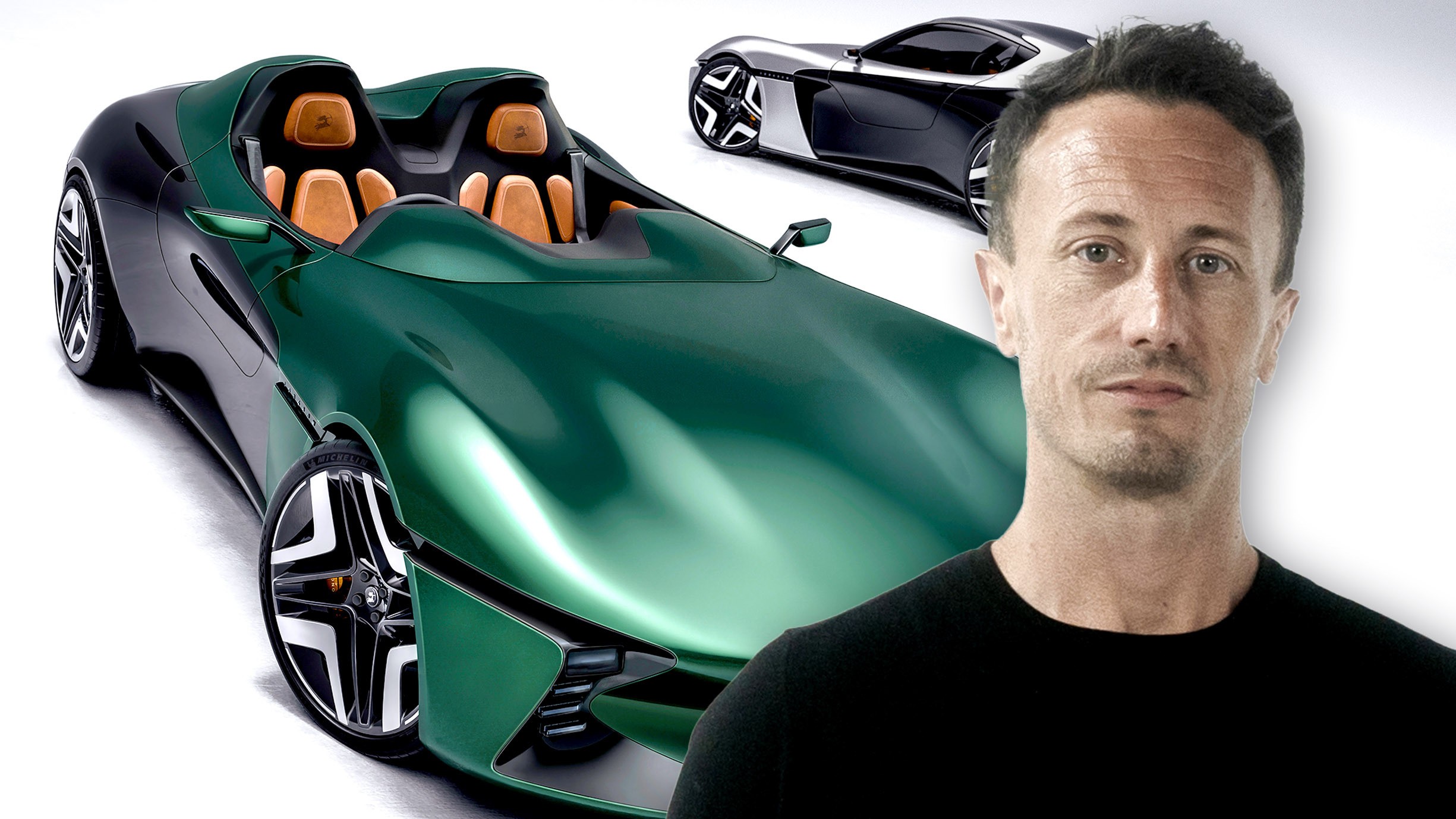
The electric vehicle (EV) industry has increasingly focused on adding features, battery capacity, and digital complexity, often at the expense of simplicity and performance. Longbow, a new automotive company founded in 2023 by veterans of Tesla and Lucid, is taking a different approach: building a lightweight, driver-focused EV without unnecessary bulk.
Зміст
The Founders’ Perspective
Longbow’s founders, Daniel Davey and Mark Tapscott, have witnessed firsthand how ambitious EV designs often fall short of expectations. Their philosophy is rooted in first principles engineering, prioritizing lightweight construction and questioning the assumption that electrification demands oversized, tech-laden vehicles. The team later expanded to include Jenny Keisu, formerly CEO of X Shore, bringing additional expertise in electric marine technologies.
Rejecting Industry Trends
Instead of following the trend of vertical integration or speculative future technologies, Longbow is focused on using proven components to build a sports car. The company’s founders consulted with an original Tesla co-founder (Martin Eberhard, alongside Marc Tarpenning) who confirmed that the initial Tesla vision was similar: a streamlined, efficient electric vehicle built with existing technology. The difference now is that the supply chain has matured enough to make this approach viable.
Longbow deliberately avoids building motors or factories from scratch, instead sourcing components with extensive real-world validation. As Tapscott explained, “There are so many suppliers making incredible products that we can take advantage of… the industry is helping us in what it’s doing.”
Physics-First Engineering
The founders’ backgrounds in motorsport and startups have allowed them to avoid the bureaucratic constraints of traditional automakers. Longbow operates on a “physics-first” principle, constantly questioning why each design choice is made until it reaches a fundamental reason. Often, they find unnecessary complexity: layers of weight and volume that serve no functional purpose.
For example, the company has streamlined its battery architecture by eliminating redundant casings and mounts, integrating the battery structure directly into the chassis. This results in significant stiffness gains, with Longbow claiming their structure is “at least twice as stiff as the Lotus chassis.”
In-Wheel Motors and Additive Manufacturing
Longbow showcased high-output in-wheel motors at CES, but clarified that this was a demonstration of the chassis’ flexibility rather than a production specification. While the long-term potential of in-wheel motors is acknowledged, the current focus is on a smaller, more reliable drivetrain.
Beyond prototyping, Longbow is leveraging additive manufacturing to accelerate development and potentially revolutionize low-volume production. Instead of maintaining large inventories, parts could be printed on demand locally, enabling customization without traditional costs.
A Driver-Centric EV
Longbow’s ultimate goal is to create an EV that prioritizes driving engagement over excessive technology. The company’s ethos is simple: an electric powertrain doesn’t have to mean a heavy, feature-laden SUV. Longbow aims for precision, power, and reward, believing that the driver – not just the vehicle – matters most. Their approach to stripping away unnecessary weight may prove to be their key competitive advantage.