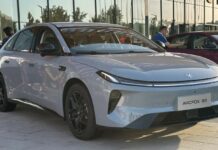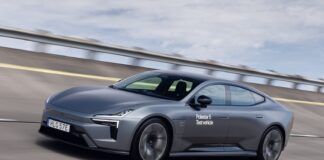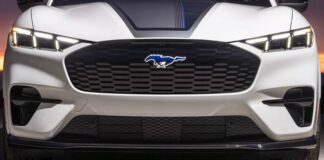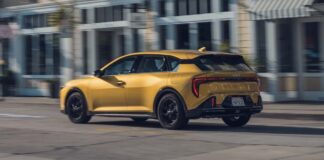
Antonio Filosa doesn’t waste time. As Stellantis CEO, he’s laying out the FaSTLAne 203 roadmap and it’s heavy. The target is simple. 110+ new cars or refreshed faces by 2030 across every badge. Ambitious? Yeah.
Most of these will burn gas or sip mild-hybrid energy. Out of the 110-plus updates, 39 keep internal combustion engines alive. Twenty-four go hybrid-electric. 29 are all-electric. Plug-ins make up just 15 slots. The combustion engine isn’t dead here, it’s just… persistent.
70 percent of product investments go to just four names.
Jeep, Ram, Peugeot and Fiat. That’s where the money lands. These become the primary launchpads for new global hardware. Everything else? Secondary.
Chrysler and Dodge fall into “regional brand” status. Same for Citroën, Opel and Alfa Romeo. They get the hardware updates, sure. But DS and Lancia? Historical curiosities now. Fiat and Citroën manage them as niche operations. It’s a trimming of fat, brutal but necessary.
North America needs bodies
The US market gets 11 fresh faces.
Here is the kicker: nine of those start under $40,005. Two break the $30,00 ceiling. Cheap volume sellers are the strategy. The goal? Expand market coverage by half. Boost volume by 35%. Chase 25% revenue growth. You don’t hit those numbers with niche SUVs. You need volume.
Chrysler leads the charge with three new crossovers.
* Airflow: A mid-size SUV. Sub-$40k.
* Arrow / Arrow Cross: Compact options. $25k–$35k range.
* Pacifica: More variants arriving soon.
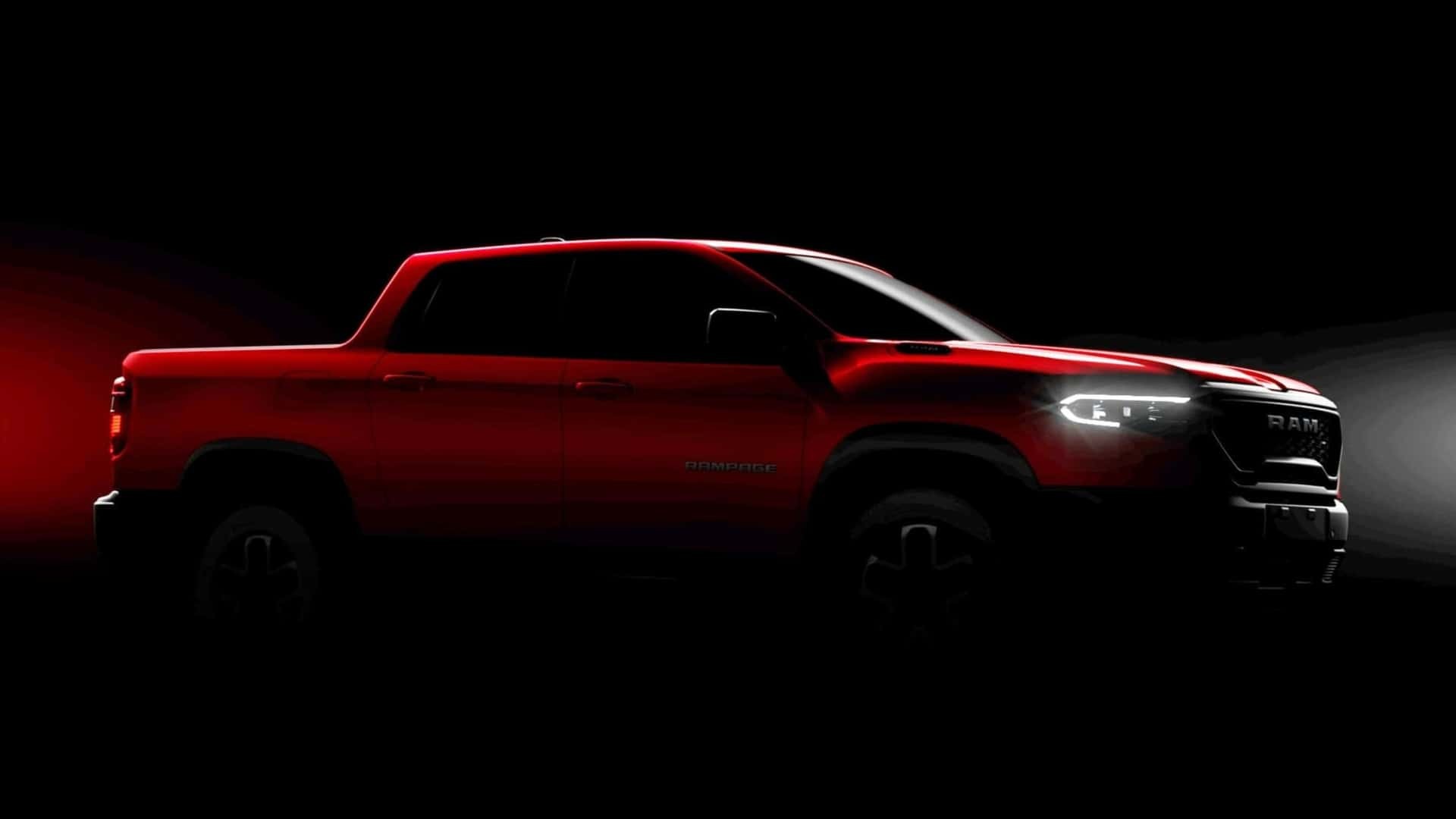
Ram isn’t sitting idle. The new Dakota pickup starts under $40k. Then comes the big one. The Ramcharger. A three-row SUV expected before 2030 closes in. It will sit on three main global platforms. STLA One among them. The tech shares space across borders, powertrains don’t discriminate by continent.
Stellantis is also shaking hands with Leapmotor, Dongfeng and Tata. Even JLR gets involved. Partnerships matter when you can’t build every screw in-house.
Previous leadership alienated buyers. Sales bled. Now? This feels like a repair job. The affordable stuff looks stacked with value. It might work. It might not.
One wonders if the market cares about “historical” badges or just price tags. The cheaper models will tell the real story.