


I asked a Hyundai exec a blunt question last time I was in Korea.
Why were their cars garbage ten years ago—ugly, broken, unwanted—but now, under the exact same badge, they are respected?
He didn’t beat around the bush.
They need three or four attempts. Maybe four. Legacy makers have more experience; newcomers stumble before they walk.
Take the Santa Fe.
In 2000 it was nothing. A generic box. Jump to today. It is five meters long. Premium. Hybrid. It looks like it belongs next to Land Rovers, but you buy it for half the price of a cheap Range Rover.
Kia knows the pain too. I drove a first-gen Sportage in the 90s. It broke down on me. Disgraceful.
They learned though. They figured out how to build it properly. Now it’s one of the best sellers in the UK. It earned it.
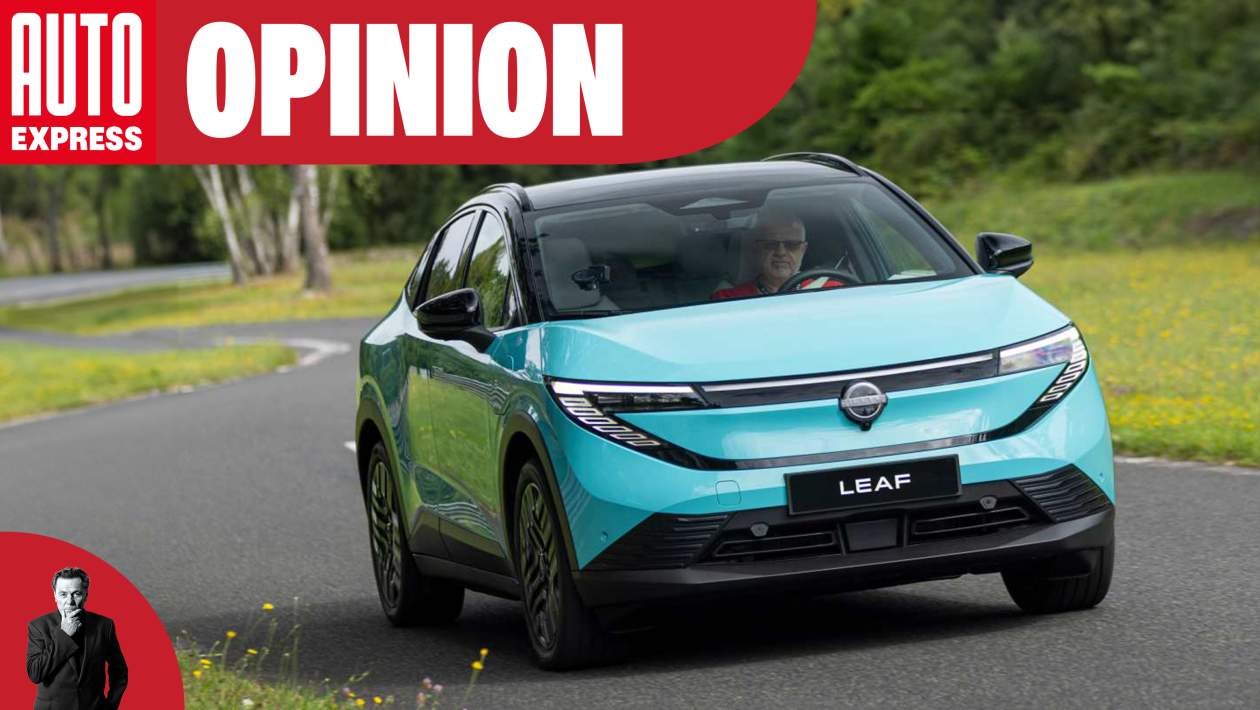
The Nissan Leaf took a different route.
I drove it in 2015 and hated it. Not because it was new. Not because people were scared of EVs. I hated the price. The looks. And the range. Eighty-five miles? Useless. It took hours to charge and went nowhere.
2017 fixed most of it. Now, with help from Sunderland, they’ve built something world-class.
Justly so, they just won Auto Express Car of the Year.
It took Hyundai-Kia two decades. Nissan needed fifteen years.
“Experience matters. Iteration is everything.”
Look at the incumbents. The Mazda MX-5 started thirty-seven years ago. It’s still the Convertible of the year. Volkswagen has been making Golfs for fifty. The new GTI wins its class. The Porsche 911 turned 62 and still beats everything in the performance bracket.
The point stands.
Cars improve with age. If you update them properly, across generations, they dominate.
To all the new Chinese and emerging brands flashing tech screens at every turn: wait your turn. You have decades to go.


