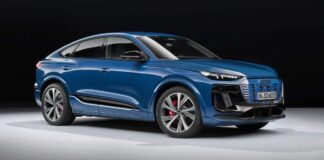
You see them everywhere. Stuck in traffic on the interstate. Parked in front of the HOA president’s house. Blaring from radio ads for eco-friendly insurance. They’re the poster children for the green movement. Hybrid cars. They promise to save Mother Earth while you sit in traffic. With their complex dual-engine setups and glowing reviews, they’re like the popular kids in high school. Everyone wants to be seen with one. They look good, too.
These vehicles are the alternative to the gas guzzlers that dominate the road. They sip fuel because they lean on an electric motor for power. Proponents swear they reduce national oil dependency. Critics argue the sticker shock isn’t worth it. Yet, Americans keep buying them. A poll showed 83% of people would pay an extra $3,000 in 2025 if it saved $3,000 in gas within four years. That’s a solid return on investment.
But here’s the thing most buyers miss. Hybrids aren’t a monolith. One size does not fit all. The technology varies wildly between models.
If you’re shopping for one, you need to know what you’re getting. If you’re just curious about the hype, you need the facts. Let’s break down the different types of hybrid cars.
Зміст
How Hybrid Cars Work and Why They Matter
Before diving into the classifications, understand the core mechanic. A standard internal combustion engine burns gasoline to create motion. A hybrid adds an electric motor and a battery pack. The system switches between sources or combines them. This reduces fuel consumption. It cuts emissions.
The “why” is simple. Energy efficiency. The electric motor handles low-speed driving. The gas engine takes over at high speeds. Regenerative braking captures energy usually lost as heat. This energy recharges the battery. No plugging in required for basic hybrids.
This efficiency is why the economics work for many. The upfront cost is higher. The long-term savings in fuel offset that cost. For some, the environmental impact justifies the expense. For others, it’s purely financial. Both perspectives drive sales.
Which Hybrid Type Is Right for You?
Not all hybrids are created equal. The technology falls into distinct categories. Each has pros and cons. Your choice depends on driving habits and budget.
Full Hybrid (HEV)
This is the standard hybrid. You’ve likely seen one. It uses both a gas engine and an electric motor. The key feature? It cannot be plugged in. The battery charges through regenerative braking and the engine itself.
Examples include the Toyota Prius and the Honda Accord Hybrid. These vehicles are designed for fuel efficiency. They excel in city driving. The electric motor provides torque at low speeds. The gas engine kicks in when more power is needed.
Pros:
– No range anxiety. Fill up at any gas station.
– No charging infrastructure needed.
– High fuel economy in stop-and-go traffic.
Cons:
– Higher upfront cost.
– Limited electric-only range.
– Less powerful than some plug-in alternatives.
Plug-In Hybrid (PHEV)
This type bridges the gap. It has a larger battery pack. You can plug it in to charge. It offers a significant electric-only range. Once the battery depletes, it operates like a full
The basic premise of a gasoline-electric hybrid is simple: you have an internal combustion engine and an electric motor sharing the load. The main trick is capturing energy that would normally vanish as heat during braking. That energy gets stuffed into a battery pack. This pack provides the juice for the electric motor to turn the wheels. The batteries charge constantly while you’re moving.
But not all hybrids are built the same way. They generally fall into two main buckets: series hybrid and parallel hybrid systems.
The Series Hybrid Setup
In a series hybrid, the electric motor does all the actual driving. The gasoline engine? It’s just a generator. It doesn’t touch the wheels. When you turn the key, power flows from the battery to the electric motor. The motor spins the tires.
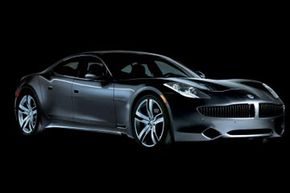
On longer trips—say, beyond fifty miles—the gas engine kicks in. It runs to recharge the battery pack rather than drive the car directly. This setup requires larger, more expensive batteries to maintain speed. The Fisker Karma is a prime example of a series plug-in hybrid.
Parallel Hybrids Explained
Parallel hybrid vehicles also use both an internal combustion engine and an electric motor. But that’s where the similarity ends.
Here, both engines are connected to a single transmission. This allows them to power the car simultaneously. The gas tank feeds the engine while a generator charges the batteries. This configuration is better suited for long-distance travel.
Most drivers prefer parallel hybrids over series hybrids. They tend to be more fuel-efficient in real-world driving. Popular examples include the Honda Insight, the Chevy Malibu, and the Toyota Prius.
Mild vs. Full Hybrids
There’s also a variation called a mild hybrid. It’s the least expensive option in the hybrid bunch.
A mild hybrid doesn’t run on electricity alone. The electric motor just assists the gas engine when you need extra power. When the car slows down or sits at a stoplight, a control unit shuts off the engine. This stops the car from burning fuel and polluting the air like a conventional vehicle.
Put the car in gear or hit the accelerator, and the battery starts the motor again.
In full hybrids, the electrical and gas engines can propel the vehicle together or operate independently.
What’s next for hybrids? Find out on the next page.
The Future of Hybrids
The PHEV Compromise: Best of Both Worlds?
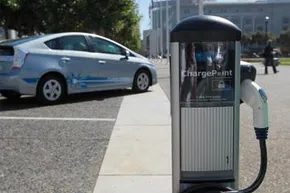
Plug-in hybrids sit in a weird middle ground that appeals to people who aren’t ready to let go of the gas pump entirely. Technically, a plug-in hybrid electric vehicle (PHEV) draws power from a battery pack for the majority of its range. But when that tank goes dry, the internal combustion engine flips on. It’s not a pure electric setup.
Charging logistics vary wildly depending on the model. Some units can trickle-charge off a standard 120-volt household outlet at home or the office. Others demand higher-capacity infrastructure that most garages don’t have. The industry is scrambling to build public charging networks along major highways, but until those are ubiquitous, you’re still tethered to the grid.
EVs: The Pure Electric Shift
An electric car strips out the combustion engine entirely. Power comes from an electric motor. Range anxiety was the killer feature back when lithium-ion tech was still figuring itself out. Early adopters faced short ranges and batteries that degraded faster than expected.
Modern engineering has largely fixed those kinks. Nissan recognized this shift early. The Leaf launched as a mainstream attempt to make zero-emission driving accessible. Supply couldn’t keep up with demand. Dealerships cleared out their entire initial inventory before the cars even hit the streets. Fans had to wait until 2011 for the next batch.
Market Reception and Future Viability
Will these vehicles catch on like hybrids did a decade ago? The verdict isn’t settled. Consumer adoption is slow, cautious. But the trajectory is clear. People want to cut greenhouse gas emissions. They also want to save money at the pump. As long as those two motivations exist, alternative powertrains will persist.
The infrastructure gap remains the biggest hurdle. Until charging stations are as common as gas stations, electric adoption will feel fragmented. That’s changing, but it’s not there yet. The technology works. The economics are starting to make sense for many buyers. The rest is just rollout speed and policy incentives.