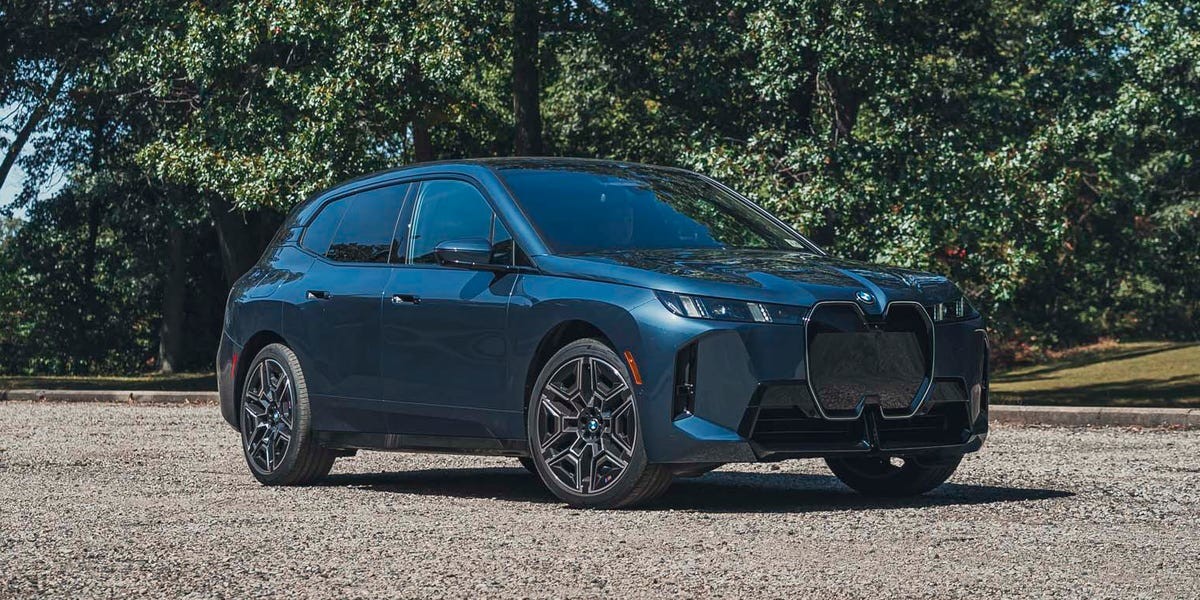
BMW has confirmed that the iX electric luxury SUV will be phased out of the U.S. market following the 2026 model year. Despite receiving a comprehensive refresh for the 2026 lineup, the automaker has decided to end the model’s American run to make room for a new era of electric mobility.
A Strategic Pivot Toward the “Neue Klasse”
The decision to discontinue the iX in America is not an indication that the model is failing globally; BMW maintains that the iX will continue to be sold in other international markets. Instead, the move reflects a broader strategic shift within BMW’s North American lineup.
A BMW spokesperson clarified that the company is managing a “dynamic environment” by maintaining a flexible powertrain portfolio. This transition is part of a larger preparation for the next generation of fully electric vehicles, known internally as the “Neue Klasse” era.
This trend of replacing older EV architectures with dedicated, next-generation platforms is becoming common among legacy automakers. Rather than simply updating existing models, brands are clearing the way for entirely new platforms designed from the ground up for electrification.
Performance and Market Context
Since its U.S. debut in 2022, the iX has been recognized for its distinctive styling, ultra-quiet cabin, and impressive highway range. While it faced stiff competition from gasoline-powered counterparts like the BMW X5, it maintained a respectable presence in the luxury EV segment:
- 2024 Sales: 15,383 units
- 2025 Sales: 12,587 units
Interestingly, while the iX’s volume was lower than the gas-powered X5, its sales figures actually outperformed BMW’s electric sedans, the i5 and i7, during the same period. The i4 remains the brand’s most successful electric model in the U.S. to date.
What Comes Next for BMW’s EV Lineup?
The exit of the iX—alongside the anticipated replacement of the i4 by a new i3—signals a significant restructuring of BMW’s electric offerings in America.
While the brand has not officially confirmed the successor, industry expectations suggest that the iX’s market share will be captured by an all-electric version of the next-generation BMW X5. This move would align BMW’s most popular SUV nameplate with its electric future, potentially offering a more direct competitor to the highly successful electric luxury SUVs currently dominating the market.
The discontinuation of the iX in the U.S. marks the end of an era for BMW’s first wave of dedicated EVs, clearing the path for a more streamlined, next-generation electric lineup.