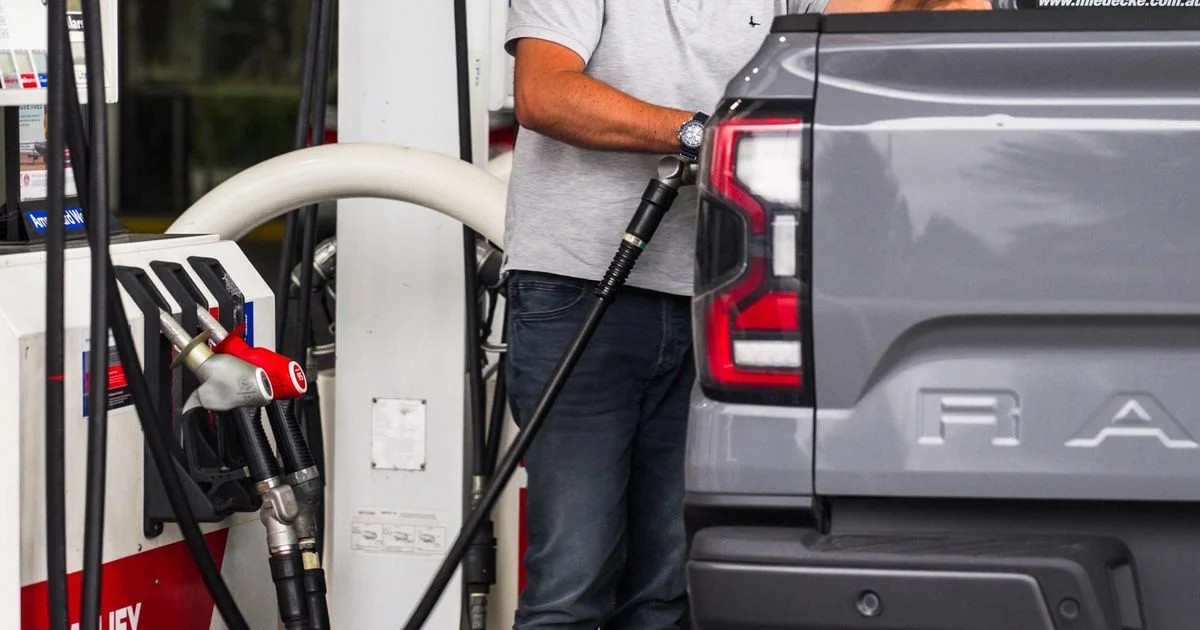
Petrol might die out. At least according to Ampol.
Matt Halliday, the CEO, says refining it is getting painfully unprofitable. Sales are sliding while EV numbers climb. He admits the future of fuel looks less like a pump and more like a plug.
Speaking to Alan Kohler on ABC’s That’s Business, Halliday was blunt. Middle East wars shake crude supplies. Yet local refining? Barely holding on.
Australia only has two operational refineries left. Ampol in Brisbane. Viva in Geelong. They produce just 20 percent of national demand. It is a fragile setup.
Diesel stays. Jet fuel stays. These remain matters of national security.
Petrol? Not so sure.
“Hoow you adjust to produce less petrol and more diesel over time is a challenge,” Halliday told Kohler.
Why bother? Because making petrol is harder now. If Brisbane has too much petrol, it must go on a ship. That gets expensive. Very expensive.
But for diesel and jet fuel there is no cheap electric alternative yet. We will need security for those fuels for a long time.
Prices spiked in April 20206 after global shipments hit conflict zones. Costs ripple through everything. Supermarket shelves bear the hit.
Then came the shift.
EV market share jumped from 16.4% in April to 23.3% in June. Tesla’s Model Y led all vehicle sales in May and June. A first. Meanwhile petrol car sales tanked—dropping roughly 30 percent those same months.
Can charging replace the old revenue?
Ampol runs 350+ charging bays across service stations and malls. It works. The margins are thinner though.
“Customers charge more often,” Halliday said.
Kohler challenged him. If everyone switched to EVs tomorrow would Ampol lose money? Yes. Probably. Lower margins hurt.
But the strategy holds. Use the land they already own. The service forecourts. The mall partnerships. Scale up as the EV fleet grows from its tiny current fraction.
Will every gas station get a charger? No.
“It’s very much location dependent.”
Halliday tracks data. Postcodes. Journeys. Where employees park work EVs. Grid access matters too. Some remote spots will never support enough chargers to justify the wire.
Some places stay empty. Others get plugged in.
We aren’t there yet. But the model is shifting. One brick at a time. Or maybe one plug.