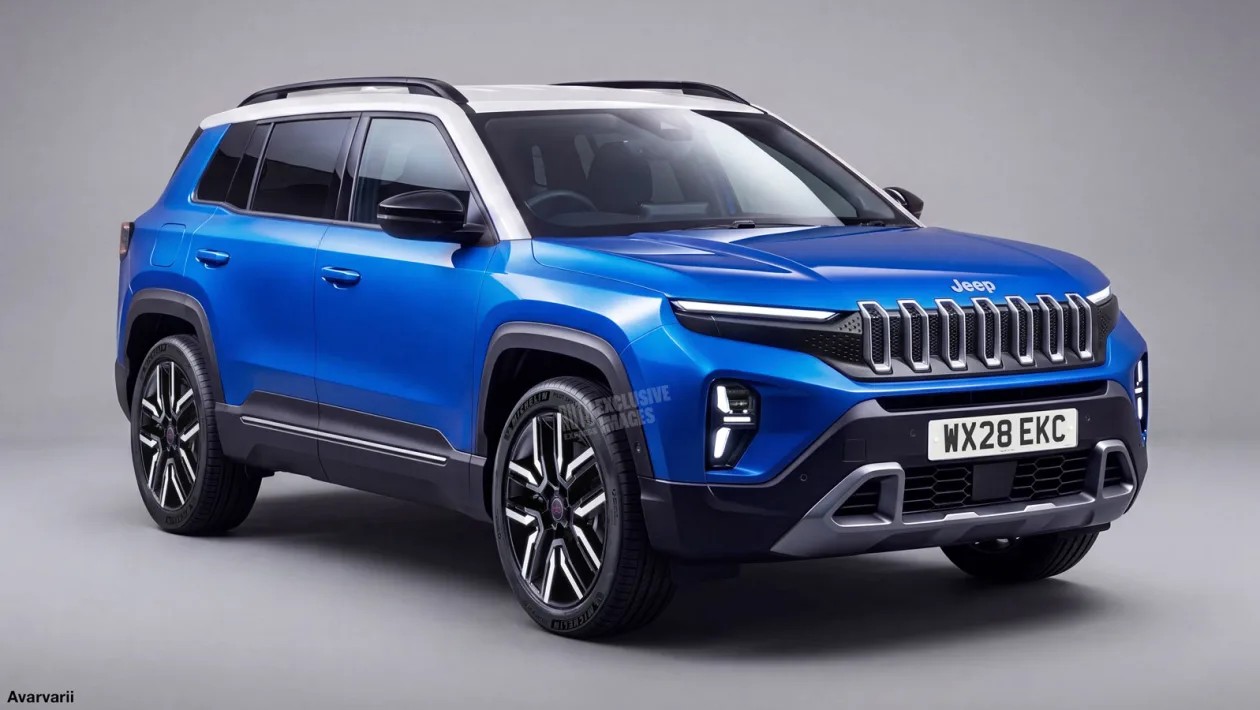
Jeep is building three new SUVs.
One targets the B-segment, the other replaces the Renegade, and the third? It’s a cheaper Land Rover Defender rip-off. By 2030 the European range will have five models, sitting alongside the Avenger and Compass. The math is simple. The American 4×4 brand is riding on the back of Stellantis’ massive growth plan, meaning these cars have to sell. Lots. No halo cars allowed, only volume sellers.
But here is the uncomfortable truth behind this model explosion.
Jeep pulled the Wagoneer S and the Recon from the UK lineup.
Never even hit dealerships. They’re dead weight in Europe.
Then there’s the Wrangler, the spiritual heart of the brand. Gone too. Emissions regulations killed it in Europe and safety standards sealed the coffin in the UK. Jeep says they will survive on volume instead of iconography, packing the American image into cars that actually fit into a garage here.
Built on a shared skeleton
The most aggressive play is the B-segment compact SUV. It lands in 2028. Maybe 2029.
It rides on the STLA One architecture. That’s the fancy new floorpan from the rest of Stellantis, the same bones under Peugeots and Fiats. Benefits include flexibility. Hybrid. Plug-in. Full electric. All available.
“We have very strong technologies. STLA brain. STLA smart cockpit. Steer-by-wire.”
So Fabio Catone, Jeep Europe’s boss, tells us. It sounds like every other press release.
Pushed on why you’d buy this instead of a cousin brand, Catone pivoted. Scale simplifies things, he admitted. But Jeep adds “specific investments” where it counts. Special materials. 360-degree protection angles. And crucially? 4×4 on every model. Even this little one.
It slots above the Avenger.
It aims for the VW ID.Cross, Ford Puma, Nissan Juek EV, and Skoda Elroq.
Jeep wants to offer more off-road prowess than any of those rivals can dream of, yet the design cues are pure classic Jeep. Wrappers on the bumpers. Ugly black plastic where it needs to be tough. Big wheels. Bright paint options. The seven-slot grille that says I have been driving for a long time.
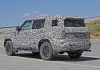
Look at the images. Short overhangs. High approach and departure angles.
It’s rugged enough to get you home, soft enough for the school run. Most buyers in this segment want urban chic, not mud tires, but Jeep insists on the capability anyway.
Power?
Electric variants need 260 miles range to matter. That means a 40 to 50kWh battery pack. Nothing said about hybrids yet, but the new 1.2-liter three-cylinder engine from the Stellantis toolbox will likely be standard. It starts in non-hybrid Peugeots but will spread like a virus through the group, likely powering Jeep hybrids with varying degrees of electricity assist.
All-wheel drive?
Expect the clever 4xe system where an e-motor handles the rear axle. Maybe dual-motor BEVs. Pricing should start under £30,000. Cheap. Necessary.
The ghosts of America
Why no Wagoneer S?
Stellantis changed its mind. The US-engineered models stalled out before arriving. Difficult market conditions? Maybe. European regulations? Likely. Or maybe European rivals just built better batteries.
The Wagoneer S was supposed to fight the BMW iX3 or Volvo EX90. But the US model promised over 300 miles range.
Five hundred is the new normal. It looks obsolete before it starts.
The Recon was different.
Tough. Capable. Closer in spirit to the departed Wrangler. But the forecasted sales volumes were tiny. The numbers didn’t add up. You cannot sustain a brand on passion alone when the parent company demands growth.
Jeep has pivoted away from these imports. They are betting on Euro-built models built to Euro rules, with a pinch of American ruggedness baked into the engineering rather than imported across the Atlantic.
It is a safe bet.
A smart one, arguably.
Does the Puma look worried yet?
Probably not.
But Jeep is back in the game.
Small. Cheap. Four wheels driving. And somehow, it still has to look like it belongs on a cliff edge, even if it is designed for the commuter lane.