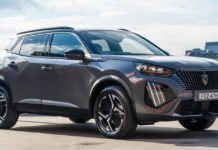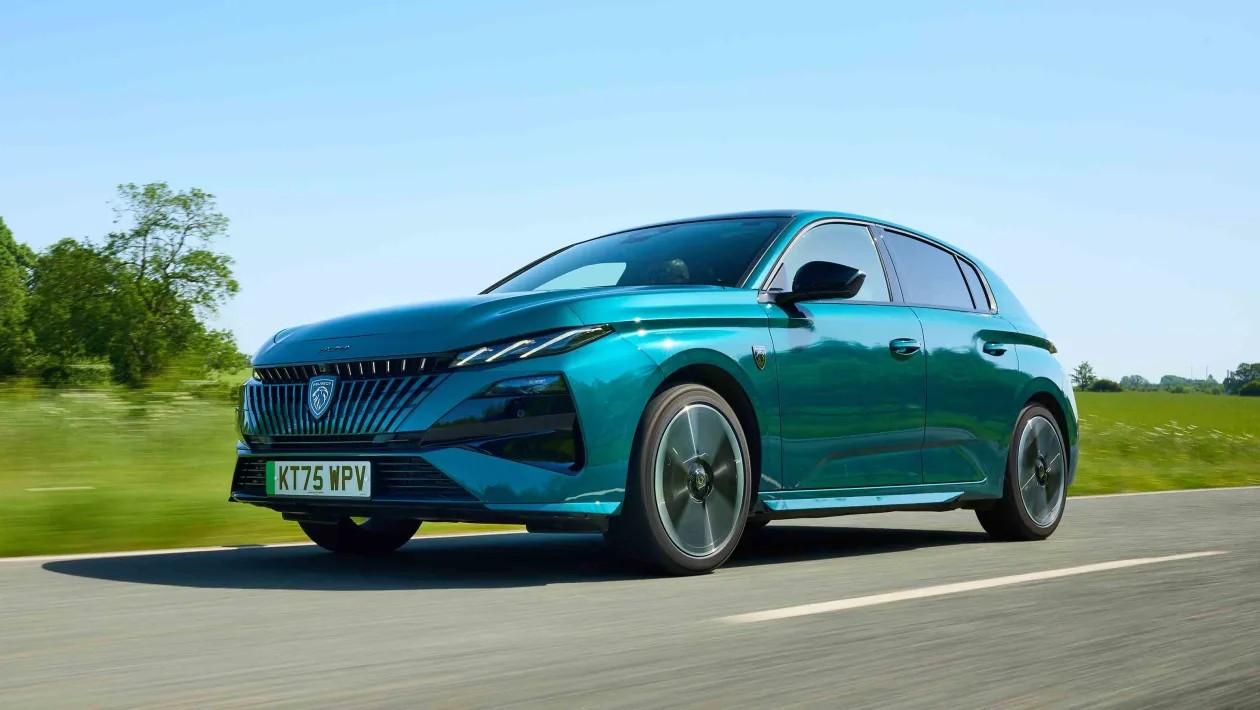
Buying a family car usually means sacrificing style for space. The Peugeot 308 tries to change that. It looks good. Really good. If you want something with flair in a sea of grey corporate vehicles, the French hatchback has charm. But does it drive like it looks?
Not quite.
It has a premium feel that stares down Audi and BMW. That’s a big claim for a mass-market car. The interior quality has jumped leagues. Materials feel expensive. Build quality is solid. But the 308 isn’t a complete package. Rear passengers will complain. The driving dynamics lack excitement. And the gearbox can be frustrating.
It’s a desirable car. But it costs more than it should for what it offers. Other rivals give you better value. You just have to ignore the badge prestige.
Зміст
What makes the Peugeot 308 different
Peugeot has always made attractive cars. Remember the 205? Or the 306? They had soul. The current 208 shows they haven’t lost the plot. The 308 continues this tradition.
The design is sharp. Rakish lines. A distinctive front end. It stands out in a parking lot full of boring Volkswagens and Ford Fiestas. That’s the main selling point. Style first.
Powertrain choices
You can buy it in many ways.
- Diesel: The 1.5L BlueHDi. One of the few diesels left in the hatchback class.
- Hybrid: The Hybrid 145. Mild hybrid tech to save fuel.
- Plug-in Hybrid: The Plug-in Hybrid 193. For low emissions.
- Electric: The E-308. All-electric. No exhaust.
The diesel is for those who drive a lot and want torque. The hybrids are for efficiency. The electric is for the future. There is no pure petrol engine anymore. The old 1.2L PureTech is gone.
We’ve tested all of these. Some work better than others.
Driving the Peugeot 308: A mixed bag
The i-Cockpit problem
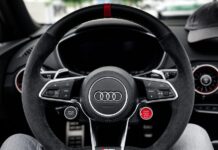
Start by finding a driving position. This is where things get annoying. The i-Cockpit design forces a specific posture. Small steering wheel. High dashboard.
To see the digital dials, you have to look over the wheel, not through it. It feels unnatural. If you are short, it’s worse. You might raise the seat just to see. Now you’re sitting too high. The driving position suffers. Visibility out front isn’t great. Big pillars block sightlines. It’s a safety concern for some.
Once you’re in, though, the ride is comfortable. Suspension soaks up bumps well. Passengers in front are happy.
Steering and handling
Around town, the 308 is nimble. The steering is quick. It responds well to inputs. But on winding roads? It’s uninspiring. The handling lacks the engaging nature of old Peugeots. It’s safe. Not exciting.
“Thinking back to the great Peugeot hot hatchbacks… you might expect the latest 308 to be a driver’s delight. Unfortunately. It isn’t.”
The gearbox gripe
This is the big annoyance. The 8-speed automatic in the diesel feels sluggish. It’s hesitant at junctions. When you lift off the gas, it takes a moment to drop a gear. Bringing the car to a smooth stop is hard. The stop-start system jerks a bit. It lacks refinement when it should have it.
The hybrids use a dual-clutch unit. This is better. But still not perfect.
Performance numbers
Pace depends on what you buy.
The Plug-in Hybrid 193 is the fastest. 193bhp. 0-62mph in just 7.9 seconds. That’s quick. 140mph top speed. It can do 84mph on electric power alone in peak conditions.
The Hybrid 145 is slower. 145bhp. 0-60mph in 9.3 seconds. Adequate for daily commuting.
The 1.5 BlueHDi Diesel is the sluggishest. 129bhp. 0-62 takes 10.5 seconds. Don’t expect thrill. But torque is decent (300Nm). It pulls well from low revs. Real-world urge is there.
The E-308 electric does 0-60 in 9.8 seconds. 106mph top speed. Instant acceleration, but limited top end.
| Model | Power | 0-62mph | Top Speed |
|---|---|---|---|
| 308 1.5 Diesel | 129bhp | 10.5 sec | 129mph |
| 308 Hybrid 145 | 145bhp | 9.3 sec | 130mph |
| 308 PHEV 193 | 193bhp | 7.9 sec | 140mph |
| E-308 Electric | 154bhp | 9.8 sec | 106mph |
Running costs and fuel economy
Diesel and hybrids offer good real-world numbers. Plug-ins claim insane figures, but don’t hold your breath.
MPG claims
- Diesel: Claimed 59.6mpg. CO2: 124g/km.
- Hybrid 145: Claimed 62.6mpg. CO2: 102g/km.
- PHEV: Claimed 148.1mpg. CO2: 43g/km.
Real-world PHEV usage is rarely close to 148mpg. If you charge regularly, you’ll get close to the diesel’s efficiency. If you don’t charge, it’s heavy. You’ll get worse numbers.
We found the PHEV did over 70mpg in a long-term test. That’s good. But not world-beating.
Charging and range
The PHEV offers up to 59 miles of electric range. In our test, we got 20 miles. Why? Probably driving style. Recharging takes 4.5 hours on a home wallbox. No DC rapid charging. That’s a drawback vs rivals like the Golf.
The E-308 has a 279-mile range. Charging speed tops out at 100kW. It takes 33 minutes to go from 10-80%. Not fast. An overnight charge at home takes 9 hours.
Insurance and Tax
Insurance is expensive.
- Diesel/Hybrid: Groups 22E-23E. Not cheap. Even a BMW 1 Series is similar.
- E-308: Groups 26E-27E. Higher.
- PHEV: Groups 28E-30E.Highest.
Even the BMW M135, which costs double, tops out at group 29. The 308 is pricey to insure.
Company car tax (BiK)
Diesel is 30% BiK. Not great.
Hybrid is 26%. Better.
PHEV is 10%. Best for company cars.
Electric is 0% (bottom band). Saves you £500+ in first-year tax.
“Naturally, the E-309 will be the company car choice… due to its 0g/km figure.”
Watch out for eVED (electric vehicle duty). Starting April 2028. Electric and plug-in cars will pay a pay-per-mile fee. Rates may rise later. Factor this in for long-term ownership costs.
Resale value
Older 308s depreciated poorly. You’d get 39% of the value back after 3 years.
The new ones are better. 47-49% retention after 3 years/36,000 miles. Little difference between petrol, diesel, and PHEV.
The SW estate version holds value best. Up to 50%. If you want to sell later, buy the estate.
Interior and tech
Design
The outside is the main draw. Olivine Green. Elixir Red. Vertigo Blue. Pick a bold color. It turns heads.
Inside, the quality is surprising. Peugeot has closed the gap with premium brands. The Audi A3 is a real threat now. The Volkswagen Mk8 Golf? The 308 easily outclasses it. It feels more special.
Technology
The 10-inch infotainment screen is crisp. Graphics are sharp. The rear-view camera is high definition. Loading times are fast.
But there are flaws.
- Touch controls: Climate settings are buried in menus. We want physical knobs. Other brands still offer them.
- Wireless charging: Not standard. You pay extra £100 for it on all trims. That’s stingy.
- i-Cockpit: Again, the small wheel. It divides opinion. Try before you buy.
Practicality: A cramped back seat
This is the weak spot.
The front seats are comfortable. Good driving position (once you figure out the wheel). Rear passengers? Not so much. Legroom is tight. Headroom is okay, but the sloping roofline cuts into space. Thick pillars make it feel claustrophobic.
Boot space
The hatchback has a decent boot. Competitive against rivals.
But check the variants.
- Hybrid/Diesel: Good space.
- PHEV/Electric: Smaller boots. Batteries eat into luggage room. If you need cargo, stick to the ICE/Hybrid versions.
Folding seats are 60:40 split. Useful for long items.
Verdict
The Peugeot 308 is a stylish, high-quality hatchback that punches above its weight in terms of design. It feels premium. It looks sharp.
But it’s flawed.
The rear seat is too cramped for a true family car. The automatic gearbox is often clumsy. The driving experience is bland compared to sportier rivals. And the price tag includes a premium for the badge and the looks.
If you prioritize style and interior ambiance over rear space and driving fun, it’s a strong contender.
If you want value for money, look elsewhere. The Volkswagen Golf is boring but practical. The Ford Focus drives better. The Honda Civic has more space.
The 308 asks you to pay extra for charm. Whether that charm is worth it is up to you.
Just remember. You’re buying a French car. Expect some quirks.