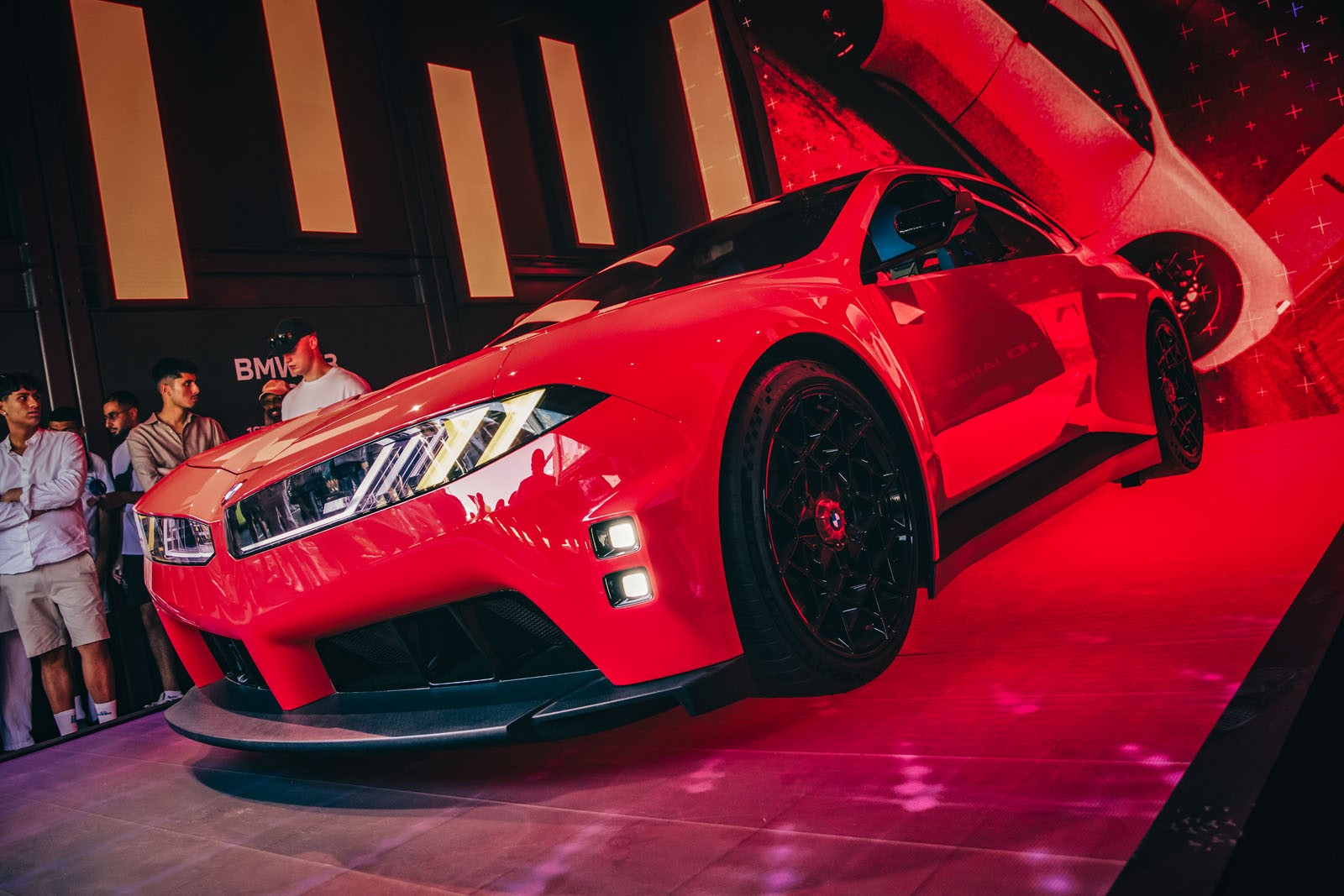
BMW is staging a coup against its own legacy. The new electric M3 is essentially the petrol M3’s “natural enemy,” according to Frank van Meel, head of the M division. The goal isn’t just to sell EVs. It is to lure M3 buyers away from the combustion engine model using superior driving dynamics.
This internal competition is aggressive.
The Battle of Powertrains
The electric M3 arrives in the wake of the M Concept Neue Klasse unveil last month. That concept previewed a total transformation for the upcoming i3 electric saloon. The design is muscular. It draws heavily on M’s sporting heritage. But it will not replace its gasoline counterpart entirely.
A new petrol M3 is still coming. Spy shots recently caught the combustion version testing for the first time. Its turbocharged 3.0-liter inline-six remains a beast. BMW updated it to meet strict Euro 7 emissions standards. Crucially, there was no power loss. The output stays at 503 horsepower.
Now, BMW is fighting itself.
“We are attacking our best-selling product,” van Meel told Autocar at the Goodwood Festival ofSpeed. The EV version targets the segment leader. It’s an internal war. The division is pushing both powertrains to see which delivers better results. It is a contest of engineering and driver preference.
Why Four Motors Change the Game
The engineering brief for the electric M3 is specific. It uses four electric motors. This setup does more than chase headline horsepower numbers. The unusual arrangement is designed to improve poise and agility. The focus is on driver engagement, not just raw speed.
“It’s not about having even more power”, van Meel emphasized. Power to the road is hard to utilize anyway. You need sufficient torque at every corner. The four motors provide this. However, they will never all fire simultaneously.
“It’s like a kickboxer. You kick with one leg. You have strong arms and legs, but you don’t use both at the same time.”
Consider the BMW Vision Driving Experience prototype. It previewed the tech behind future M cars. It featured four-figure power output. Does a driver need 1,000 horsepower on the public road? No. Van Meel argues the answer is clearly no.
The real benefit comes from control. The “Heart of Joy” computer manages the four motors. This central brain unlocks dynamic advantages that simple horsepower charts miss. It balances the car’s behavior in real-time.
How the EV M3 Delivers Better Dynamics
The question isn’t about which engine is faster in a straight line. It is about which offers a better experience through corners. The petrol M3 has a legendary straight-six engine. It offers mechanical feedback and sound. But the EV M3 offers instant torque vectoring.
By using four independent motors, BMW can adjust torque distribution faster than any mechanical differential. This creates a platform that is inherently stable yet razor-sharp in its response. The Heart of Joy system acts as the referee, deciding how much power goes to each wheel.
You won’t feel all that power. You won’t need to. You’ll feel the precision. The kickboxer analogy holds up. You don’t need both fists out to land a knockout blow. You need accuracy. You need balance.
The electric M3 doesn’t try to out-power the petrol M3. It tries to out-drive it. And in the hands of an enthusiast, that distinction might just sell the car.